What Moral and Ethical Concerns Guide Anthropologists in Their Research and Writing?
Anthropologists often face moral and ethical dilemmas while conducting fieldwork. These dilemmas require us to make choices that may affect the quality of our research and the people we study. Indeed, the moral and ethical implications of anthropological research and writing are of deep concern within the discipline and have been particularly hot topics at various times in its history. As a result, the American Anthropological Association (AAA) has developed an extensive set of ethical guidelines, which you can view at www.aaanet.org.
DO NO HARM
At the core of our ethics code is the mandate to do no harm. Even though as anthropologists we seek to contribute to general human knowledge, and perhaps shed light on a specific cultural, economic, or political problem, we must not do so at the expense of the people we study. In fact, this issue spurred the creation of the AAA’s code of ethics. The organization’s website presents a great variety of advice about the anthropologist’s responsibility to the people being studied.
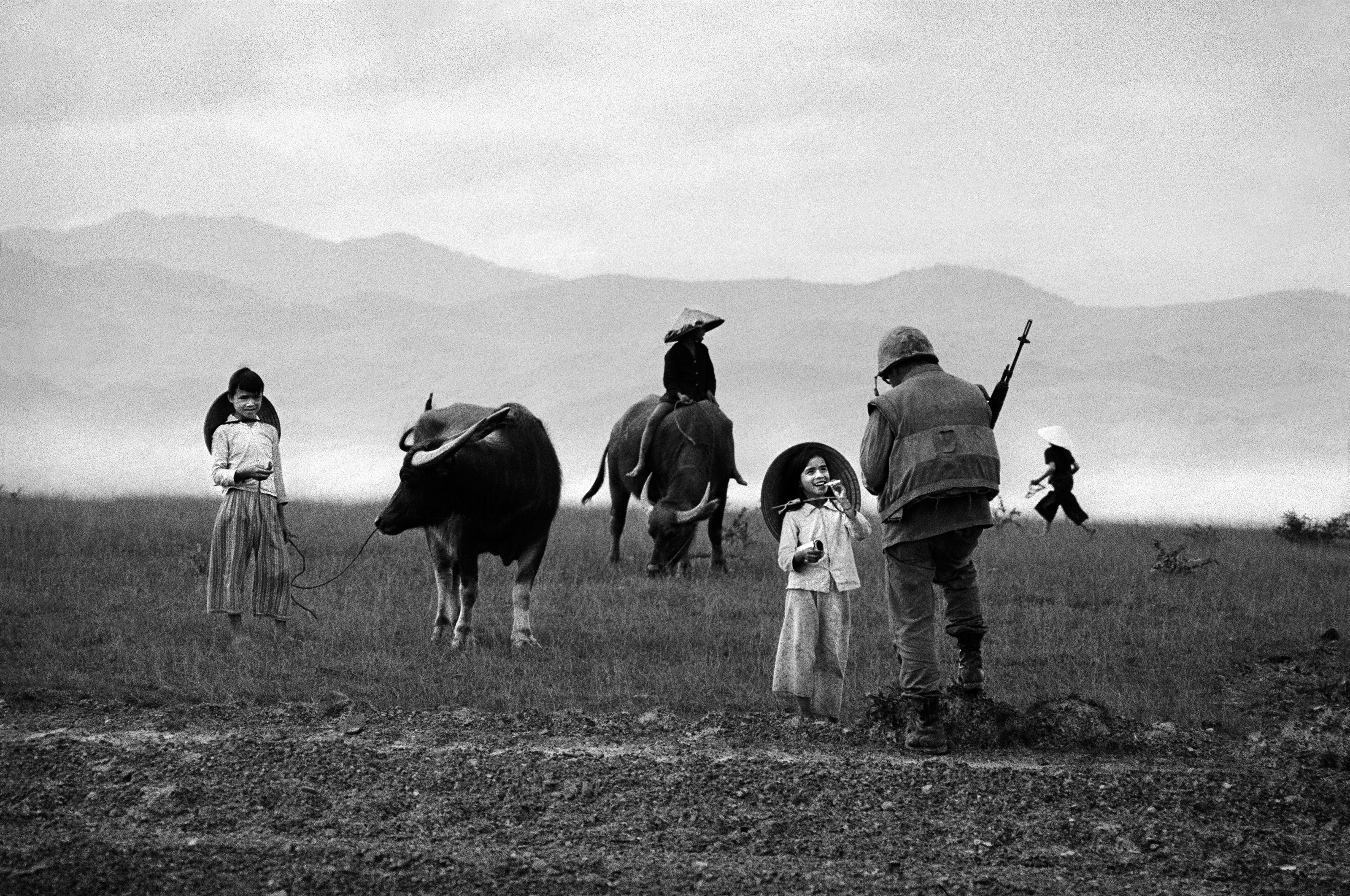
Several key examples in the history of anthropology demonstrate the importance of the “Do no harm” mandate. After World War II, anthropology as a discipline was criticized for intentionally and unintentionally aiding the European colonial encounter, assisting colonial administrators and military agents by providing detailed descriptions and analysis of local populations, many of which were actively engaged in struggles against colonial rule. Anthropology was criticized for helping to create an image of colonial subjects as unable to govern themselves and in need of Western guidance and rule (Asad 1973). During the Vietnam War in the 1960s, some anthropologists were criticized for collaborating with the U.S. military occupation and counterinsurgency efforts. In the 1970s, the AAA experienced internal political turmoil as it addressed accusations of covert research conducted in Southeast Asia by anthropologists (Petersen 2015; Price 2004; Wakin 1992; Wolf and Jorgensen 1970).
More information
More information
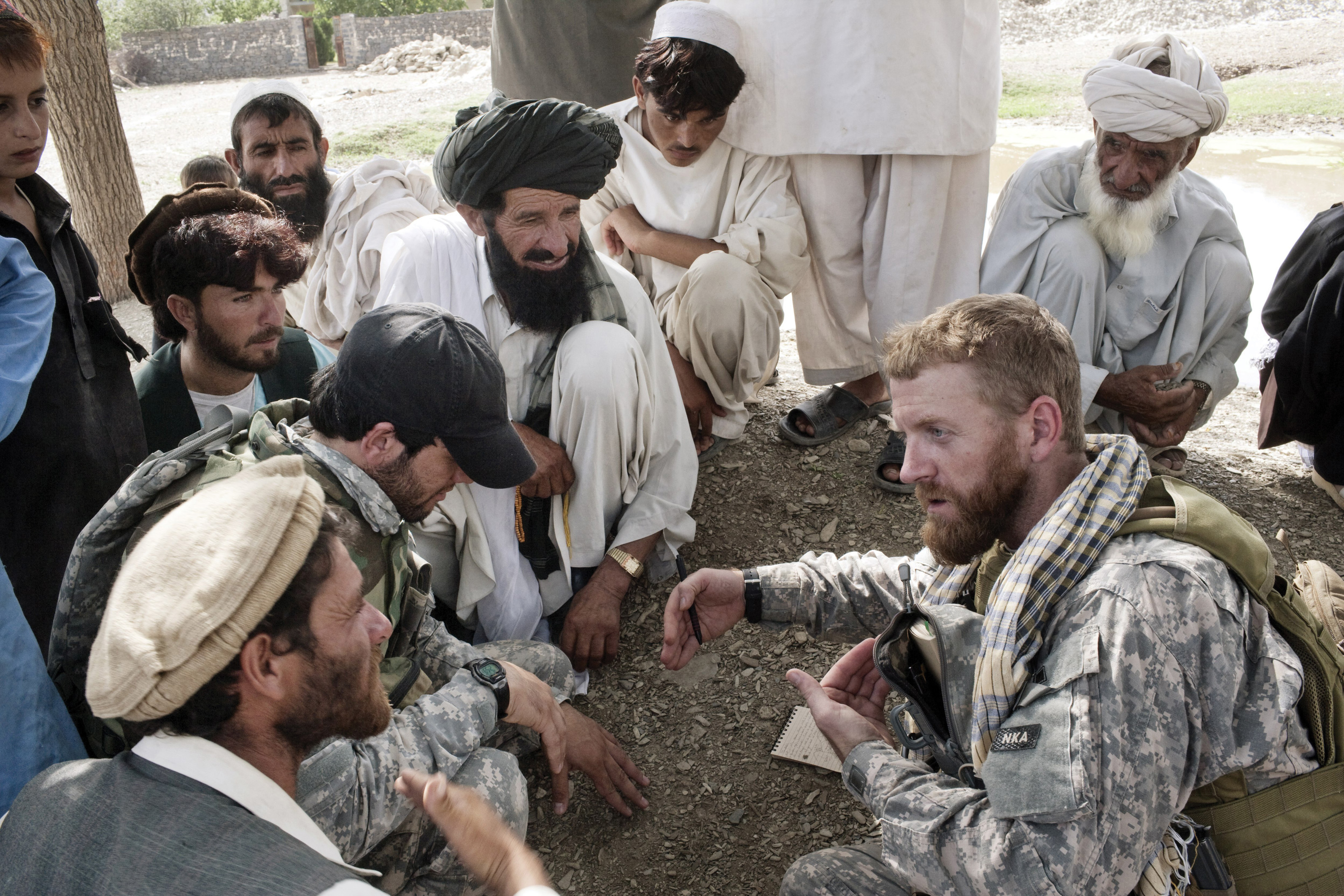
The relationship of anthropology to colonialism and war has been complicated. During the Vietnam War, for instance, some anthropologists were criticized for collaborating with the U.S. military occupation and counterinsurgency efforts. (left) An American soldier in rural Vietnam, 1967. Recently, the controversy continued as the U.S. military’s Human Terrain Systems program (2007–2014) recruited anthropologists (right) to help troops understand local culture and make better decisions in the field.
More recently, the ethical practices of two American researchers, anthropologist Napolean Chagnon and geneticist/physician James Neel, who worked among Brazil’s indigenous Yanomami people (Chagnon 1968) in the 1960s and following, have come under question. In his book Darkness in El Dorado (2000), journalist Patrick Tierney claimed, among other things, that Chagnon and Neel compromised their subjects’ health to see how unprotected indigenous populations would respond to the introduction of infectious disease. Later investigations did not support Tierney’s most serious charges, and the original findings of the AAA against Chagnon and Neel were rescinded. The controversy, however, stimulated a significant debate within anthropology about the code of ethics expected of all members.
Recently the U.S. military has actively recruited anthropologists for service as cross-cultural experts in Iraq and Afghanistan, renewing impassioned debates within the discipline about the proper role of anthropologists in military and covert operations. Through the Human Terrain Systems program, between 2007 and 2014 the U.S. military recruited, trained, and deployed anthropologists to be embedded with combat units and to advise military commanders on building local community relationships. Though this program has ended, a similarly controversial project, the Minerva Initiative of the U.S. Department of Defense that funds social science research of benefit to U.S. military planning and operations, has raised concerns among anthropologists (Gusterson 2008). The role of anthropologists in military-sponsored “nation building” projects has been supported by some (McFate 2005) but criticized by many others, who have warned of the “weaponizing of anthropology”—turning anthropological research strategies and knowledge into a tool of war (Price 2011).
OBTAIN INFORMED CONSENT
One of the key principles for protecting research subjects involves obtaining informed consent. It is imperative that those whom we study agree to participate in the project. To do so, they must understand clearly what the project involves and the fact that they have the right to refuse to participate. After all, anthropological research is not undercover investigation using covert means and deception. The anthropologist’s hallmark research strategy is participant observation, which requires establishing rapport—that is, building relationships of trust over time. To develop rapport, the subjects of our studies must be clearly informed about the goals and scope of our projects and must willingly consent to being a part of them.
U.S. federal regulations protect human subjects involved in any research, and proposals to conduct research on humans, including anthropological research, must be reviewed by the sponsoring organization. Such regulations were originally designed to cover medical research, but anthropologists—whether students or professionals—now participate in these institutional reviews before conducting research.
ENSURE ANONYMITY
Anthropologists take precautions to ensure the privacy and safety of the people they study by providing anonymity in research notes and in publications. We frequently change the names and disguise the identities of individuals or, at times, whole communities. For example, Nancy Scheper-Hughes disguises the identities of people and places in Brazil to protect the community and individuals she worked with (for example, “the market town that I call Bom Jesus da Mata”). Anonymity provides protection for the people in our studies who may be quite vulnerable and whose lives we describe in intimate detail. This consideration becomes particularly important and sometimes controversial in situations in which research involves illegal activities—for instance, Claire Sterk’s ethnography about prostitution (2000) or Philippe Bourgois’s work with drug dealers in New York City (2003).
Glossary
- informed consent
- Protecting the identities of the people involved in a study by changing or omitting their names or other identifying characteristics.
- anonymity
- A key strategy for protecting those being studied by ensuring that they are fully informed of the goals of the project and have clearly indicated their consent to participate.