Do Biologically Separate Races Exist?
Many of us were enculturated to believe that “race” refers to distinct physical characteristics that mark individuals as clearly belonging in one group and not in another. However, anthropologists see race very differently. Contemporary studies of human genetics reveal no biologically distinct human groups. We can state this with certainty despite centuries of scientific effort to prove the existence of distinct biological races, and despite widespread popular belief that different races exist. In fact, humans are almost identical, sharing more than 99.9 percent of our DNA. The small differences that do exist are not distributed in any way that would correspond with popular or scientific notions of separate races. Race is not fixed in nature but, as we will explore later in this chapter, is created, perpetuated, and changed by people through individual and collective action.
First, however, let’s explore some of the science behind race.
FUZZY BOUNDARIES IN A WELL-INTEGRATED GENE POOL
Some physical anthropologists have compared modern humans to a little village that has grown very quickly. Throughout the short 200,000-year history of modern humans, we have basically been functioning as one enormous, interconnected gene pool, swapping genetic material back and forth (by interbreeding) quite freely within the village. Over the years, our family trees have intersected again and again.



More information

More information
More information
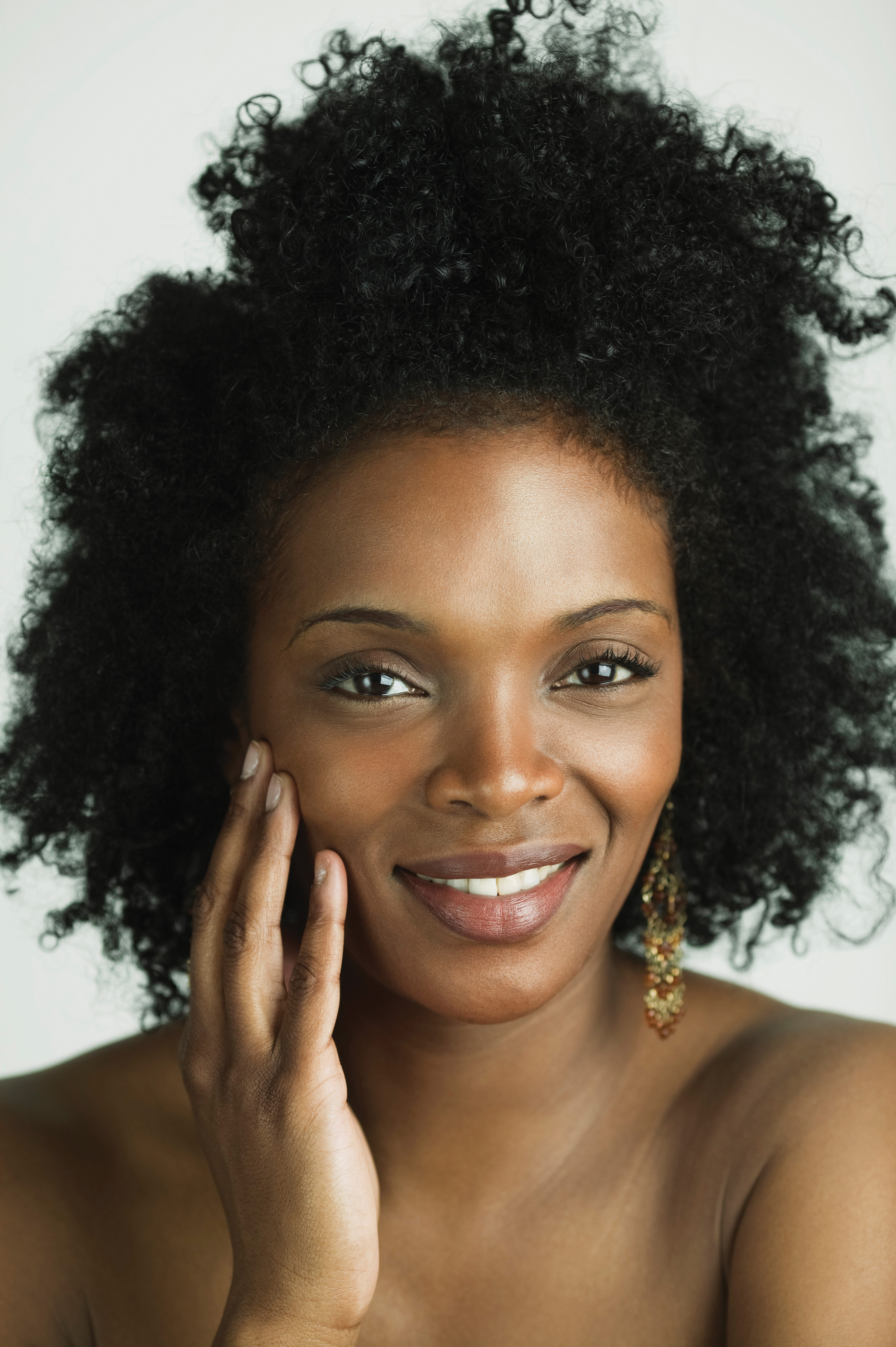
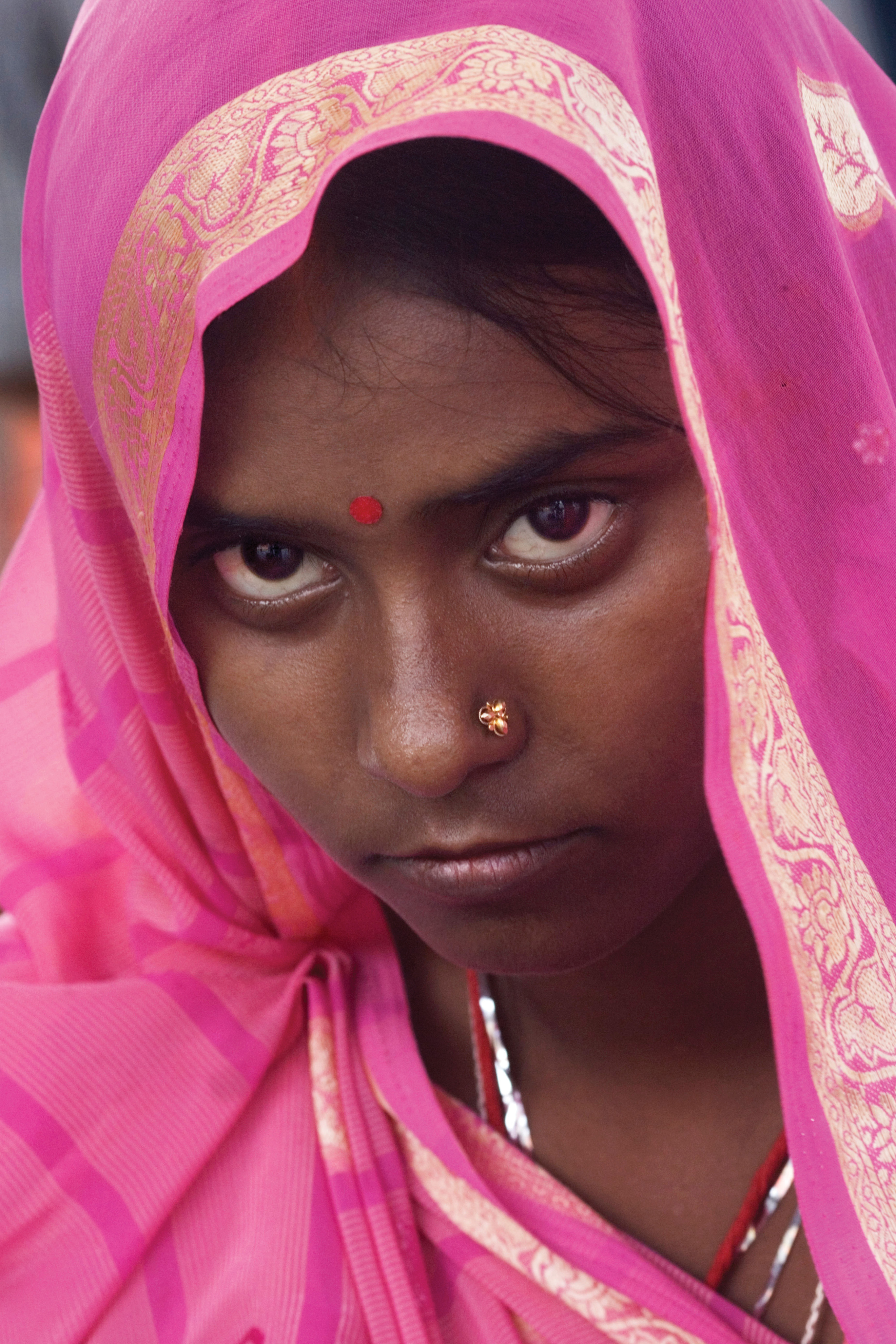
What can you know about a person’s genetic makeup based on her (or his) outward appearance? Variations of skin color or other visible characteristics often associated with race are shaped by less than 0.1 percent of our genetic code. Contrary to certain stereotypes, they do not predict anything else about a person’s genetic makeup, physical or mental capabilities, culture, or personality.
If you trace your own family back for thirty generations—parents to grandparents to great-grandparents, and so on—you will find that in less than a thousand years you have accumulated one billion relatives. So it is not hard to imagine the myriad and unpredictable exchanges of genetic material among that large a group. Now extend your family tree back 100,000 years—the time it has taken for a few small groups of humans to migrate out of Africa and populate the entire planet. It is easy to imagine the billions of times this growing population has exchanged genetic material. Such deep integration of the human gene pool means that no clear and absolute genetic lines can be drawn to separate people into distinct, biologically discrete, “racial” populations.
As a result of this gene flow, human variation changes gradually over geographic space in a continuum (what biological anthropologists refer to as a cline), not by abrupt shifts or clearly marked groups. Even skin color, perhaps most frequently imagined to demarcate separate races, in fact varies so gradually over geographic space that there are no clear boundaries between one population and another, nor color groupings that distinguish one population from another. If you flew from western Africa to Russia, you would notice distinct variations in physical human form between the population where you boarded the plane and the population where you disembarked. But if you walked from western Africa to Russia, there would never be a point along the way where you would be able to stop and say that the people on one side of the road are of one race and the people on the other side are of a different race.
Perhaps more surprising, a person from western Africa who starts walking east may have more in common genetically with someone at the end of her trek in Russia than she does with a neighbor at home. This seems hard to imagine because we have been enculturated to believe that a very small number of traits—including skin color, hair texture, and eye color and shape—can serve to categorize people into distinct groups and predict larger genetic patterns. This is a flawed assumption. The human gene pool continues to be highly integrated. Genetic variations such as skin color, expressed in an individual’s external appearance, are only 0.1 percent of that person’s genetic code; they do not predict anything else about his or her genetic makeup. People in a particular region of the world whose ancestors inhabited that area for an extended period may have some increased probability of genetic similarity because of the greater probability of swapping genetic material with those geographically closer. But group boundaries are fuzzy and porous. People move and genes flow. Ultimately, group genetic probabilities cannot predict any one individual’s genetic makeup.
THE WILD GOOSE CHASE: LINKING PHENOTYPE TO GENOTYPE
In considering human physical diversity, biological anthropologists distinguish between genotype and phenotype. Genotype refers to the inherited genetic factors that provide a framework for an organism’s physical form; these factors constitute the total genetic endowment that the organism, in turn, can pass down to its descendants. In contrast, phenotype refers to the way genes are expressed in an organism’s physical form (both visible and invisible) as a result of the interaction of its genotype with environmental factors, such as nutrition, disease, and stress.
The widespread belief that certain phenotypes, such as skin color, are linked to physical and mental capabilities, personality types, or cultural patterns is incorrect but deeply ingrained and difficult to reimagine.
As individuals, we may make snap judgments based on phenotypical traits that we erroneously assume indicate a person’s “race”; with a quick glance we may think we know something significant about that individual. On the basis of phenotype alone, we may consider someone to be smarter, faster, stronger, safe or dangerous, better at business, better at math, a better dancer or singer, more prone to alcoholism, more artistic, more susceptible to certain diseases, a better lover. You might call this the “White Men Can’t Jump” or “Asians Are Better at Math” way of thinking about race and genes. But can we really tell anything about someone from the way he or she looks?
A relatively small number of genes control the traits frequently used today to distinguish one “race” from another—skin color, eye shape, or hair texture. As a result, in the short history of modern humans these genes have been able to change rapidly in response to the environment. For example, as humans moved out of Africa and across the globe into a wide variety of physical environments, traits such as skin color, shaped by a relatively small cluster of genes, were more susceptible to environmental pressures and adapted more quickly. In contrast, traits such as intelligence, athletic or artistic ability, and social skills appear to be shaped by complex combinations of thousands or tens of thousands of genes, so they have been much less susceptible to environmental pressures. Adaptations in skin color were not accompanied by adaptations in, say, intelligence, musical ability, or physical ability. It is important to note that genetic research consistently shows that the genes that influence skin color, eye shape, or hair texture are not linked to any other genes and cannot predict anything about the rest of a person’s underlying genotype (Mukhopadhyay, Henze, and Moses 2007).
Jonathan Marks, a leading biological anthropologist, compares the problem of sorting people into races with the problem children might have of sorting blocks into categories. Imagine that you start with a pile of blocks and ask a group of children to sort them into “large” and “small.” They might agree on some—the largest and the smallest. But others in between might be harder to classify. “The fact that the blocks can be sorted into the categories given, however, does not imply that there are two kinds of blocks in the universe, large and small—and that the child has uncovered a transcendent pattern in the sizing of the blocks. It simply means that if categories are given, they can be imposed upon the blocks” (Marks 1995, 159).
What if you asked the children to sort instead by color or to distinguish among wooden, metal, and plastic blocks? What about blocks with smooth sides or grooved sides? The children could sort the blocks into any of these categories. But if you didn’t link the multiple characteristics of the blocks—all the wooden red blocks, or all the grooved plastic blocks—the children would end up with a completely different arrangement of blocks depending on whatever categories they arbitrarily decided to sort for.
The same is true for humans and the concept of race. If you give people a limited range of categories for skin color groups, they will be able to place many people into these categories. Some individuals who lie in the boundaries may be more difficult to categorize. But would this exercise uncover some deep, intrinsic pattern about humans? No, because traits like skin color are not linked to any other particular set of genes and cannot serve to predict anything else about the underlying genotype.