How Is Race Constructed in the United States?
Race is perhaps the most significant means used to mark difference in U.S. culture. References to it can be found on census forms, school applications, and birth certificates, as well as in the media and casual conversation. Race is also a key framework that shapes the allocation of power, privilege, rewards, and status, and it infuses all of our political, economic, religious, recreational, educational, and cultural institutions (Smedley 1993). Yet it is one of the least discussed topics in U.S. culture and one of most difficult to explore, even in anthropology. How do we begin to engage this difficult dialogue?
RACE AND THE U.S. CENSUS
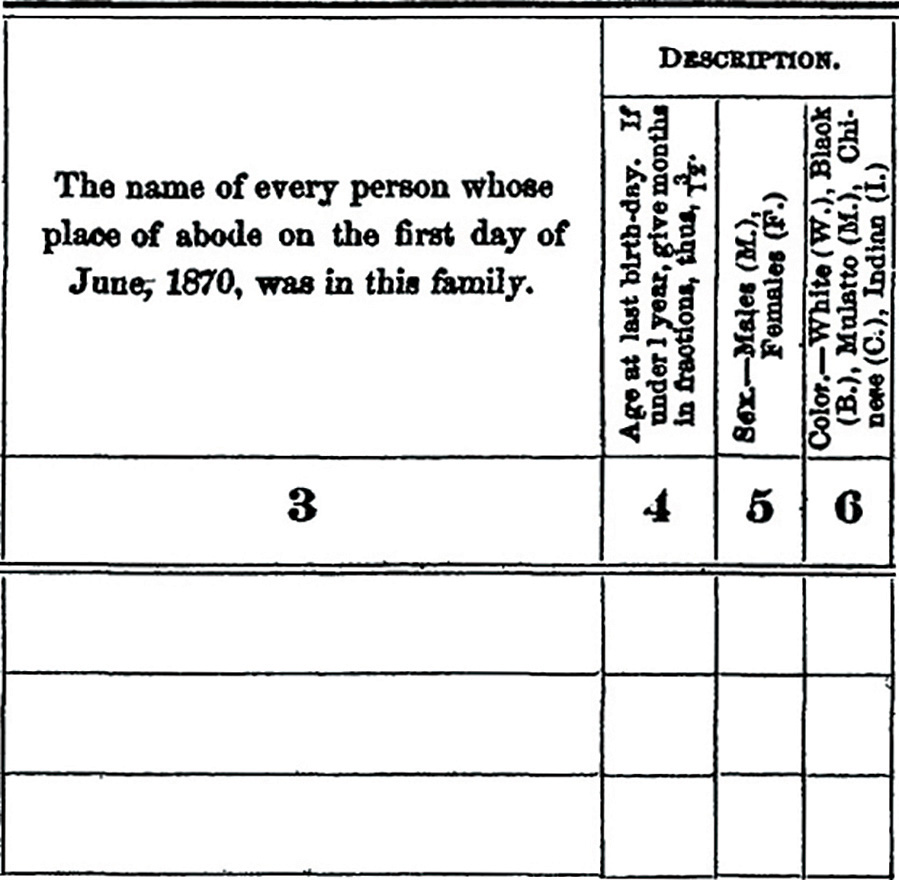
The U.S. Census, taken every ten years since 1790, provides a fascinating window into the changing conception of “race.” The 1850 census had three categories: White, Black, and Mulatto. Mulatto referred to people of mixed race. The 1870 census expanded to five categories to incorporate new immigrants from China and to count the Native American population: White, Black, Mulatto, Chinese, and Indian (Native American). Respondents did not identify their own race; instead, census workers assigned them to a racial category based on their appearance.
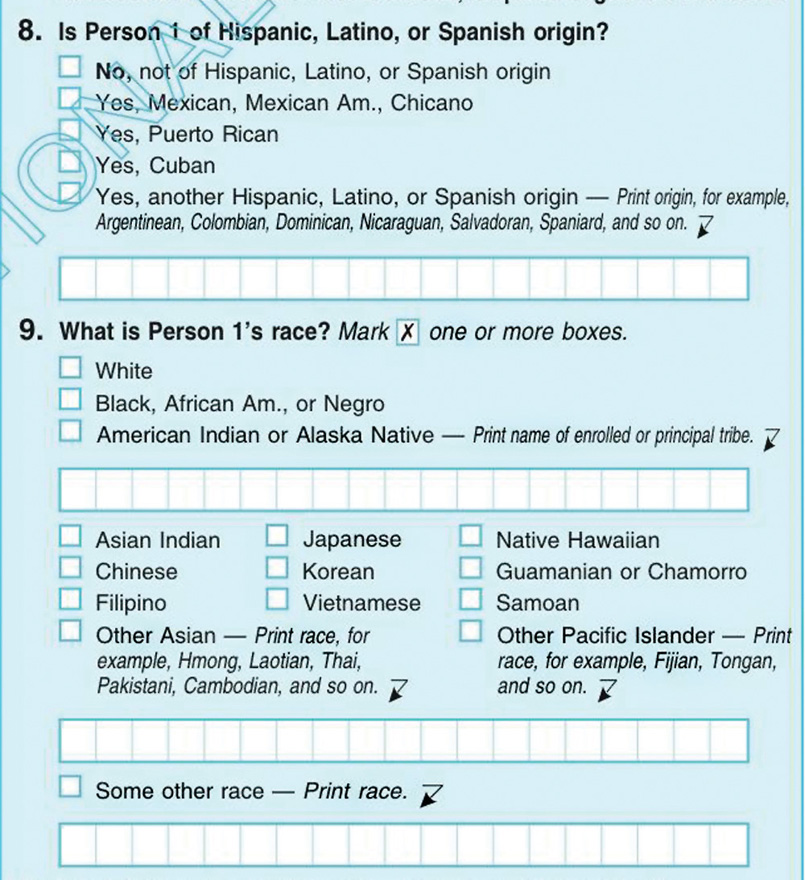
By 1940, the census form had eight categories, eliminating the option for mixed race and adding more categories from Asia, including Hindu, a religion: White, Negro, Indian, Chinese, Japanese, Filipino, Hindu, and Korean. The 2010 census form included fourteen separate “race” boxes. Respondents could check one, many, or all of them.
This brief look at changes in the census form provides clear indications that race has been and still is an evolving human construction. The changing race categories do not reflect a change in human genotype or phenotype, but in how the government organizes the diversity of people within its borders. The census construction of race reflects the U.S. government’s power to establish certain categories and apply those categories to make decisions about government resources.
More information
More information
What can changes in the U.S. census form tell us about the shifting concepts of race? Here, compare parts of the United States Census Questionnaire, 1870, and the United States Census Questionnaire, 2010.
Borderlands where racial categories are under debate provide a glimpse of the nation’s changing racial past and future. For instance, increased immigration from Latin America, Asia, the Pacific Islands, and the Middle East has complicated the census form and discussions about race in the United States. Note the rapid expansion of options in the census for people from Asia.
The position of Hispanics is also in flux. Beginning with the 2000 census, for instance, “Hispanic” was removed from the race question. In effect, Spanish/Hispanic/Latino became a unique ethnic group with its own separate question. Unlike others—for example, Irish, Welsh, Italians, or Greeks—the census form now suggests that Hispanics are the only U.S. ethnic group that could be of any race. It remains to be determined whether U.S. culture will move beyond the underlying black/white dichotomy, or whether the current flux is simply a reorganizing of new immigrants into that dichotomy (Rodriguez 2000).
HISTORY OF U.S. RACIAL CATEGORIES: CONSTRUCTING WHITENESS
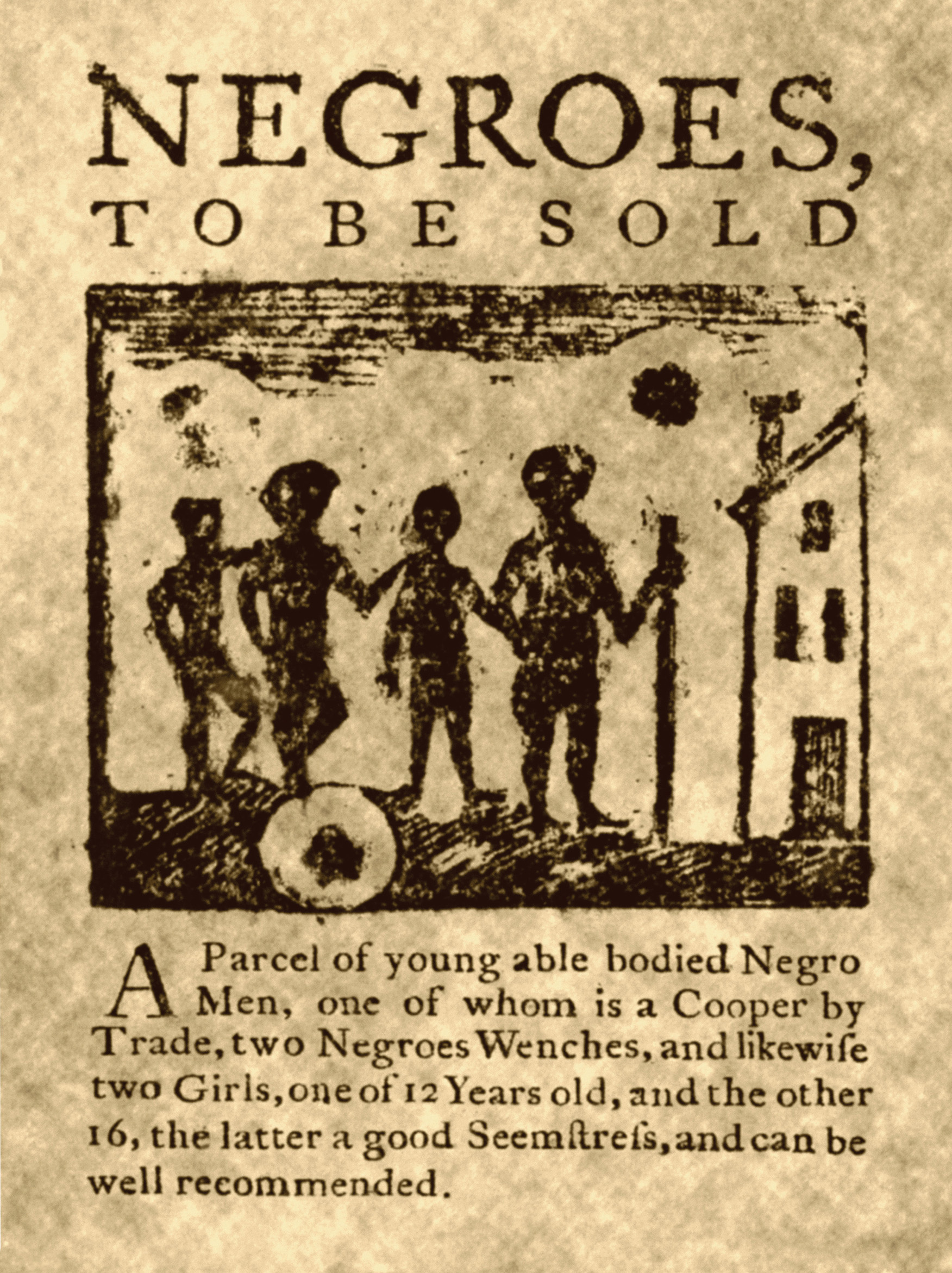
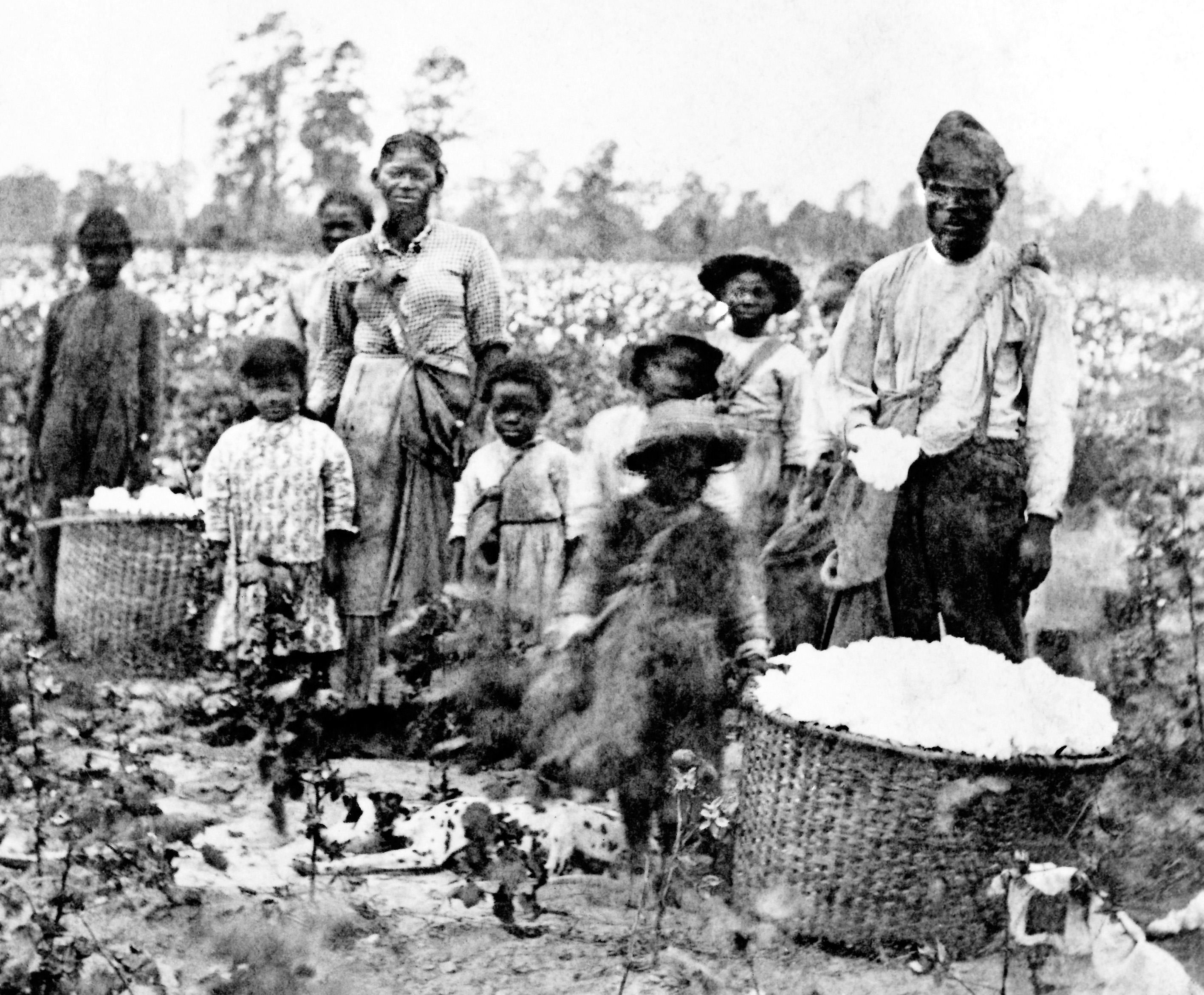
The U.S. racial system developed at the intersection of slavery and the European conquest of indigenous people of the North American continent. From its origins, American colonial life was built on the importation of indentured workers from Europe and enslaved people from Africa, along with the expropriation of land from Native Americans. Intensive agricultural work, particularly in the U.S. South, required a reliable and plentiful labor supply. Native Americans suffered quick and brutal extermination in other parts of the Americas through forced labor, violence, and disease, but they largely resisted forced labor in the North American colonies. European indentured laborers were in short supply. So imported enslaved Africans became the preferred workforce. Over 300 years, millions were forcibly transported to the Americas through the transatlantic slave trade.
The unique slave system that emerged relied not only on the legal right of landholders to enslave but also on the widespread acceptance of white supremacy—the belief that nonwhites were biologically different, intellectually inferior, and not fully human in a spiritual sense. Reflecting these ideas, the U.S. Census from 1790 to 1860 counted slaves as only three-fifths of a person. Only in 1868 did the Fourteenth Amendment to the U.S. Constitution put an end to this practice. Subsequently, the 1870 census was the first to count all people as whole people.
More information
More information
(left) An advertisement for a slave auction, June 23, 1768. (right) A slave family picking cotton in the fields near Savannah, Georgia, ca. 1860s.
The term white was itself a construction, first appearing in a public document in reference to a separate race only in 1691 in Virginia. Colonial laws created and rigidly regulated whiteness, establishing sharp boundaries of who was white and who was not. Intermarriage was outlawed—a practice that the U.S. Supreme Court did not overturn until 1967. Mixing was punished by the loss of white status.
Anthropologist Pem Buck’s Worked to the Bone (2001) documents the ways in which white privilege was invented in early 1700s Virginia to prevent rebellion among poor landless whites who were beginning to join with enslaved African workers against the European economic elite. Elites introduced a set of privileges reserved for whites—the right to own a gun, livestock, and land; the right to obtain freedom at the end of indenture; the right to discipline blacks; and eventually the right to vote. These legal privileges were designed to ensure the cooperation of poor working whites and white indentured servants, who together constituted a majority of the early colonial populations, and to drive a wedge between the European and African laborers who had much in common.
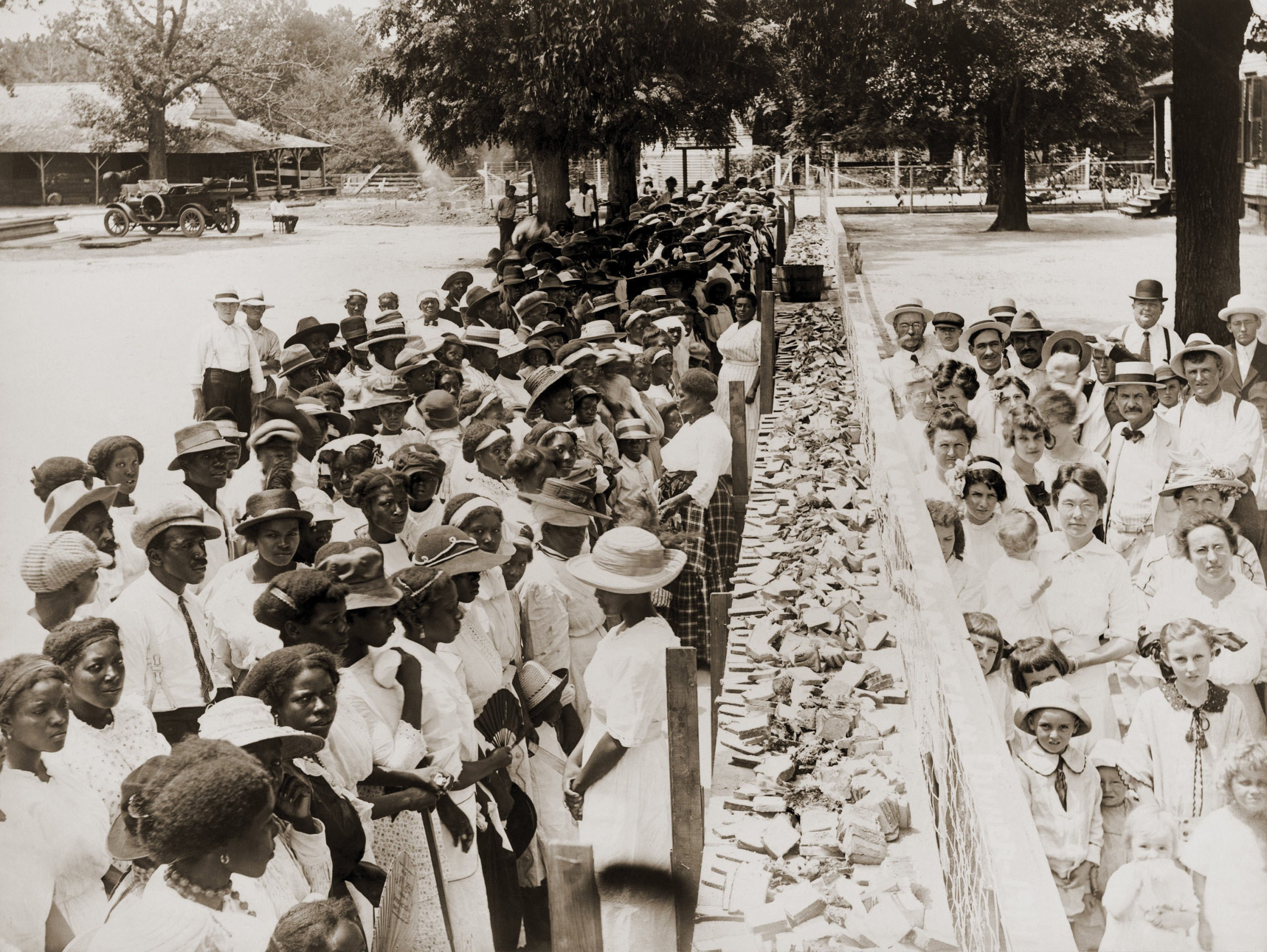
Efforts to eliminate slavery spread rapidly but unevenly after the American Revolution (1775–83), culminating in the Civil War (1861–65) and President Abraham Lincoln’s 1863 Emancipation Proclamation. Yet long-established patterns of unequal treatment and entrenched ideas of white racial superiority persisted, providing the foundation for continuing inequality, discrimination, and white dominance. Jim Crow segregation laws throughout the South legally enforced the boundaries between whites and blacks in housing, education, voting rights, property ownership, and access to public services such as transportation, bathrooms, and water fountains. Vigilante white-supremacist groups such as the Ku Klux Klan, founded in 1866, emerged to enforce through violence and terror what they considered to be the natural racial order. Especially in the South, lynchings became a widespread means to intimidate blacks, enforce segregation, and ensure behavior that whites considered normal and appropriate. Between 1870 and the 1940s, untold thousands of African American men and women were tortured and brutally murdered (Brundage 1993).
More information
A segregated summer social event—an annual barbecue—on an Alabama plantation, ca. 1935.
THE RULE OF HYPODESCENT
Imposition of the rule of hypodescent has been key to drawing and maintaining boundaries between the races since the days of slavery, when one single drop of “black blood”—that is, one African ancestor—constituted blackness. Hypo literally means “lower.” Through hypodescent the race of children of mixed marriages is assigned to the lower or subordinate category of the two parents—or, in many cases, the subordinate category of any one of many ancestors.
Hypodescent rules were enshrined in the laws of many U.S. states and backed by the U.S. Supreme Court. Consider the 1982 court case of Susie Phipps. Born looking “white,” Phipps grew up assuming she was white. But when she requested a copy of her birth certificate in 1977, she found herself listed as “colored.” A 1970 Louisiana law mandated that a person be designated black if his or her ancestry was even one-thirty-second black—referring to any one of the thirty-two most recent ancestors. Phipps lost a court challenge to this categorization because the state produced evidence that she was three-thirty-seconds black—more than enough to satisfy the 1970 legal standard. Both the Louisiana Supreme Court and the U.S. Supreme Court refused to review the lower court’s ruling and allowed the decision to stand (Fluehr-Lobban 2019; Jaynes 1982). Phipps’s case reveals the process through which U.S. categories of race have been created and the tortured legal logic employed to assign individuals to particular racial categories. Also on full display are (1) the central role of the state in establishing and maintaining boundaries between the races it has constructed, and (2) the powerful influence of the legacies of slavery and past discrimination on the present (Omi and Winant 1994).
Although hypodescent is no longer enforced in law, it is still widely practiced in U.S. culture. A prominent contemporary example would be U.S. president Barack Obama. His mother was a white woman from Kansas (she was also an anthropologist). His father was a black man from Kenya in East Africa. They met as students in Hawaii, where Obama was born. Though 50 percent of his genes came from his father and 50 percent from his mother, the concept of hypodescent still shapes the way some people regard Obama’s race.
RACE AND IMMIGRATION
For four centuries, the boundaries of whiteness in the United States have been carefully guarded, and a group’s admission to that category has been rare and difficult. When the nation encountered diverse immigration from Asia and eastern and southern Europe beginning in the nineteenth century, debate raged about where the newcomers fit: Were the Chinese white? Were the Irish, Germans, Greeks, Italians, eastern Europeans, Jews, and Catholics really white, or were they biologically distinct from earlier immigrants from England, France, and the Nordic countries? Where would people from Mexico, Central America, and South America be placed in the U.S. racial framework?
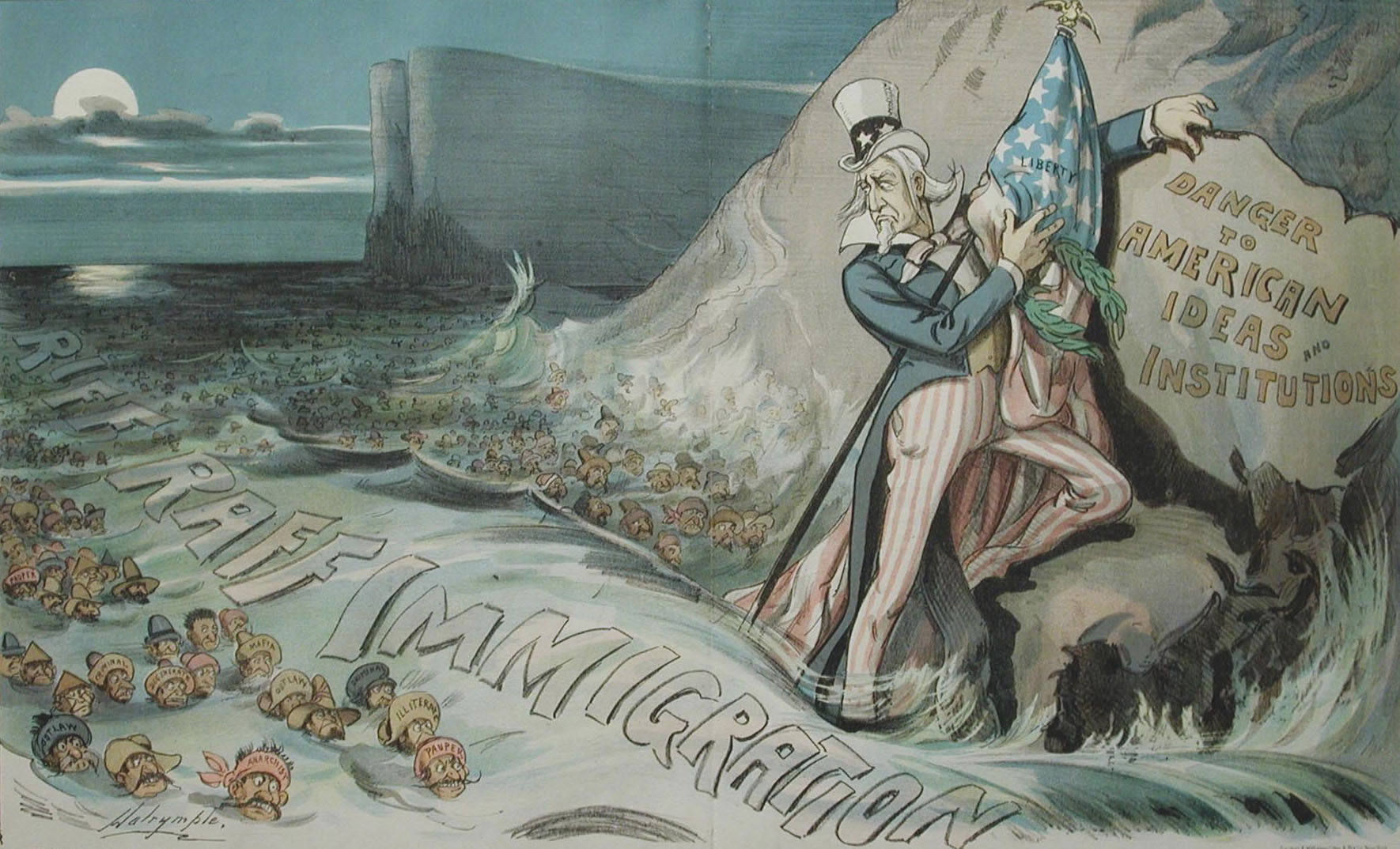
The struggle to guard the boundaries of whiteness in order to protect the power and privileges reserved for whites has been particularly intense at certain times, generating passionate debate and sparking a sentiment of nativism—that is, the desire to favor native inhabitants over new immigrants. Nativists in the nineteenth century fought particularly hard to preserve the so-called racial purity of the nation’s Anglo-Saxon origins. Riots, violence, discrimination, and anti-immigrant sentiment were commonplace.
More information
A 1903 cartoon from the magazine Judge illustrates anti-immigrant sentiment at the turn of the twentieth century. A tide of newcomers—Riff Raff Immigration—representing the criminal element of other countries washes up on American shores, to the displeasure of Uncle Sam, presenting a “danger” to American ideas and institutions.
Chinese, Irish, and Other Immigrants: What Race? Chinese immigrants first arrived in large numbers in the 1850s to work in California’s gold mines, on its farms, and in railroad construction. Because they constituted the first group of Asians to come to this country, other residents struggled to place them in the U.S. racial hierarchy. European immigrant laborers saw the Chinese as competitors for jobs and branded them the “Yellow Peril”—a “race” that could not be trusted. Federal and state governments treated the Chinese immigrants ambivalently at best and often with great hostility.
Today, most people consider Irish, Italians, Greeks, and eastern Europeans to be white, but none of these groups were received as white when they first came to the United States. They initially faced discrimination, prejudice, and exclusion because they were not Anglo-Saxon Protestants. When the Irish immigrants arrived in the 1840s and 1850s, they were poor, rural, Catholic, landless, and fleeing intense poverty and disease as a result of the Irish potato famine. Thus, they were seen as an inferior race (Ignatiev 1995).
Confronted with increasing immigration and diversity in the nineteenth and early twentieth centuries, the U.S. legal and political systems struggled for consistent definitions of who was white and who was not. Consider the 1923 U.S. Supreme Court case in which Bhagat Singh Thind, an upper-class Sikh immigrant from India, applied for U.S. citizenship. Despite the 1790 U.S. law limiting the right to naturalization (that is, becoming a citizen) to whites, Thind argued that as a part of the original “Aryan” or Caucasian race, he was white. Even though the justices agreed with his claim of Aryan or Caucasian ancestry, the Court found that Thind was not white as used in “common speech, to be interpreted in accordance with the understanding of the common man” (Lopez 2006, 66). Popular anti-immigrant and nativist sentiment had overcome even the pseudoscience of race prevalent at the time.
How exactly did the Irish, the Italians, and the eastern European Jews become “white”? Their increasing numbers, their intermarriage with members of other white groups, and their upward class mobility created conditions for inclusion in the white category. Karen Brodkin’s book How the Jews Became White Folks (1998) offers additional insights into the whitening process of immigrants after World War II. At that time, the U.S. economy was emerging virtually unscathed from the war’s destruction, unlike its competitors in Europe and Japan. And rapid growth in the U.S. economy was supporting an unparalleled expansion of the nation’s middle class. Brodkin suggests that an extensive government program to reintegrate soldiers after the war paved the road to upward mobility for many U.S. citizens.
Indeed, the GI Bill of Rights provided a wide array of programs to 16 million soldiers, who were primarily white and male. The benefits included preferential hiring, financial support during the job search, small-business loans, subsidized home mortgages, and educational benefits that included college tuition and living expenses. Newly trained and educated veterans quickly filled the needs of the growing U.S. economy for professionals, technicians, and managers—jobs that offered opportunities for upward mobility and, thus, racial mobility. These educational opportunities, the dramatic rise in home ownership, and the expansion of new corporate jobs dramatically enlarged the U.S. middle class. The simultaneous elevation of living standards and financial assets of both native whites and new European immigrants softened earlier boundaries of whiteness and allowed the status of many immigrants to shift from racially nonwhite to ethnic white.
Middle Easterners. Racial categories continue to be created and contested in the United States today. Where, for example, do people from the Middle East fit? Are Saudis, Iranians, Afghanis, Kurds, Syrians, Turks, and Egyptians “white,” African American, or Asian? The shifting characterization of people from the Middle East—especially after the terrorist attacks of September 11, 2001, and the ensuing “war on terror”—reveals newly contested terrain in the race debate and demonstrates how conceptions of race in the United States are constantly changing.
In a study of fourth graders in Brooklyn, New York, after the September 11 attacks, Maria Kromidas (2004) explores the way nine-year-old children engage issues of race, religion, and region to create racial categories, assign certain people (both children and adults) to them, and enforce those boundaries through language, humor, and social interaction.
Using the common U.S. Census categories, the school that Kromidas studied could be described as 28 percent black, 1 percent white, 46 percent Hispanic, and 25 percent Asian. But these four categories do not reveal the diversity of the school and its neighborhood—a diversity that makes the students’ formulations of race all the more complicated. Although the students and the surrounding community are predominantly African American and second- and third-generation Latino, a significant part of the population is composed of new immigrants from Nigeria, Bangladesh, Guyana, Jamaica, and the Dominican Republic.
In light of the events of September 11, students in the elementary school seem preoccupied with the potential danger from a perceived enemy—one they see racially as “brown, foreign, strange, and Muslim” (Kromidas 2004, 29). Though the children do not consider their Muslim classmates to be “evil” or “terrorists,” they do take note of these classmates’ identities as never before. Kromidas (“MK” in the dialogues below) notes in particular the equation of enemies with Indians, Pakistanis, or Afghanis, and eventually all Arabic (“Araback”) people. Here we see a racial construction, a lumping together of unrelated people based on a general phenotype—in this case, skin color.
Consider the following small-group student discussions:
EXAMPLE 1
SHERI: We were talking about who started it first, and if they kill a lot of white people. . . . I mean a lot of people we got to go to war right then.
MK: Who are they?
SHERI: The Indians.
MK: The Indians?
SHERI: I don’t know—that’s what I call them.
JONATHAN: The Pakistans!
MK: The Pakistans?
SODIQ: The Afghanistans!
MK: The Afghanistans?
JOSEPH: The terrorists.
Later that afternoon:
EXAMPLE 2
SHERI: I feel sorry for the Afghanistan people.
SUSANNA: Why do you feel sorry after what they did?
SHERI: Because they gonna die!
(Most of the class breaks up with laughter.)
LATISHA: (standing up) I feel happy!
(laughter)
LATISHA: No, no, no . . . because they want to kill our people, they’re going to die too. They want to have a party when we die, so we should celebrate! [referring to news clips of street celebrations in the Middle East after September 11]
ANUPA: If they die, it will be better for us.
MK: Who are they?
ANUPA: The Araback people.
MARISELA: The Afghanistans have always hated the Americans. I know because I always watch the news. (Kromidas 2004, 18–19)
These conversations yield some interesting observations. First, the students have taken on images presented in the media and from the conversations of adults around them; second, the students manipulate those images to create patterns of exclusion in their own context. Through their conversations, language groups, social interactions, and friendship networks, the students seek to clarify boundaries and to include and exclude newcomers according to what they see as racial characteristics. In the racial maps of the United States, South-Asian Americans and Arab Americans do not have a clear place. Kromidas suggests that in the classroom, as in U.S. culture at large, the fourth graders of New York City are creating a new racial category and placing people in it. The category is generally defined as not white, not black, but brown: foreign, strange, Muslim, and possibly enemy.
Before September 11, “Middle Eastern” was not considered a separate race in the United States. Officially, the government’s Office of Management and Budget includes people of Middle Eastern descent as whites, along with people of European and North African descent. But the racialization (that is, giving a racial character) of Middle Easterners in U.S. culture after September 11 suggests a movement away from whiteness as reflected in Kromidas’s study of fourth graders in Brooklyn.
Advertising and the Construction of Asian-American Racial Identity. In Advertising Diversity: Ad Agencies and the Creation of Asian American Consumers (2015), anthropologist Shalini Shankar explores the subtle role advertising and media representation play in constructing and reproducing the racial category, Asian or Asian American, which refers to the 15 million people of Asian descent now living in the United States.
In 1965, new U.S. immigration laws dramatically diversified the pool of new arrivals to the United States, including significant numbers from Asia. Their rising economic prosperity soon drew attention from marketers. By the 1970s, small, niche advertising firms emerged to target these new Asian-American consumers. A new generation of ad executives, many of Asian descent, began to market themselves as experts uniquely positioned to aid clients in this emerging sector of multicultural advertising. They argued that their intuitive, embodied understanding of being Asian allowed them to successfully deploy Asian language, culture, symbols and group-specific imagery to successfully attract Asian American consumers, build brand allegiances and make money for their clients.
Over the ensuing decades ad execs have drawn on U.S. census data to bolster the case for targeting Asian American consumers. Increasing numbers of prosperous and upwardly mobile Asian Americans, they argued, would become model consumers. Shankar’s study shows ways advertising agencies and executives have contributed to a naturalization of this new racial category—making Asian American seem like a natural grouping rather than one constructed in the U.S. context. Four point six billion people live in fifty-one Asian countries. But ad executives consistently homogenize differences among Asians, including differences of nationality, region, language and religion. Ad executives also blur differences of class, gender, and sexuality within Asian countries in order to create a broader target market. According to Shankar, “In order to make money, ad executives have to define, manipulate and underscore the significance of race. To do so, they must project the most attractive and appealing versions of race, those that let them play up favorable cultural and linguistic attributes compatible with brand identities, but downplay those that would threaten the status quo of an allegedly post-racial America” (2015, 41).
Shankar hopes that this multicultural advertising might play an anti-racist role by undermining stereotypes of Asians as “forever foreign” and normalizing Asians as valuable consumers. But through advertising, race and racial differences have become valuable marketable commodities that turn a profit for both advertisers and advertising agencies. In the process, Shankar warns, this celebration of diversity may divert attention away from prejudices and inequalities that underpin racial stratification in the United States.
WHITENESS TODAY
Popular conversations about race and racism tend to focus on the experiences of people of color. Whiteness is typically ignored, perhaps taken for granted. But analyzing race in the United States requires a careful look at whiteness. Anthropologists refer to “white” as an unmarked category—one with tremendous power, but one that typically defies analysis and is rarely discussed. Recent scholarship has been moving whiteness into the mainstream debates about race in the United States (Hargrove 2009; Harrison 1998, 2002a; Hartigan 1999; Marable 2002; Mullings 2005a; Roediger 1992).
White Privilege. Although the events of the U.S. civil rights movement occurred well before most of today’s college students were born, the media images of African Americans being blocked from attending white schools, riding in the front of the bus, sitting at department store lunch counters, or drinking from “whites-only” water fountains remain etched in our collective cultural memory. Although the overt signs declaring access for “whites only” have been outlawed and removed, many patterns of interpersonal and institutional behavior have resisted change. In her article “White Privilege: Unpacking the Invisible Knapsack” (1989), anthropologist Peggy McIntosh writes of “an invisible package of unearned assets” that are a legacy of generations of racial discrimination. Through these assets, whites have become the beneficiaries of cultural norms, values, mental maps of reality, and institutions. Unearned advantages and unearned power are conferred systematically and differentially on one group over others, whether those benefits lie in health, education, housing, employment, banking and mortgages, or the criminal justice system.
McIntosh articulates an extensive list of these privileges, ranging from the mundane to the profound. They include (1) going shopping without being followed or harassed by store security; (2) seeing people of your “race” widely represented in the news, social media, and educational curricula; (3) swearing, dressing in second-hand clothes, or not answering letters or emails without having people attribute these choices to bad morals, poverty, or the illiteracy of your “race”; (4) feeling confident that you have not been singled out by race when a police officer pulls you over or an airport security guard decides to conduct a full-body scan; (5) criticizing the government and its policies without being considered an outsider.
As we have discussed in this chapter, since the early European settlement of North America, the boundaries of whiteness have been carefully constructed and guarded. Today, the skin-color privileges associated with whiteness still pass down from generation to generation. They are simply harder to see. Acknowledging this fact enables us to analyze the functioning and effects of race and racism as a complete system.
As McIntosh writes, “For me white privilege has turned out to be an elusive and fugitive subject. The pressure to avoid it is great, for in facing it I must give up the myth of meritocracy. If these things are true, this is not such a free country, one’s life is not what one makes it; many doors open for certain people through no virtues of their own” (1989, 12). Moving forward, McIntosh urges students to distinguish between (1) the positive advantages that we wish everyone could have and that we can all work to spread, and (2) the negative types of advantages that, unless challenged and corrected, will always reinforce current racial hierarchies.
More information
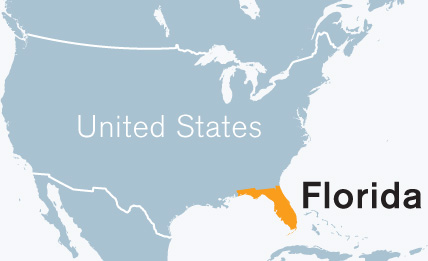
MAP 5.2
Florida, United States
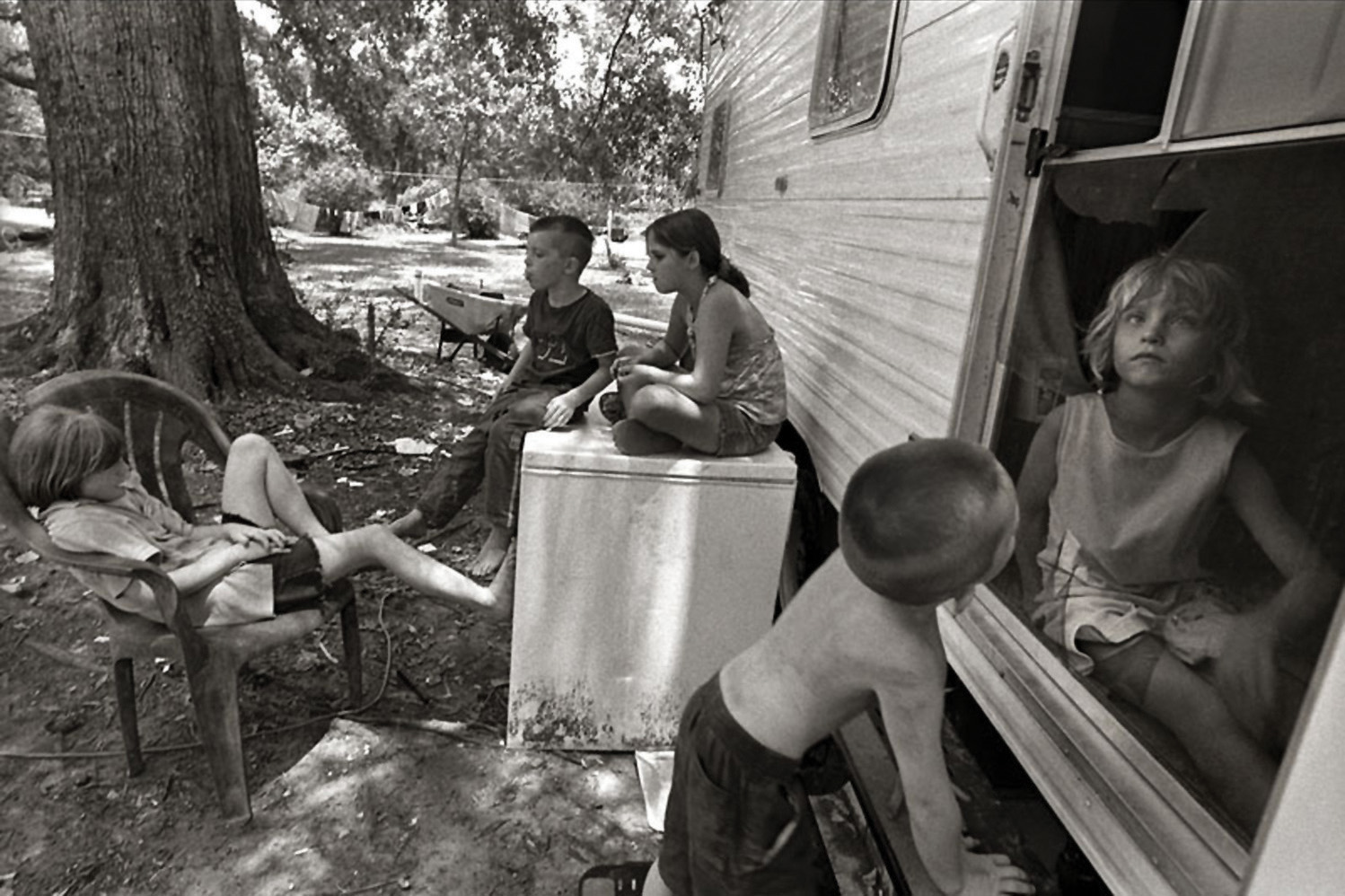
Not all people of European descent benefit equally from the system of white privilege. Whiteness is also stratified along deep, intersecting lines of class and region, gender and sexuality. In a study of a town she calls Shellcracker Haven, southwest of Gainesville, Florida, anthropologist Jane Gibson (1996) explores the process through which a community of poor whites has been systematically cut off from their local means of making a living. By imposing restrictions on fishing, gaming, and trapping as well as on agricultural activities—all of which benefit large-scale businesses—the Florida state government and its agencies have gradually prevented Shellcracker Haven’s residents from making a living on the land or nearby water.
More information
Anthropologists of race in the United States have studied the often “unmarked” category of whiteness. The privileges of whiteness in the United States are not experienced uniformly but rather are stratified along deep lines of class, region, gender, and sexuality.
Gibson argues that these policies of disenfranchisement have been rationalized by stereotypes that state authorities promote. Such stereotypes portray the local people as “white trash,” “swamp trash,” and “crackers”; as dirty, skinny, shoeless, toothless, illiterate, and unintelligent. The stereotypes deflect attention from the skewed distribution of wealth and power and the uneven investments in roads, education, and health care that result from state policies. Poor whites are a subordinated group, distinct from successful middle- and upper-class whites in the state. In the current age of globalization, economic restructuring and global competition are further undermining the white privilege for many poor and working-class whites as manufacturing jobs leave the United States.
Glossary
- white supremacy
- The belief that whites are biologically different from and superior to people of other races.
- whiteness
- A culturally constructed concept originating in 1691 Virginia, designed to establish clear boundaries of who is white and who is not—a process central to the formation of U.S. racial stratification.
- Jim Crow
- Laws implemented after the U.S. Civil War to enforce segregation legally, particularly in the South, after the end of slavery.
- hypodescent
- Sometimes called the “one drop of blood rule”; the assignment of children of racially “mixed” unions to the subordinate group.
- nativism
- The favoring of certain long-term inhabitants, namely whites, over new immigrants.
- racialization
- The process of categorizing, differentiating, and attributing a particular racial character to a person or group of people.