LATER PSYCHOANALYTIC THEORY
Until he was nearly 50, Freud practiced and theorized primarily on his own, and his writings were directed toward a broad educated readership. For many scholars today, these remain his most fundamental and important works, laying the basis for such concepts as unconscious motivation, the inevitability of intrapsychic conflict, and the importance of such primary-process mechanisms as overdetermination, displacement, condensation, and concrete representation as means of dealing with that conflict.
Beginning in about 1905, his work began to attract the admiration of a small but growing number of other physicians and intellectuals. Gradually psychoanalysis was transformed from being the creation of a single person into a movement. While it continued to be dominated by Freud, it also involved many disciples, collaborators, and eventually dissidents. From this point on, many of his writings would become more technical and aimed at a more specialized audience. Although less fundamental than his earlier work, several attracted considerable attention and/or controversy.
Metapsychology and the Defense Mechanisms
From the beginning of his career, Freud occasionally tried to place his clinical discoveries within a broader theoretical context, by focusing on the general features of the human mind that enabled it to produce the symptoms, dreams, and transferences he observed in his patients and himself. He referred to his theoretical models of the mind (or psyche, as he sometimes called it), as his metapsychology. His earliest metapsychological theorizing occurred in the 1890s when he proposed neurological structures and mechanisms capable of producing the dreams and symptoms of hysteria he saw in his psychotherapy practice. He sketched his ideas in 1895 in a long draft manuscript never intended for publication; it was found by his editors after his death and published as Project for a Scientific Psychology.12
This incomplete and sometimes obscure manuscript has proven extraordinarily interesting to Freud scholars. It played an important role in the development of his ideas about dreams and primary-process thinking, but was limited by the rudimentary state of knowledge about the nervous system at that time. Believing the nervous system was too poorly understood to enable him to specify detailed mechanisms for all the psychological phenomena that interested him, Freud decided to avoid neurological technicalities by expressing his metapsychology in completely psychological terms. Keeping his concepts consistent with but not dependent upon current scientific knowledge, he hoped future neurological discoveries by others would suggest precise mechanisms to explain his ideas. As he wrote in 1900:
I shall entirely disregard the fact that the mental apparatus with which we are . . . concerned is also known to us in the form of an anatomical preparation, and I shall carefully avoid the temptation to determine psychical locality in any anatomical fashion. I shall remain upon psychological ground.13
Freud’s most famous descriptions of “psychical localities” appeared in a short 1923 work entitled The Ego and the Id.14 Here he argued that the psyche is constantly influenced by three different kinds of demands that inevitably conflict with one another. First are the instincts: biologically based urges arising from within the body, for nourishment, warmth, sexual gratification, and so on. A second kind of demand is imposed by external reality; in order to survive, a person must learn to manipulate the environment to avoid physical dangers and obtain proper resources for satisfying the instincts. From his earliest metapsychological writings onward, Freud had emphasized situations in which reality-based demands conflicted with instinctual urges, whose satisfactions had to be delayed, modified, or abandoned because of the constraints of the real world.
Third, Freud recognized that moral demands influence the mind independently of the instincts and external reality. Sometimes people refrain from satisfying their impulses because they think it would be wrong, even if there is nothing in the physical environment to prevent them from doing so. They might ignore the dangers of external reality and risk their lives in the service of a moral ideal. Because moral demands could motivate people in directions contrary to both the instincts and the demands of external reality, Freud believed a complete model of the human psyche would have to make an important and separate place for them.
Freud’s 1923 model proposed three separate systems representing the three kinds of psychic demands. He postulated the id as the origin and container of unconscious, powerful impulses and energies from the instincts. Then he hypothesized a “perception-consciousness system,” abbreviated as pcpt.-cs., that conveys information about external reality to the psyche. This system not only produces immediate consciousness of whatever is being perceived, it also leaves behind memories that remain open to future consciousness in a region of the psyche Freud described as “preconscious.” Moral demands, arising independently of instincts and external reality alike, presumably originated from a separate part within the psyche that Freud called the superego.
The id, the pcpt.-cs. (external-perception system), and the superego all introduce differing and conflicting demands into the psyche, which must sort them out and achieve some sort of compromise. Specific responses must be devised and executed that will permit some degree of instinctual satisfaction but that will not endanger the individual from the real world or violate the dictates of conscience. Freud’s term for the part of the psyche that governed these compromises was the ego.*
While recognizing that graphical representations of abstract concepts may not appeal to everyone, Freud drew a simple sketch of his psychic structures (Figure 11.4). The id lies open to the instincts from the body at the bottom of the diagram, while the pcpt.-cs. is perched like an eye on the top, oriented to the external world. The superego is contained within the psyche to one side. Squarely in the middle, where it functions as mediator of all the conflicting demands, is the ego.
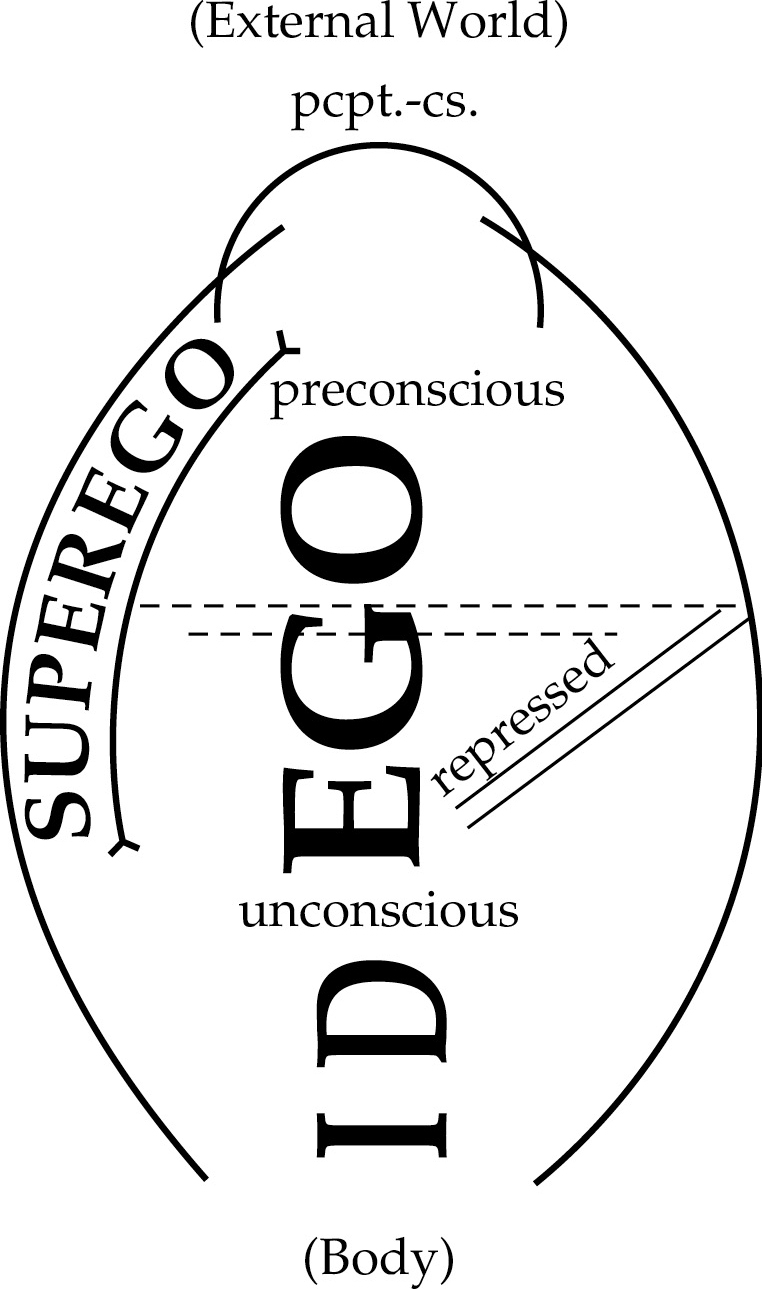
Figure 11.4 Freud’s model of the psyche.
Figure 11.4 Freud’s model of the psyche.
Consistent with its central location in Freud’s diagram, the ego attracted much theoretical attention during the latter part of his career. He came to see virtually everything a person does as the result of some sort of compromise among conflicting demands, and therefore a product of the ego. Some of the ego’s compromises favor one kind of demand over others, and some are more beneficial than others. Hysteria symptoms represent relatively harmful compromises, in which considerations of external reality are ignored and the wishful pressures of the id are confronted mainly by the superego; thus, the id impulses receive disguised rather than overt expression. Dreams are similar, although not as harmful because they occur in a sleeping state in which the consequences of ignoring reality are not as severe. These dramatic kinds of compromises, of course, had been the starting points for Freud’s analysis of intrapsychic conflict.
Increasingly, however, the older Freud saw everyday life as dominated by other, less dramatic ego compromises he called defense mechanisms. Collaborating in this theorizing was his youngest daughter Anna Freud (1895–1982; Figure 11.5). The only one of his several children to follow in his footsteps, Anna became a pioneer in the psychoanalysis of children. Her book The Ego and the Mechanisms of Defense provided the definitive descriptions of the major defense mechanisms15.
One of these was displacement (the same term Freud used for an aspect of dream work). As a defense mechanism, displacement is the redirection of an impulse toward a substitute target that resembles the original in some way but is psychologically safer. A woman who suffers the taunts of her boss in silence might displace her anger by yelling at her husband and children when she gets home, for example. Repressed Oedipal impulses from childhood are presumably displaced when people fall in love with partners who resemble their opposite-sex parents in some significant way—a very common occurrence, according to the Freuds.
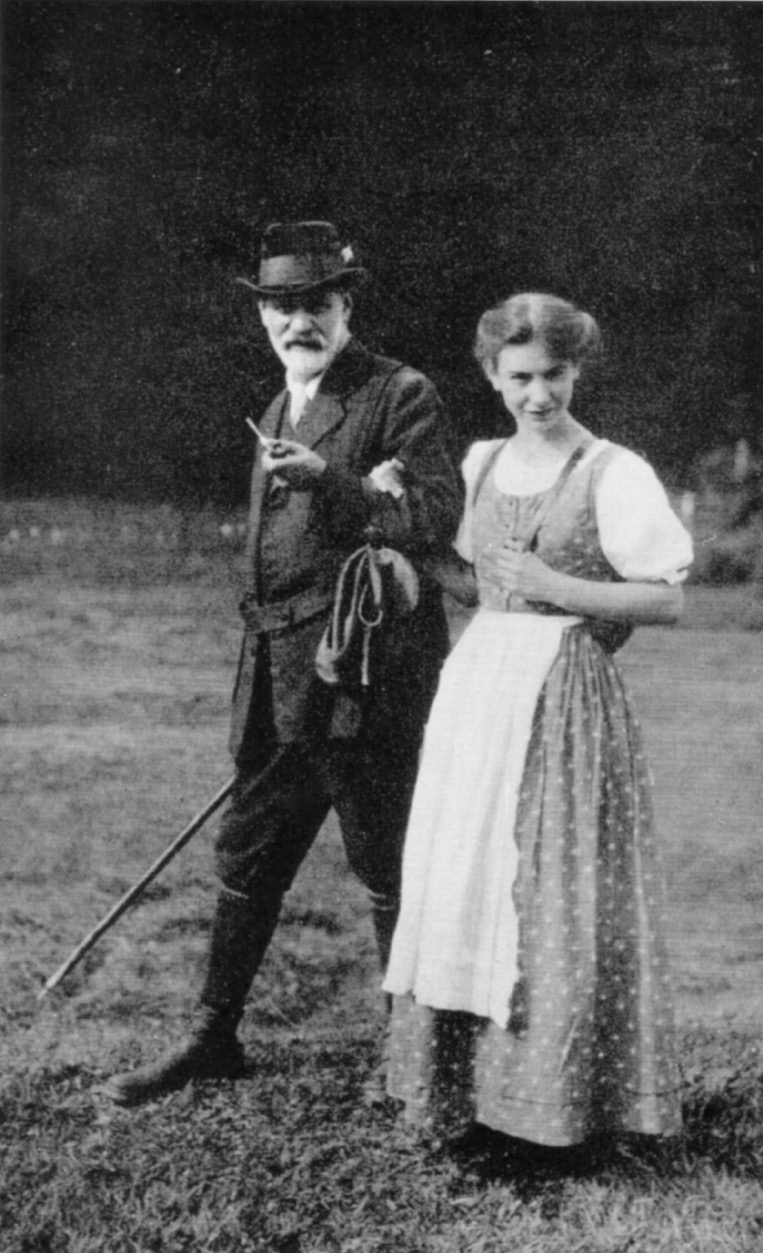
Figure 11.5 Anna Freud (1895–1982) with her father.
Figure 11.5 Anna Freud (1895–1982) with her father.
The defense mechanism of projection occurs when one does not directly acknowledge one’s own unacceptable impulses, but attributes them to someone else instead. If you become angry at someone but have a superego that interprets the feeling as morally wrong, you may project your anger onto that person and see him or her as being angry and hostile toward you instead. You might then act aggressively toward your target but believe your action is self-defense or retaliation rather than unprovoked hostility. In intellectualization, an emotion-charged subject is directly approached, but in a strictly intellectual manner that avoids emotional involvement. An adolescent beset by sexual urges might read technical literature on sexuality, for example, while avoiding any direct sexual entanglements. Academics and professors may demonstrate intellectualization when they become technical experts in subjects associated with their personal emotional conflicts. A somewhat related defense mechanism is rationalization, in which people act because of one motive but explain the behavior (to themselves as well as to others) on the basis of another, more acceptable one. For instance, a father may get a certain amount of anger relief from spanking his child but argue and believe afterward that, according to some expert, it had all been “for the child’s own good.”
The defense mechanism of identification, the unconscious adoption of the characteristics of some other emotionally important person, acquired considerable theoretical importance in Freud’s later writings. He suggested that in the process of mourning, for example, a bereaved person may unconsciously keep a lost loved one alive by “internalizing” and taking on his or her characteristic behaviors and attitudes. More consequentially, Freud argued that identification can be a way of dealing with someone who is feared—a process he believed to be central in the creation of a child’s superego.
Born without an innate sense of conscience, children learn from experience that certain acts and impulses will cause parental disapproval and might lead to punishment. As previously noted, Freud believed that in early childhood a sequence of broadly sexual experiences and feelings unfolds, including Oedipal feelings toward the parents that are unacceptable from an adult perspective. He also believed such impulses and feelings become particularly intense at age 5 or 6, along with an acute recognition that all-powerful parents strongly disapprove of them. The seething cauldron of childish sexuality becomes a source of intense anxiety, to which the children presumably respond by unconsciously identifying with the parents, internalizing their moral rules and prohibitions. Following this identification and internalization, the moral demands for restraint come from within, and the new part of the psyche that contains the internalized parents is the superego.
Further considerations about the superego led to one of the most controversial and bizarrely fanciful episodes of Freud’s career (which occurred during a particularly difficult time in his personal life). Freud became convinced, on the basis of some fragmentary free associations from his patients, that there is an important difference between men’s and women’s typical superegos.
He came to believe that during the Oedipal period that immediately precedes superego formation, little boys and girls become acutely aware of the major obvious anatomical difference between them: the presence or absence of a penis. This observation gives rise, he argued, to a castration complex which takes different forms for boys and girls. For boys, the predominant response is supposedly enhanced anxiety: now knowing that there are people without penises, they irrationally but intensely fear that their fathers might castrate them too if they openly revealed their Oedipal wishes. Girls, who by contrast have already been “castrated,” presumably respond not with anxiety but with envy, an unconscious wish to be like a boy and have a penis. A major consequence of this difference, Freud concluded, is that boys have a greater burden of Oedipal anxiety and therefore need a stronger and more severe internalization of parental restraint to deal with it. In other words, boys develop stronger superegos than girls.
When Freud described his concept of the castration complex in a short 1925 paper, he candidly admitted that it was based on just “a handful of cases” and excused its early publication because he believed “the time before me is limited.”16 But he went on to state, quite provocatively:
I cannot evade the notion (though I hesitate to give it expression) that for women the level of what is ethically normal is different from what it is in men. Their superego is never so inexorable, so impersonal, so independent of its emotional origins as we require it to be in men. Character traits which critics of every epoch have brought up against women—that they show less sense of justice than men, that they are less ready to submit to the great exigencies of life, that they are more often influenced in their judgements by feelings of affection or hostility—all these would amply be accounted for by the modification in the formation of their superego which we have inferred. . . . We must not allow ourselves to be deflected from such conclusions by the denials of the feminists, who are anxious to force us to regard the two sexes as completely equal in position and worth.17
Predictably, Freud’s outspoken statement caused a great deal of controversy both within and outside the psychoanalytic movement. There was surprise, too, because throughout his career Freud had been unusually (for his time) open to the participation of women in the psychoanalytic community he created. Both before and after his inflammatory article, he corresponded with and referred important patients to several female analysts, and he took particular pride in the professional development of his daughter Anna into a leadership role in the psychoanalytic movement. The noted feminist scholar Juliet Mitchell, while highly critical of the male-dominated society of which Freud was both a part and a product, also observed that “Psychoanalysis must be one of the very few scientific professions that, from its inception, exercised no discrimination against women.”18
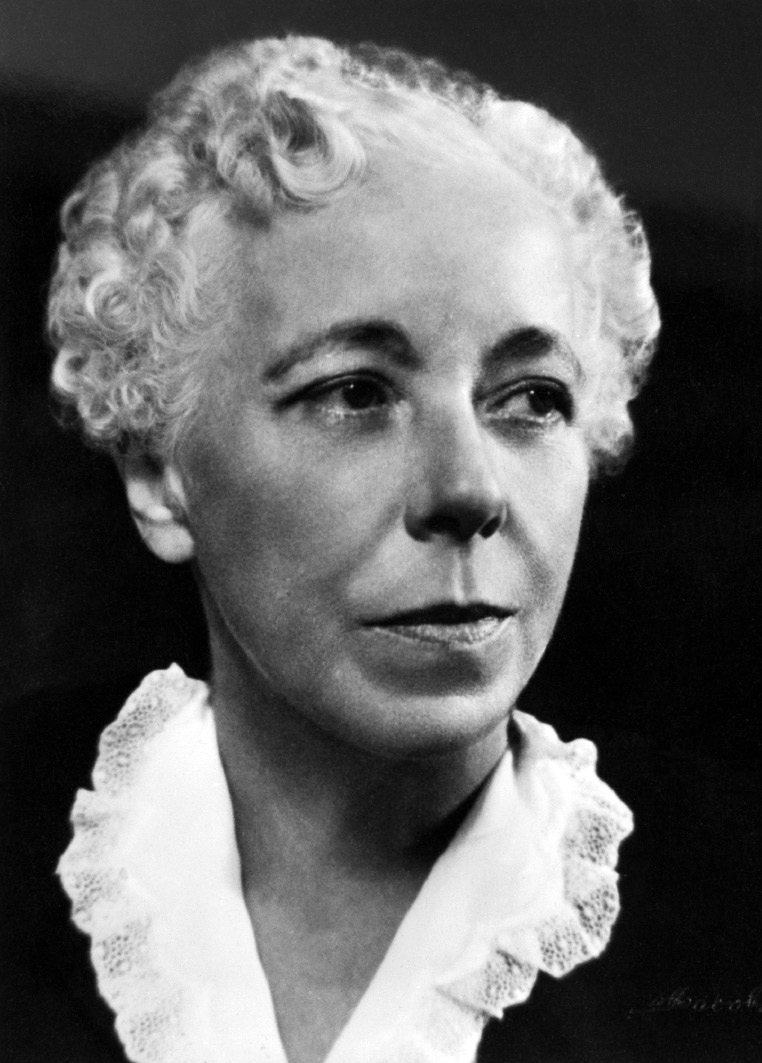
Figure 11.6 Karen Horney (1885–1952).
Figure 11.6 Karen Horney (1885–1952).
Despite the absence of institutional discrimination against her, the prominent German psychoanalyst Karen Horney (1885–1952; Figure 11.6) became an outspoken critic of Freud’s new theory of the castration complex. One of the first women to have earned a medical degree in Germany, she joined the psychoanalytic movement in 1920 and soon became respected as one of its most gifted practitioners and writers. Freud himself had cited her “valuable and comprehensive studies” in his controversial 1925 paper.19 Brushing aside the compliment, Horney argued that Freud’s conception of female sexuality was excessively biased by his male point of view and misrepresented the actual physiological and psychological experience of being female. In a comprehensive and theoretically sophisticated rebuttal to Freud, she stated that the penis takes on particular symbolic importance only in societies dominated by male privilege and power, and argued that boys and men should rightfully envy women, because they miss out on the creative joy and “blissful consciousness” of pregnancy and childbirth.20
A few years later the American psychoanalyst Clara Thompson (1893–1958) built on Horney’s work and further disputed Freud’s position that female inferiority was rooted in women’s lack of a penis and an underdeveloped superego. She argued instead for a culturally and historically based analysis of women’s experiences, especially as they were affected by views about male superiority. Thompson emphasized that the socially conditioned negative attitudes toward women’s sexuality and sexual organs, rather than some innate inadequacy of the organs themselves, led to women’s feelings of inferiority. She also pointed out that Freud’s theories about the psychology of women were artificially influenced by the particular cultural and historical position of the female patients he happened to treat.21
During his final years, Freud wrote speculatively and often pessimistically about a number of broadly philosophical issues, and in a somber 1930 work entitled Civilization and Its Discontents, he returned to reflections on the superego.22 Haunted by memories of the catastrophe of World War I and now disturbed by the growing popularity of Hitler in Germany, Freud had speculated that humans are often driven by an aggressive “death instinct” that he called Thanatos, which vies for control with the life-giving sexual instinct he now called Eros. He further theorized that a major vehicle for the expression of the death instinct’s aggressive energy was the superego—sometimes by producing self-destructive feelings of excessive guilt, and other times by displacing the aggressive impulses outward. In the name of moral values such as patriotism, religion, and justice, all sorts of acts of murder and carnage could be committed and approved by the superego. With the rise of the technologies of war, even before the atomic bomb, Freud feared that these tendencies threatened the very survival of the human species. In this new context, the hypothetically weak feminine superego—“never so inexorable, so impersonal, so independent of its emotional origins as we require it to be in men” (as quoted earlier)—does not come across as so inferior. Freud himself, however, never explicitly emphasized this rather obvious point.
As Freud’s fears came true and Hitler’s rise made Vienna increasingly dangerous for Jews throughout the 1930s, he and his immediate family finally fled to London in June 1938. His four elderly sisters were denied exit visas and stayed behind, later to perish in the Nazi gas chambers. Perhaps fortunately, Freud himself never learned of this, for he succumbed to cancer on September 23, 1939, as Europe lay on the brink of World War II.