1 |
Introducing the World of Psychology |
YOU’RE DRIVING DOWN THE STREET, talking on your cell phone as you negotiate the traffic, stop signs, and pedestrians. Then the driver in front of you stops suddenly. You frantically drop the phone and swerve, barely avoiding a collision. Your heart is pounding as you realize what could have happened.

BIG QUESTIONS
1.1 Why Is Psychology Important to You?
1.2 What Do Psychologists Investigate?
1.3 Who Are Psychologists Today?
1.4 How Do Psychologists Conduct Research?

FIGURE 1.1
Psychology in Daily Life: The Dangers of Using a Cell Phone While Driving
Kelsey Raffaele took this photo of herself (photo courtesy of her mother, Bonnie Raffaele). Bonnie Raffaele helped get a new law passed in their state that prevents novice drivers from using cell phones while driving. For more information on the dangers of using a cell phone while driving, please visit thekdrchallenge.com/Kelsey_s_Story.html.
Kelsey Raffaele, a 17-year-old high school senior in Michigan, wasn’t so lucky (Figure 1.1). In January 2010, Kelsey was driving through town after school and decided to pass a slower vehicle in front of her. When she saw an oncoming vehicle in the passing lane, she misjudged the distance and crashed. Kelsey spoke her last words on her cell phone as she talked with her best friend, Stacey Hough: “Oh [no], I’m going to crash.”
If you are like 70 percent of the people in the United States, you talk on a cell phone every day when you are driving. This habit is so common that most of us never think twice about it. That’s exactly what Stacey Hough reported. She was driving behind Kelsey at the time of the accident. “[We] used our phones all the time behind the wheel. We never thought anything would come of it,” said Stacey. “Until it happen[s], you don’t think it could happen.”
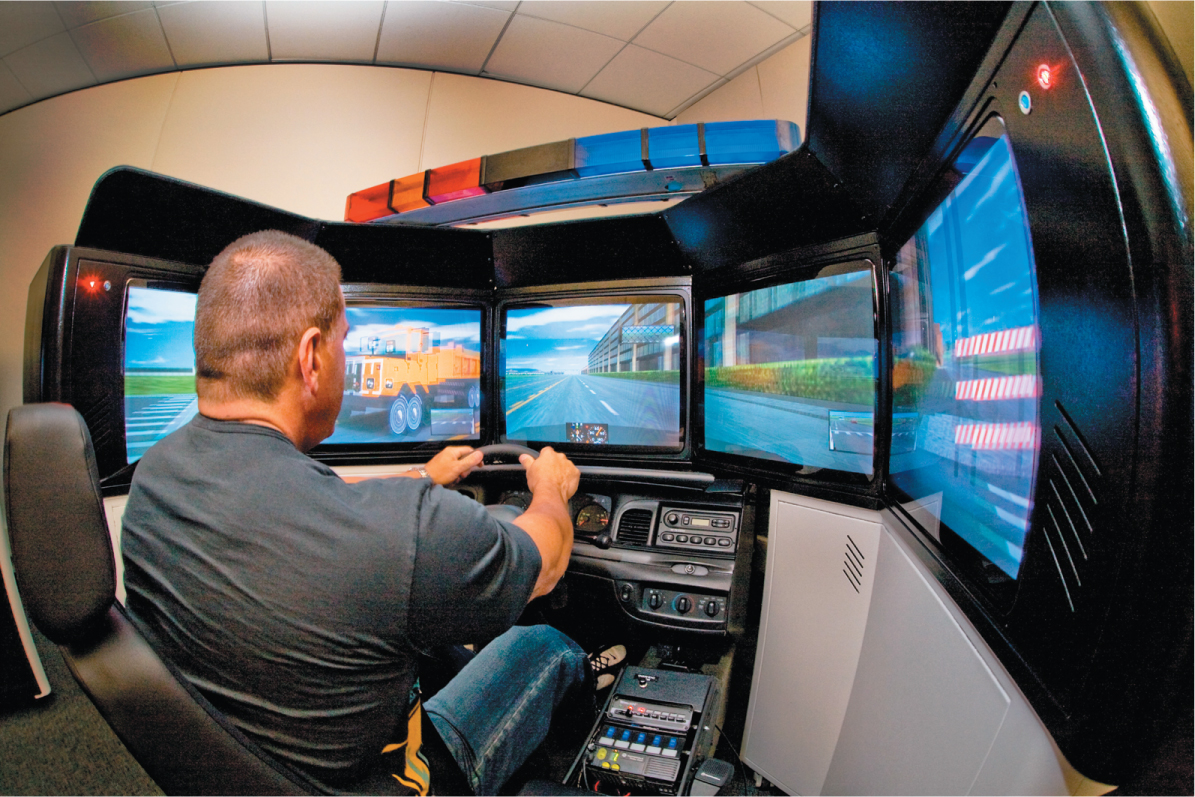
Statistics contradict people’s intuition that they can drive safely when talking on the phone. The National Highway Traffic Safety Administration estimates that about 1.4 million car crashes each year, a little less than one-third of all car crashes, involve drivers who are using cell phones. Cell phone use is reported in about 18 percent of distracted driving fatalities. The common wisdom is that these accidents happen because the driver has only one hand on the wheel while holding the phone with the other. Because of this habit, several states have enacted laws that require the use of hands-free phones while driving. But even when they have two hands on the steering wheel, can people really drive safely while talking on the phone?
Unfortunately, we cannot use intuition to answer questions like this one. Intuition fails here because what seems to be obvious is rarely the whole story. Behind the “obvious” are mental processes that cause us to think and act in certain ways. In fact, according to the latest research findings, a driver’s performance is similar whether he is holding a phone or using a hands-free device. This finding implies that the absence of one hand on the steering wheel is not the problem. The distraction of the conversation is the main reason drivers miss the important visual and audio cues that ordinarily would help them avoid a crash.
Having all the data can help us make informed decisions about what actions to take. In the case of cell phones and driving, the research suggests that current legislation is not likely to reduce risk. Instead, we must limit cell phone use while driving. But how can public policies succeed in getting people not to use cell phones when driving, if these drivers believe they are not at risk? Could manufacturers create cell phones and other in-car products that are less distracting when drivers use them? And how might we understand which drivers are most at risk and provide intervention for them?
When you decided to take a psychology course, you probably did not think it would deal with issues such as cell phone use. But questions like these are at the forefront of psychological research. This text introduces you to current topics and looks at how you can use psychology to think critically and guide your daily life. Just imagine what this knowledge might have done for Kelsey Raffaele—and for the thousands of other people like her who perish in distracted driving accidents every year.