LEARNING GOAL
Explain how the four classes of psychoactive drugs create an altered state of consciousness.
LEARNING GOAL
Explain how the four classes of psychoactive drugs create an altered state of consciousness.
If you drank coffee, tea, or caffeinated soda within the past few hours, you may be reading under the influence of a drug. When people think of drugs, they often think of illegal substances. But a psychoactive drug is any mind-altering substance that changes the brain’s neurochemistry by activating neurotransmitter systems, which is exactly what caffeine does.
The four main classes of drugs that create altered states of consciousness are summarized in Table 3.1. Some of these drugs have legitimate medical uses, but all of them are commonly abused outside of treatment. Stimulants increase behavior and mental activity. By contrast, depressants decrease behavior and mental activity. Opioids reduce pain but also provide pleasure. Hallucinogens change perceptions, thoughts, and emotions. They may also increase or decrease behavior or mental activity. This section considers a few common psychoactive drugs and describes how the effects of a particular drug depend on which neurotransmitter systems it activates.
|
TABLE 3.1 Four Classes of Psychoactive Drugs |
|||
|
Class of Drug |
Examples of Specific Drugs |
Psychological Effect(s) |
Neurotransmitter System(s) |
|
Stimulants |
Amphetamines, methamphetamine (meth), cocaine, nicotine, caffeine |
Increase behavior and mental activity |
Dopamine, norepinephrine |
|
Depressants |
Anti-anxiety drugs (such as benzodiazepines), alcohol |
Decrease behavior and mental activity |
GABA |
|
Opioids |
Heroin, morphine, codeine |
Reduce pain and bring pleasure |
Endorphins |
|
Hallucinogens |
LSD, peyote, psilocybin mushrooms MDMA (also acts as a stimulant) Cannabis (also can be a stimulant or depressant) |
Change perceptions, thoughts, and emotions MDMA may also increase behavior and mental activity Cannabis may also increase or decrease behavior and mental activity |
Serotonin (LSD, peyote, psilocybin) Serotonin, dopamine, norepinephrine (MDMA) Cannabinoid (cannabis) |
Stimulants Stimulants activate the sympathetic nervous system, increasing heart rate and blood pressure. They improve mood, but they also make people restless and disrupt sleep. Many substances act as stimulants, even though the effects are often mild. For instance, coffee, soda, and energy drinks often contain moderate doses of the stimulant caffeine, but those doses can add up if someone has several caffeinated drinks in a day. Drinking these beverages at night commonly interferes with sleep. Chocolate contains a chemical similar to caffeine that produces stimulating effects. The drug nicotine, found in traditional cigarettes and e-cigarettes, is also a stimulant. More powerful stimulants include cocaine and amphetamines. Amphetamines are found in some drugs used to treat attention-deficit/hyperactivity disorder. Students sometimes take amphetamines, such as Adderall, to help them study. The majority of college students report knowing someone who has used a nonprescribed stimulant as a study aid (Weyandt et al., 2013).
Most stimulants work by letting the neurotransmitter dopamine remain in synapses longer, which prolongs the impact of the dopamine. However, sometimes stimulants also increase the release of dopamine by neurons (Fibiger, 1993). Dopamine seems to be involved in drug use in two ways. First, the increased dopamine is associated with greater reward, or increased liking (Volkow et al., 2011; Wise & Robble, 2020). Second, the increased dopamine leads to a greater desire to take a drug, even if that drug does not produce pleasure. Thus sometimes those with addictions want a drug even if they do not like the effects of the drug (Kringelbach & Berridge, 2009). Available evidence suggests that dopamine is particularly important for the wanting aspect of drug use, a relatively common effect among smokers.

The advertisement for Coca-Cola reads, this “intellectual beverage” and temperance drink contains the valuable tonic and nerve stimulant properties of the coca plant and cola (or Kola) nuts, and makes not only a delicious, exhilarating, refreshing, and invigorating beverage, (dispensed from the soda water fountain or in other carbonated beverages), but a valuable brain tonic, and a cure for all nervous affections - Sick head-ache, neuralgia, hysteria, melancholy, et cetera. The peculiar flavor of Coca-Cola delights every palate; it is dispensed from the soda fountain in the same manner as any of the fruit syrups. It is signed by J. L. Pemberton, who is the Chemist and sole proprietor in Atlanta, Georgia.
FIGURE 3.26 Early Coke Ad
This advertisement’s claim that Coca-Cola is “a valuable Brain Tonic” may have been based on the inclusion of cocaine in the drink before 1906.
Cocaine is a stimulant derived from the leaves of the coca bush, which grows primarily in South America. Cocaine has a long history of use in America. John Pemberton, a pharmacist from Georgia, was impressed with cocaine’s effects. In 1886, he added the drug to soda water for easy ingestion, creating Coca-Cola (Figure 3.26). In 1906, the U.S. government outlawed cocaine, so it was removed from the drink. To this day, coca leaves are still used in the making of Coke, but the active ingredient has been removed. After inhaling (snorting) cocaine as a powder or smoking it in the form of crack cocaine, users experience a wave of confidence and feel good, alert, energetic, sociable, and wide awake. Cocaine produces its stimulating effects by increasing the concentration of dopamine in synapses.
Methamphetamine (meth) is also a stimulant, as it breaks down into amphetamine in the body. Meth is one of the world’s most commonly abused drugs (Barr et al., 2006). Fortunately, the use of meth may be declining (Gonzales et al., 2010). This drug was first developed in the early twentieth century as a nasal decongestant, but its recreational use became popular in the 1980s. According to the National Institute of Drug Abuse (2014), around 4 percent of the U.S. population has tried methamphetamine. One factor that has encouraged use of this drug and may explain its popularity is how easy it is to make using common over-the-counter drugs and simple lab methods, as depicted in the acclaimed television show Breaking Bad.

A computerized image of the brain from the dorsal view with three areas highlighted on the frontal cortex. The areas represent the brain damage that typically occurs in the frontal lobes due to methamphetamine abuse.
FIGURE 3.27 Methamphetamine’s Effects on the Brain
This image is a combination of the brain scans from 29 methamphetamine abusers. The red and yellow areas represent the brain damage that typically occurs in the frontal lobes because of methamphetamine abuse (Kim et al., 2006). Such damage may explain the cognitive problems that occur with methamphetamine use.
By blocking the reuptake of dopamine and increasing its release, methamphetamine yields much higher levels of dopamine in the synapse. Methamphetamine stays in the body and brain much longer than cocaine does, so its effects are prolonged. Over time, methamphetamine damages various brain structures, including the frontal lobes, where complex thought is processed (Figure 3.27). The drug’s effects on the temporal lobes and the limbic system may explain the harm done to memory and emotion in long-term users (Kim et al., 2006; Thompson et al., 2004). Methamphetamine also causes considerable damage to the rest of the body (Figure 3.28).

A before and after photo of a middle-aged woman compares a difference in facial features after the use of methamphetamine for 2.5 years. The left photo shows a woman with smooth skin and highlights in her hair. The right photo shows the same woman 2.5 years later, and she has many facial wrinkles, scabs, and scars.
FIGURE 3.28 Methamphetamine’s Effects on the Person
These before-and-after photos dramatically illustrate physical damage from methamphetamine. The photo of the same person on the right was taken six months after the photo on the left.
Depressants Unlike stimulants, depressants reduce behavioral and mental activity by slowing down the central nervous system. Depressants include the anti-anxiety drugs, such as benzodiazepines (Xanax, Klonopin, Valium, Ativan), commonly given to calm people and to reduce worry. In large doses, depressants can cause sleep, which is why they are sometimes called sedatives.
Depressants produce their effects by activating GABA receptors. GABA is the primary inhibitory neurotransmitter in the brain. Through their effects on GABA receptors, depressants inhibit neural activity, which may be why they are experienced as relaxing.

FIGURE 3.29 Alcohol Is the Most Widely Abused Drug
The open display and easy availability of alcohol make us forget that it is a widely abused depressant.
Alcohol is the most widely used depressant—in fact, it is the most widely used and abused drug (Figure 3.29). Perhaps you know someone who once drank a lot of alcohol, experienced a blackout, and cannot remember the details. Alcohol is a depressant that, like other drugs that can be abused, may offer its rewards by activating dopamine receptors. But it also interferes with the neurochemical processes involved in memory, and memory loss can follow excessive alcohol intake. Heavy long-term alcohol intake can cause extensive brain damage. Korsakoff’s syndrome, a disorder sometimes caused by alcoholism, is characterized by both severe memory loss and mental decline.
Many societies have a love/hate relationship with alcohol. On the one hand, moderate drinking is an accepted part of social interaction and may even be good for health. On the other hand, alcohol is a major contributor to many societal problems, such as spousal abuse and other forms of violence. Although the percentage of traffic fatalities due to alcohol is dropping, alcohol is a factor in more than one third of fatal accidents. In 2018, more than 10,000 Americans were killed by crashes involving drunk drivers (National Center for Statistics and Analysis, 2019). One study found that approximately one third of college students reported having had sex during a drinking binge, and the heaviest drinkers were likely to have had sex with a new or casual partner (Leigh & Schafer, 1993), thus increasing their risk for exposure to sexually transmitted diseases. The overall cost of problem drinking in the United States—including lost productivity due to employee absence, health care expenses, and so on—is estimated to be about $250 billion each year (Sacks et al., 2015).
In every region of the world, men drink a lot more alcohol than women across a wide variety of measures (for example, drinking versus not drinking, heavy drinking versus occasional drinking, and alcohol use disorder). Men are twice as likely to report binge drinking (having five or more drinks in one evening), chronic drinking, and recent alcohol intoxication (Patrick et al., 2013). Gender gaps in binge drinking may be smaller among university students (Swendsen et al., 2012).
Alan Marlatt (1999), a leading researcher on substance abuse, has noted that in many cultures, people view alcohol as the “magic elixir,” capable of increasing social skills, sexual pleasure, confidence, and power. They anticipate that alcohol will have positive effects on their emotions and behavior. For example, people tend to think that alcohol reduces anxiety, so both light and heavy drinkers turn to alcohol after a difficult day. Alcohol can interfere with the way the brain processes suggestions of threats, so anxiety-provoking events may be less troubling when people are intoxicated. However, this effect occurs only if people drink before the anxiety-provoking events. In fact, drinking after a hard day can increase people’s focus on and obsession with their problems (Sayette, 1993). What’s more, although moderate doses of alcohol are associated with more positive moods, larger doses are associated with more negative moods.
Expectations about alcohol’s effects are learned very early in life through observation. Children may see that people who drink seem to have a lot of fun and that drinking is an important part of many celebrations. Teenagers may view drinkers as sociable and grown up, two things they desperately want to be. Studies have shown that children who have very positive expectations about alcohol are more likely to start drinking and to become heavy drinkers than children who do not have those expectations (Leigh & Stacy, 2004).
Opioids Opioids have been used to relieve pain for hundreds of years. Indeed, before the twentieth century, heroin was widely available without a prescription. The benefits of short-term opioid use to relieve severe pain seem clear. But long-term opioid use to relieve chronic pain is much more likely to lead to a substance use disorder than is short-term use (Emery & Akil, 2020).
The term “opioids” is used today to refer to forms of opium regardless of whether they are natural (for example, heroin, morphine, and codeine) or synthetic (for example, fentanyl and Vicodin). All of these opioid drugs bind with naturally occurring endorphin receptors to produce feelings of relaxation, insensitivity to pain, and euphoria. Heroin provides a rush of intense pleasure that some users describe as similar to sexual orgasm. The rush evolves into a pleasant, relaxed stupor. Heroin and morphine are highly addictive and prone to abuse, perhaps because they have dual physical effects. Specifically, they increase pleasure by binding with opiate receptors, and they increase wanting of the drug by indirectly activating dopamine receptors (Kuhn et al., 2003). As a result, people enjoy the experience and want to use the drug again (Berridge & Kringelbach, 2013).
There has been an epidemic of opioid abuse during the past decade. Most experts view the current epidemic as resulting from the greater use of prescription opiates for chronic pain (Compton et al., 2016). Physicians had been encouraged to increase their prescription of opiates due to concerns that pain was not being treated aggressively enough. The greater availability of prescription drugs led to more recreational use as well as subsequent abuse and addiction. The effort to reduce prescription drug abuse by changing the drugs so that they produce less of a “high” and restricting access to prescribed opioids led those who were addicted to seek out cheaper and more powerful opioids, such as heroin. Heroin is often mixed with even more potent substances, such as the synthetic opioid fentanyl, to produce increased effects. Unfortunately, even small amounts of fentanyl can be deadly (Sutter et al., 2017). A version of fentanyl used to tranquilize elephants is 10,000 times more potent than morphine and so dangerous that even touching it can kill you.

FIGURE 3.30 Public Overdose
In 2016, this photo went viral. Shown here, a child’s grandmother and her friend have passed out from heroin overdose while the child awaits help (the child’s face is obscured in this version of the photo). Both the grandmother and her friend received prison terms for endangering the child.
One result of the increased use of potent mixes of opioids is a huge surge in the number of drug overdoses, many of them fatal (Strang et al., 2020; Figure 3.30). The COVID-19 pandemic made things worse, as opioid overdose deaths in the United States increased by 25 percent through the first half of 2020 (Ahmad et al., 2021). The group most affected by opiate overdoses is White middle-age males, who have the highest death rates by far (Hedegaard et al., 2017). Deaths from opioid overdose have risen similarly in Canada (Fischer et al., 2016). Fortunately, opioid use by high school students has decreased substantially over the last few years, likely because they perceive it as extremely dangerous (Johnston et al., 2020).
Many first responders now carry naloxone, an opioid antagonist, which can reverse opioid effects and help people survive an overdose. In 2015, the Federal Drug Administration (FDA) approved Narcan, a nasal spray containing naloxone that is easy to administer. Narcan is now available without prescription in a growing number of states. Unfortunately, some opioid users might be increasing their risky drug use because of the widespread availability of Narcan (Doleac & Mukherjee, 2018). The FDA is also establishing new guidelines for the safe and effective use of pain medications for the 9–12 million Americans who suffer chronic pain (Hahn, 2020). Clinicians need to be cautious in prescribing opioids, especially when the drugs will be used for long periods.
Hallucinogens Hallucinogens alter sensation and perception, changing how users experience the world around them. One well-known hallucinogen is lysergic acid diethylamide (LSD). LSD was discovered in 1938 and is made from a chemical found in certain types of fungus, called ergot, that grow on rye and other wheats. It is usually taken orally, and the drug experience, informally called a “trip,” lasts for about 12 hours. LSD changes sensory experiences and can produce extreme hallucinations, which can be pleasurable or unpleasurable. People using LSD also have a distorted sense of time. Many natural substances, such as certain plants and fungi, have psychedelic properties. For example, eating the top part of the peyote cactus or certain types of mushrooms, such as psilocybin mushrooms, produces hallucinogenic effects. These psychedelic substances have been used in religious rites throughout history. The most commonly used drugs with hallucinogenic effects are MDMA and cannabis.
MDMA produces an energizing effect similar to that of stimulants, but it also causes slight hallucinations. The street version of MDMA is sold as pills named ecstasy or Molly, but these pills often contain other chemicals in addition to MDMA. The drug first became popular in the 1990s among young adults in nightclubs and at all-night parties known as raves. According to the National Institute of Drug Abuse (2014), ecstasy use by high school students increased from 3.7 percent of high school students to 4.7 percent between 2009 and 2010. This trend later reversed, with fewer than 3 percent of students reporting using ecstasy in 2019 (Johnston et al., 2020).
Compared with amphetamines, MDMA is associated with less dopamine activity and more serotonin and norepinephrine activity. The serotonin release may explain ecstasy’s hallucinogenic properties whereas the norepinephrine can explain bodily responses such as sweating and fast heart rate. Research on animals has shown that MDMA can cause damage to a number of brain regions, particularly the prefrontal cortex and the hippocampus (Halpin et al., 2014). Studies with humans show evidence of a range of impairments from long-term ecstasy use, especially memory problems and a diminished ability to perform complex tasks (Parrott, 2013). Of course, any drug can be toxic in large doses or when taken for long periods.
Currently, controversy exists over whether occasional recreational use of ecstasy by itself causes long-term damage. Some ecstasy users take very high doses or regularly use other drugs, such as methamphetamine, that are known to be neurotoxic (Gallagher et al., 2014). However, growing evidence suggests that MDMA may have potential benefits for use in the treatment of posttraumatic stress disorder (Doblin et al., 2014). The drug promotes feelings of compassion and trust and reduces the negative emotions that people have about their traumatic experiences even after the drug wears off (Mithoefer et al., 2013). When used as part of treatment, MDMA does not have negative effects on health or cognition (White, 2014).
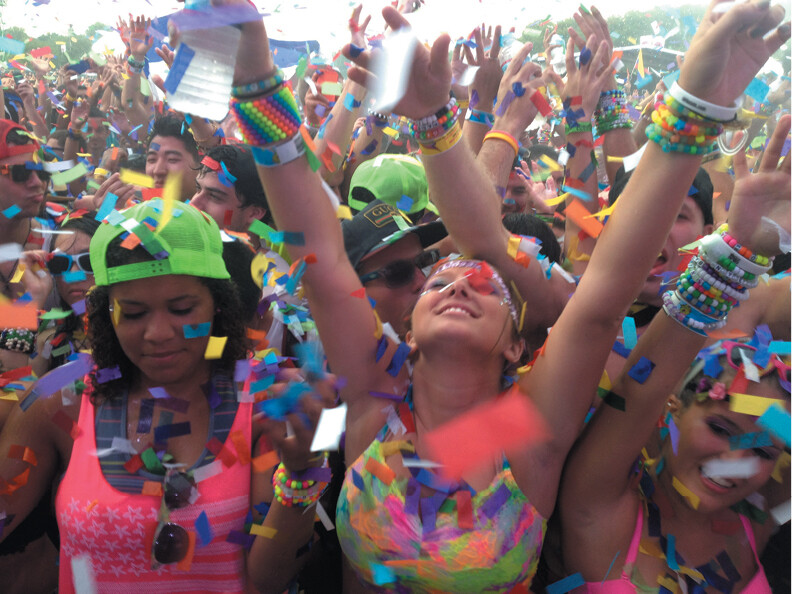
FIGURE 3.31 Deaths from MDMA
Concertgoers are shown at Electric Zoo 2013, a Labor Day weekend of electronic dance music in New York City. Two attendees died after taking MDMA sold as Molly, and the festival was ended a day early.
One concern is that many pills being sold as ecstasy or Molly contain other dangerous chemicals, such as drugs used to anesthetize animals. Even when they contain MDMA, the doses vary widely, increasing the likelihood of overdose (Morefield et al., 2011; Wood et al., 2011). Since the early 2000s, many concertgoers have died after consuming what they believed to be ecstasy or Molly (Figure 3.31).
Cannabis consists of the dried leaves and flower buds of one type of plant with the same name. It is widely used around the world. Cannabis is unique because it can be categorized as a stimulant (for example, by increasing appetite), a depressant (for example, by making people feel mellow and tired), or a hallucinogen. The psychoactive ingredient in cannabis is tetrahydrocannabinol (THC). By binding with naturally occurring cannabinoid receptors, this chemical produces a relaxed mental state, an uplifted or contented mood, and some perceptual and cognitive distortions. Cannabis users report that THC creates an altered state of consciousness because it makes perceptions more vivid, and some say it especially affects taste. However, most first-time cannabis users do not experience the “high” felt by more experienced users. Novice smokers might use inefficient techniques and they might have trouble inhaling. Users apparently must learn how to appreciate the drug’s effects (Kuhn et al., 2003). In this way, cannabis differs from most other drugs. Generally, the first time someone uses a drug other than cannabis, the effects are very strong, and in later uses the person has to use more of the drug to get the same effect.
According to the Monitoring the Future study, which has been tracking drug use since 1975, use of cannabis by high school students has increased over the past 30 years, with 43.7 percent of high school seniors reporting having tried it and 6.4 percent using it daily (Johnston et al., 2020). One recent trend is the dramatic increase in vaping of cannabis, from 8.5 percent of high school students in 2017 to 18.1 percent in 2019 (Miech et al., 2020). The increase in cannabis use by teenagers and young adults is concerning because of substantial evidence that heavy use is associated with developing serious psychological disorders in adulthood, including schizophrenia (Hasan et al., 2020), as well as an increased risk of later suicide (National Academies of Sciences, Engineering, and Medicine, 2017). In a meta-analysis involving nearly 300,000 adolescents and young adults, heavy cannabis use was strongly associated with later increased violence (Dellazizzo et al., 2020). Researchers are now examining whether these negative effects are the result of cannabis use affecting brain development (Hurd et al., 2019).
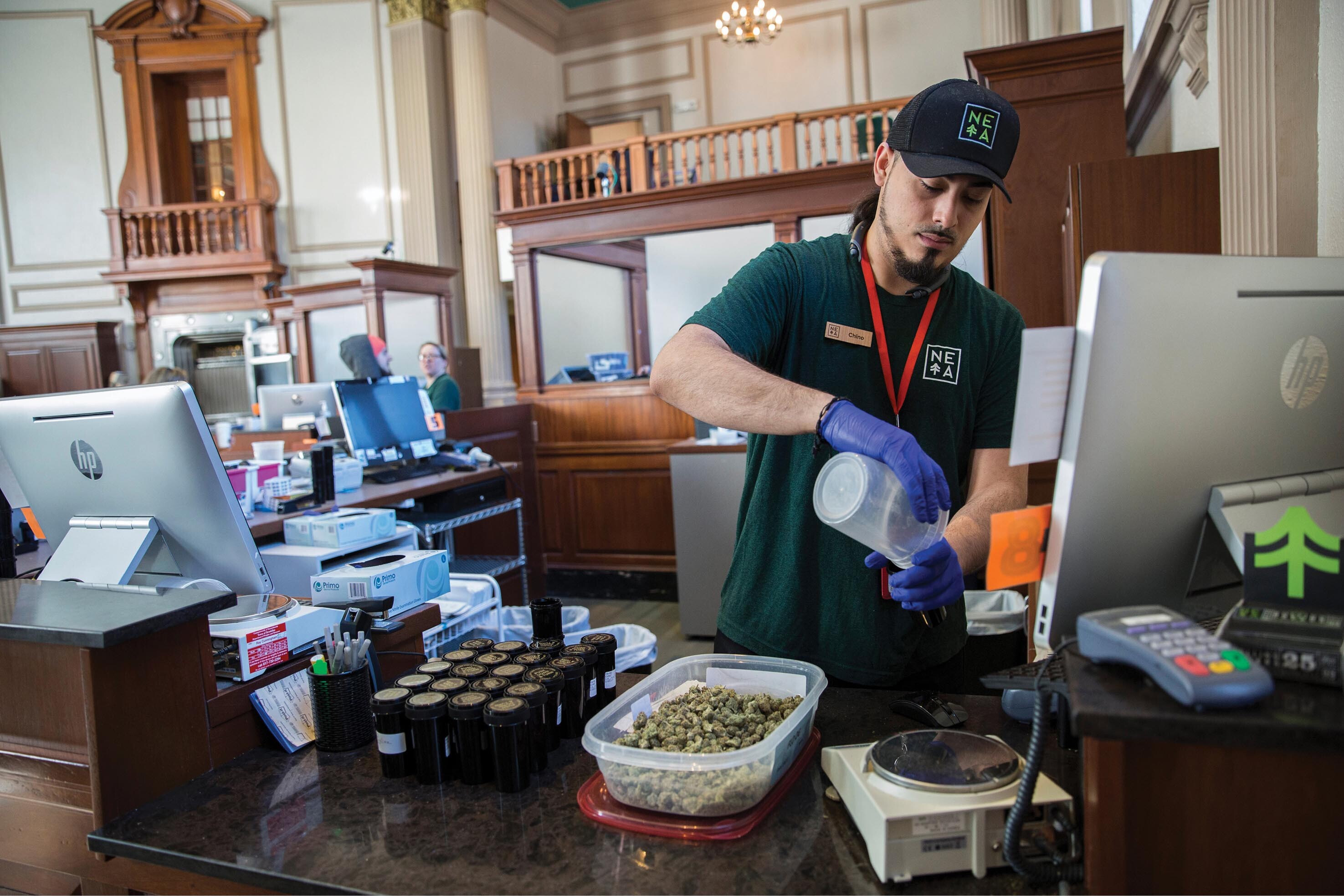
FIGURE 3.32 Former Bank Becomes Cannabis Dispensary
A former bank in Brookline, Massachusetts, has been converted to a store where adults can purchase cannabis products legally.
Despite these concerns, cannabis is sometimes used for its medicinal properties. For instance, cancer patients undergoing chemotherapy report that cannabis is effective for overcoming nausea. Medical cannabis is also extremely effective for dealing with chronic pain (National Academies of Sciences, Engineering, and Medicine, 2017). Nearly 1 in 4 AIDS patients reports using cannabis to relieve nausea and pain (Prentiss et al., 2004). The medical use of cannabis remains controversial due to the possibility that chronic use can cause health problems or drug abuse. Some countries and American states have concluded that such risks are offset by a reduction in the problems created by criminal activity associated with illegal drug use. The majority of U.S. states now allow medical use of cannabis, and many states have legalized recreational use (Figure 3.32).
LEARNING GOAL CHECK: REVIEW