In order to better understand social stratification, it is useful to examine various historical periods and to make global comparisons across cultures. So, here, we look at three major systems of stratification: slavery, caste, and social class. One of the key differences among these systems of stratification is fluidity, or whether members of society have the ability to change their position during their lives.
Slavery
Slavery, the most extreme system of social stratification, relegates people to the status of property, mainly for the purpose of providing labor for the slave owner. Enslaved people can thus be bought and sold like any other commodity. They aren’t paid for their labor and in fact are forced to work under mental or physical threat. Occupying the lowest rank in the social hierarchy, enslaved people have none of the rights common to free members of the same societies in which they live.
Slavery has been practiced since the earliest times (the Bible features stories of enslaved Israelites in Egypt) and has continued for millennia in South America, Europe, and the United States. In some instances, the race, nationality, or religion of the slave owners was the same as that of the enslaved people, as was the case in ancient Greece and Rome. Historically, a person could become enslaved in one of several ways. One way was through debt: A person who couldn’t repay what they owed might be taken into slavery by their creditor. Another way was through warfare: Groups of vanquished soldiers might be enslaved to the victors, and the women and children of the losing side could also be taken into slavery. A person who was caught committing a crime could be enslaved as a kind of punishment and as a means of compensating the victim. And some enslaved people were captured and kidnapped, as in the case of the transatlantic slave trade from Africa to the Americas.
In most systems of slavery, people were enslaved for life, working without pay in agriculture, construction, mining, or domestic service, and sometimes in the military, industry, or commerce. Their children would also be enslaved, thus making a greater profit for the owner. In some systems, however, slavery was temporary, and some enslaved people could buy their own freedom.
More information
Two young boys and a young girl crouch down to mold bricks. They are crouching down in front of rows of other bricks laid out to dry on the ground.
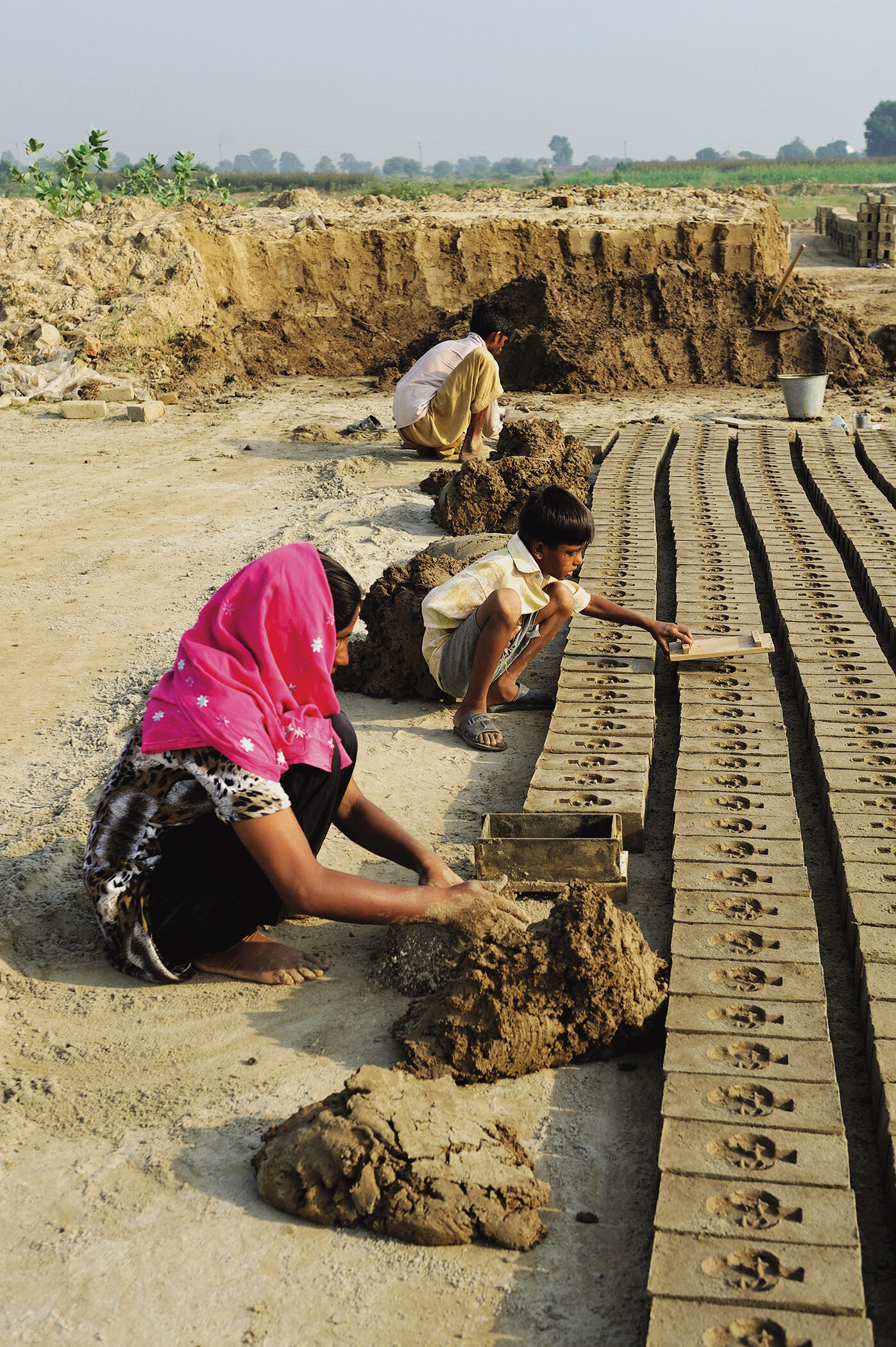
Modern-Day SlaveryWomen and children work in a brickyard in Pakistan. Bonded labor is one form of modern slavery.
Slavery is now prohibited by every nation in the world, as stated in the Universal Declaration of Human Rights. Not only is it illegal, but it is considered immoral as well. Nevertheless, the shocking fact is that slavery continues to exist today in many places in the world in the form of coerced child conscription, serfdom, forced and bonded laborers, human trafficking, and sex slavery. Some of the employers in the United Arab Emirates, mentioned in the chapter opener, have been reported to have kept workers’ passports so that the workers could not leave, or charged them so much for things like room and board that they could never hope to pay it back. Critics protest that these arrangements are a form of modern-day slavery (Sullivan 2022).
America and the Western world are not exempt from these shocking practices, in which people are held as enslaved agricultural, domestic, and sex workers. The National Human Trafficking Hotline identified nearly 10,000 cases of labor and sex trafficking in the United States in 2023 alone, each of which can involve multiple victims (National Human Trafficking Hotline 2025). Americans also play a role in supporting slavery elsewhere in the world by purchasing and using products made with enslaved labor (Bales and Soodalter 2009). The International Labour Organization, Walk Free, and the International Organization for Migration (2022) estimate there are nearly 50 million people trapped in some form of modern slavery.
Caste
Caste represents another type of social stratification found in various parts of the world. The traditional caste system is based on heredity, whereby whole groups of people are born into a certain stratum. Castes may be differentiated along religious, economic, or political lines, as well as by skin color or other physical characteristics. The caste system creates a highly stratified society where there is little or no chance of a person changing their position within the hierarchy, no matter what they may achieve individually. Members must marry within their own group, and their caste ranking is passed on to their children. In general, members of higher-ranking castes tend to be more prosperous, whereas members of lower-ranking castes tend to have fewer material resources, live in abject poverty, and suffer discrimination.
India is the country most closely associated with the caste system, based there in the Hindu (majority) religion. The caste system ranks individuals into one of five categories: Brahman (scholars and priests), Kshatriya or Chhetri (rulers and warriors), Vaishya (merchants and traders), Shudra (farmers, artisans, and laborers), and Dalit (social outcasts or “untouchables”). The caste system is a reflection of what Hindus call karma, the complex moral law of cause and effect that governs the universe (Cohen 2001). According to this belief, membership in a particular caste is seen as a well-deserved reward or punishment for virtuous or sinful behavior in a past life. Caste is thus considered a spiritual rather than material status, but it still results in real-world inequalities. Caste-related segregation and discrimination were prohibited in 1949 by India’s constitution, but they are still prevalent. Resistance to social change remains, and the social ramifications of the caste system have not been completely dismantled.
THE CASE OF SOUTH AFRICA
An important example of the caste system was apartheid, a legal separation of racial and ethnic groups that was enforced between 1948 and 1991 in South Africa. The term itself literally means “apartness” in Afrikaans and Dutch. The consequence of apartheid was to create great disparity among those in the different strata of society.
South Africans were legally classified into four main racial groups: white (English and Dutch heritage), Indian (from India), “Coloured” (mixed race), and Black. Black people formed a large majority, at 60 percent of the population. These groups were geographically and socially separated from one another. Black people were forcibly removed from almost 80 percent of the country, and were relocated to independent “homelands” similar to the American Indian reservations in the United States. They could not enter other parts of the country without a pass—usually in order to work as “guest laborers” in white areas. Ironically, African Americans visiting South Africa were given “honorary white” status and could move freely within the country. Social services for white and nonwhite people were separate as well: Schools, hospitals, buses, parks, beaches, libraries, theaters, public restrooms, and even graveyards were segregated. Indians and “Coloured” people were also discriminated against, though they usually led slightly more privileged lives than Black people. Despite claims of “separate but equal,” the standard of living among white people far exceeded that of any other group.
In South Africa under the apartheid system, white people held all the political, economic, and social power, despite being a numerical minority. It was not long before civil unrest and resistance to the system began developing within both South Africa and the international community. Black people and even some white people began to organize wage strikes and demonstrations, and sanctions were imposed by Western nations. The plights of high-profile anti-apartheid leaders such as Steve Biko and Nelson Mandela became known worldwide. Pressure on the white government continued to grow, until the country was in an almost constant state of emergency. In 1991, apartheid as a legal institution was finally abolished. Its legacy, however, has been much more difficult to dismantle.
More information
Trevor Noah holds a microphone and stands in front of a screen. The screen displays a world map depicting the African continent and its surrounding oceans.
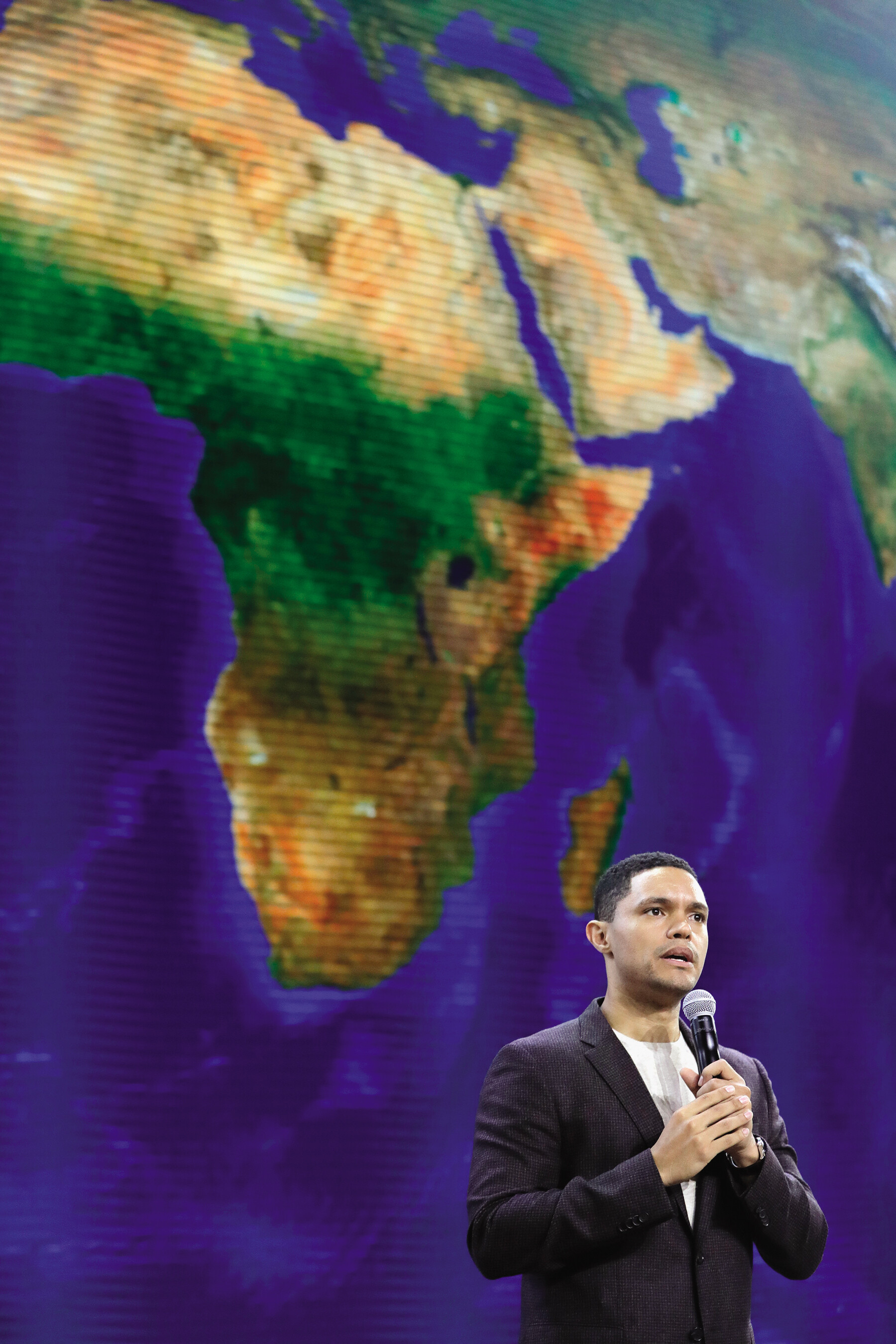
Born a CrimeComedian Trevor Noah was born in South Africa to a Black mother and a white father during the apartheid era. His memoir is titled Born a Crime.
Democratic elections in which all South African citizens could participate were first held in 1994. But change is happening very slowly. Although nonwhite people now share the same legal rights and privileges as white people, social inequality and discrimination have decreased little. South Africa remains a country with one of the most unequal distributions of wealth and income in the world. The wealthiest 10 percent of the population own more than 90 percent of national wealth; this upper economic stratum is almost exclusively composed of white people, a group that makes up just 8 percent of South Africa’s population (Orthofer 2016). Similar inequalities between white people and other races in South Africa are present in education, health care, and the criminal justice system. In some ways, new patterns of class stratification are replacing rather than erasing old patterns of racial stratification.
THE NEW JIM CROW
Law professor and civil rights attorney Michelle Alexander (2011) argues that there is a similar caste system in the United States but that it operates through the criminal justice system. Although it is no longer legal or socially acceptable to discriminate against people based on race, Americans still allow discrimination based on criminal convictions; in other words, felons are denied many of their citizenship rights, including voting, in many states, even after they have been released from prison. And since Black men are disproportionately represented in the prison population, they are also disproportionately affected by felon disenfranchisement and the lifelong stigmatization associated with the identity of the ex-con.
“An extraordinary percentage of black men in the United States are legally barred from voting today, just as they have been throughout most of American history,” argues Alexander. “They are also subject to legalized discrimination in employment, housing, education, public benefits, and jury service, just as their parents, grandparents, and great-grandparents were.” Instead of slavery or the segregation laws of the Jim Crow era, Alexander writes, discriminatory criminal laws and an unfair justice system enforce a racial caste system in the United States today.
Social Class
Social class, a system of stratification practiced primarily in capitalist societies, ranks groups of people according to their wealth, property, power, and prestige. It is also referred to by sociologists as socioeconomic status (SES) to keep in mind the social as well as economic basis of this system of stratification. The social class system is much less rigid than the caste system. Although children tend to “inherit” the social class of their parents, during the course of a lifetime they can move up or down levels in the strata. Consequently, the class system is fluid in a way that caste is not. Strictly speaking, social class is not based on race, ethnicity, gender, or age, although, as we will see, there is often an overlap between class and other variables.
INTERSECTIONALITY
It is important to recognize that while social statistics often address issues of inequality one variable at a time, social actors do not. In other words, we experience our lives not just as “middle-class” or “working-class” or “upper-class” people, but as women, men, or nonbinary; Black, white, Latino, or Asian; college or high school graduates; Christians, Jews, or Muslims; spouses or singles; and so on. Each individual’s lived experience is one of intersectionality, a concept that acknowledges that multiple dimensions of status and inequality intersect to shape who we are and how we live (Crenshaw 1991). Our life chances are influenced by our class and our race and our gender and our religion and our age (and multiple other categories) all together, not one at a time.
An example of this can be seen in the ethnographic research of sociologist Karyn R. Lacy (2007), who studied Black middle-class suburbanites in the Washington, DC, region. As Lacy’s findings show, social status is more complex than just a “middle-class” salary might indicate: Her respondents’ identities were shaped by their income, occupation (in mostly white-dominated professions), residential status (as suburban homeowners), and race. In fact, many reported being frustrated as they tried to convince others (such as store employees, real estate agents, and bankers) that they were among the middle class in the first place; their race obscured their class in the eyes of white people and made it difficult for white people to see them as “belonging” in certain neighborhoods or business establishments at all. This is an example of how, in the reality of everyday life, race and class are experienced as inseparable; their effects on our experiences are intertwined, even as we attempt to unravel them in different chapters in sociology textbooks. Keep this concept of intersectionality in mind as you read on about class and again in subsequent chapters when we address other forms of social inequality.
Sociologists are not always in agreement about what determines class standing or where the boundaries are between different social classes. We will consider some of these disagreements after first taking a look at the United States and its class system.
GLOBAL PERSPECTIVE
Systems of Stratification Around the World
SHOWHIDE
Although stratification systems in other countries may appear different from those in the United States, they all result in patterns of inequality.
BRAZIL
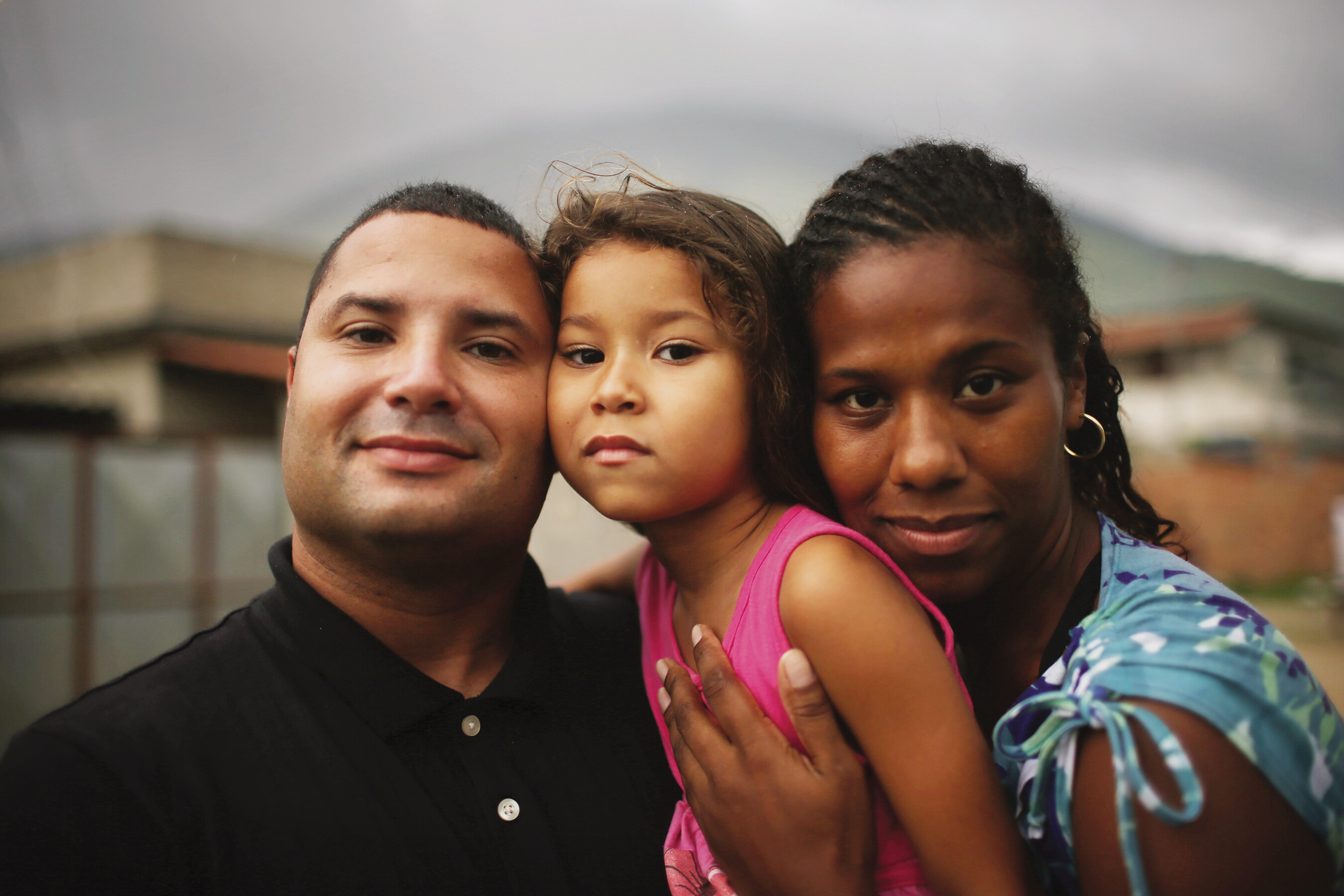
Race is a powerful influence on social stratification in Brazil, where the situation is even more complex than in the United States. Brazil is a remarkably diverse nation. The early settlers in the area were mainly European, and with their arrival, the number of native inhabitants declined sharply as a result of violence and disease. Through the mid-1800s, enslaved people from Africa were forcibly imported, and in the twentieth century, a new wave of immigrants arrived from Asia and the Middle East. For much of Brazilian history, the European whites enjoyed a privileged status. However, as people from different races married and raised children, new racial categories emerged. Intermarriage may have eliminated clearly defined racial groups, but skin color still largely defines an individual’s place in society, with light-skinned Brazilians enjoying privileges of wealth and power denied to their dark-skinned counterparts. Contemporary critics have referred to this inequality as racismo cordial, or “polite racism.”
More information
In a photograph, a Brazilian family of three shares an embrace. The father has lighter skin, while the mother has darker skin. Between them, they hold their young daughter.
Polite RacismWhile intermarriage has eliminated distinct racial groups, Brazil remains stratified by race.
IRAN
The basis for social stratification in Iran has undergone radical changes since the Islamic Revolution in 1979, which transformed the country from a constitutional monarchy to a theocracy. Before the revolution, political and economic power was concentrated in the upper class, made up of landowners, industrialists, and business executives; the middle class consisted of entrepreneurs, small-business owners, merchants, and members of the civil service. Economic mobility was an option largely for those with secular values and a Western education. After the revolution, however, religion became a primary influence on stratification. Many members of the civil service who were not Muslim or who held Western university degrees were forced into exile; those who remained were required to attend special classes on Islamic law. Strict observance of Islamic law and custom has become a prerequisite for maintaining one’s social position, and many of the new political elites are religious leaders.
SWEDEN
Sweden has deliberately attempted to craft a system that lessens social inequality, a policy made somewhat easier, perhaps, by the country’s relative homogeneity of race, ethnicity, and religion. Sweden provides its citizens with a far greater number of social services than the United States does: The government guarantees its citizens a high level of access to health care, education, child and elderly care, and unemployment benefits. To furnish such programs, taxes are high, with a top taxation rate of 60 percent. Although the Swedish system certainly has its problems, there are demonstrated benefits, including increased life expectancy and literacy, and decreased infant mortality, homelessness, poverty, and crime.
MEXICO
In Mexico, an additional variable comes into play when thinking about inequality: Indigeneity. Indigenous civilizations such as the Nahua, Maya, Zapotec, and Mixtec populated the region for millennia before Europeans arrived in the sixteenth century. Today, almost 60 percent of Mexicans identify as mestizo (mixed), a combination of European and Indigenous ancestry. About 20 percent identify as Indigenous only. For contemporary Indigenous and mestizo Mexicans, “dark skin does not go away,” and that indicator of Indigeneity can still be considered a disadvantage in Mexican society (Flores and Telles 2012). Mexicans with lighter skin have higher educational attainment and earn more money than their darker-skinned compatriots, and researchers suggest that anti-Indigenous discrimination is the cause (Campus-Vazquez and Medina-Cortina 2019). Indigenous rights movements have gained traction in Mexico in recent years, and some Indigenous rights have been codified in the Mexican Constitution.
 CHECK YOUR UNDERSTANDING QUESTIONS