Since culture is such a broad concept, it is more easily grasped if we break it down into its constituent parts. Sociologists conceive of culture as consisting of two major categories: material culture and nonmaterial culture.
Material Culture
Material culture is any physical object to which we give social meaning: art and artifacts, tools and utensils, machines and weapons, clothing and furniture, buildings and toys—the list is immense. Any physical thing that people create, use, or appreciate might be considered material culture.
Examining material culture can tell us a great deal about a particular group or society. Just look around you, whether in your dorm room, a library, a coffeehouse, or a park—there should be many items that you can identify as belonging to material culture. Start with your own clothes and accessories and then extend your observations to your surroundings—the room, building, landscaping, street, neighborhood, community, and farther outward. For instance, the designer label on a woman’s purse might convey that she follows the current fashion trends, or the athletic logo on a man’s T-shirt might tell us that he is into skateboarding. Likewise, the carpeting, light fixtures, furniture, and artwork in a building can tell us something about the people who live or work there. And the sports arenas, modes of transportation, historical monuments, and city dumps reveal the characteristics of a community. Perhaps the proliferation of drive-through fast-food restaurants in practically every corner of the United States says something about American tastes and lifestyle: We spend more time on the road, cook fewer meals at home, and prefer the ease and predictability of knowing what we’ll get each time we pull up to our favorite chain. If you were visiting another country, you might see some very different items of material culture.
Studying the significance of material culture is like going on an archaeological dig, but learning about the present rather than the distant past. Let’s take as an example a sociological “dig” in Santa Barbara, California, where one of the authors of this book lives. Local leaders there have been active in preserving the image of the city, particularly in its downtown historical area. The original mission, presidio (military post), courthouse, and other landmarks built by early Spanish settlers are all still intact. Although the town has grown up around these buildings, zoning regulations require that new construction fit with the distinctive Mediterranean architecture of the “red tile roof” district. The size and design are restricted, as are the use of signs, lighting, paint, and landscaping. Thus, the newly built grocery store with its textured stucco walls, tile murals, and arched porticos may be difficult to distinguish from the century-old post office a few blocks away. By studying its material culture, we can see how Santa Barbara manages to preserve its history and heritage and successfully resist the pressures of encroaching urban development. The distinctive “old California” look and feel of the city is perhaps its greatest charm, something that appeals to locals and a steady flock of tourists alike.
Material Culture and the Architecture of Santa Barbara Local leaders have preserved the city’s history and resisted the pressures of encroaching urban development by insisting on maintaining the look of “old California.”
Nonmaterial Culture
Nonmaterial culture reflects the ideas and beliefs of a group of people. It can be something as specific as a certain rule or custom, such as driving on the right side of the road in the United States and on the left side in the United Kingdom. It can also be a broad social system, such as democracy, or a large-scale social pattern, such as marriage. Because nonmaterial culture is so important to social life, let’s look further at some of its main components.
COMMUNICATION: SIGNS, GESTURES, AND LANGUAGE
One of the most important functions of nonmaterial culture is to allow us to communicate—through signs, gestures, and language. These form the basis of social interaction and are the foundation of culture.
Signs (or symbols) such as traffic signals, price tags, notes on sheet music, or product logos have all been designed to meaningfully represent something else. They all convey information. Numbers and letters are the most common signs, but you are probably familiar with lots of other graphic symbols indicating, for instance, which is the men’s or women’s restroom or whether it’s gender neutral, where the elevator is going, how to pause the video you’re watching, or in which lane you should be driving.
While we can easily take for granted the meaning of most symbols, others we may have to learn when we first encounter them. Some symbols may be nearly universal, while others may be particular to a given culture. It may take some interpretive work to understand what a sign means if you are unfamiliar with the context in which it is displayed.
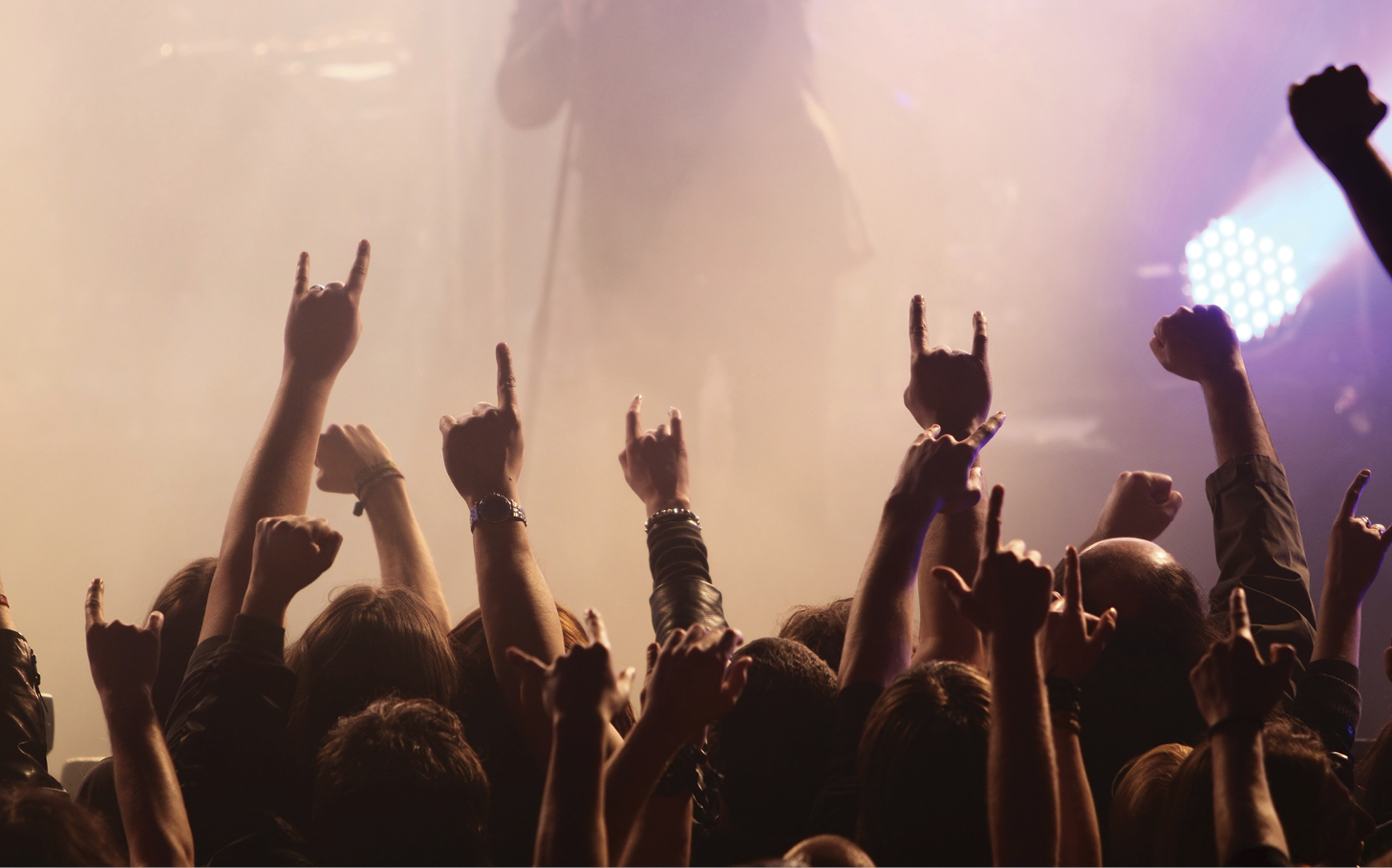
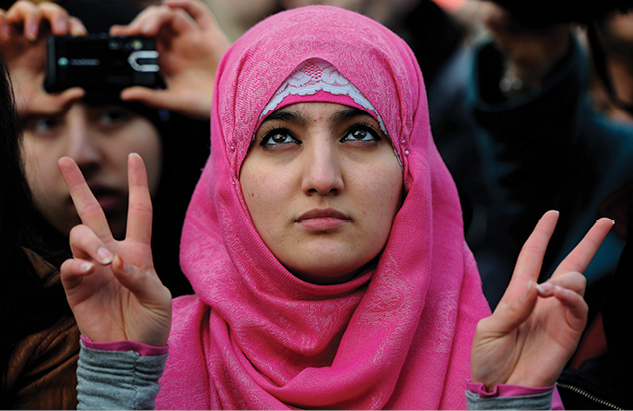
Gestures and Body Language If you travel to a foreign country, pay special attention to how others interpret your body language. Common friendly gestures in one culture can be offensive or confusing in another.
Take emojis, for instance, those cute (or devious) little expressions that we can add to our text messages and social media posts. Originally developed in Japan, where the word emoji means “pictograph,” these symbols have become ubiquitous around the world. Over 1,000 emojis are now recognized as part of the Unicode Standard for computing, and more are being added every year. Recently, the human emojis (or emoticons) were modified so that you could choose among a range of skin tones and hair colors in an attempt to better represent our diversity. Although emojis are widely used, not every emoji is understood in the same way by all people. The sleepy face emoji is one of the most confusing; because it has a water drop between the eyes and mouth, most people think it’s crying, but in fact that’s not a tear but rather a droplet of drool, which is supposed to indicate sleeping.
Gestures are signs made with the body—clapping, nodding, smiling, or any number of facial expressions. Sometimes, these acts are referred to as “body language” or “nonverbal communication,” since they don’t require any words. Gestures can be as subtle as a knowing glance or as obvious as a raised fist. Most of the time, we can assume that other people will get what we are trying to say with our gestures. But, while gestures might seem natural and universal, just a matter of common sense, few of them besides those that represent basic emotions are innate; most have to be learned. For instance, the “thumbs-up” sign, which is associated with praise or approval in the United States, might be interpreted as an obscene or insulting gesture in parts of Asia or South America. Every culture has its own way of expressing praise and insulting others. So, before leaving for a country whose culture is unfamiliar, it’s worth finding out whether shaking hands and waving goodbye are appropriate ways to communicate.
Language, probably the most significant component of culture, is what has allowed us to fully develop and express ourselves as human beings. Although language varies from culture to culture, it is a human universal and present in all societies. It is one of the most complex, fluid, and creative symbol systems: Letters or pictograms are combined to form words, and words combined to form sentences, in an almost infinite number of possible ways.
Language is the basis of culture and the primary means through which we communicate with one another. It allows us to convey complicated abstract concepts and to pass along a culture from one generation to the next. Language helps us conceive of the past and plan for the future; categorize the people, places, and things around us; and share our perspectives on reality. In this way, the cumulative experience of a group of people—their culture—can be contained in and presented through language.
Language is so important that many have argued that it shapes not only our communication but our perception—the way that we see things—as well. In the 1930s, anthropologists Edward Sapir and Benjamin Lee Whorf conducted research on the impact of language on the mind. In working with the Hopi tribe in the American Southwest, the anthropologists claimed to have discovered that the Hopi had no words to distinguish the past, present, or future and that, therefore, they did not “see” or experience time in the same way as those whose language provided such words. The result of this research was the development of what is known as the Sapir-Whorf hypothesis (sometimes referred to as the principle of linguistic relativity). Their hypothesis broke from traditional understandings about language by asserting that language actually structures thought. We can understand how perceiving things in the world suggests the need for words with which to express what is perceived; but the Sapir-Whorf hypothesis goes further in suggesting that the words themselves help create those same perceptions (Sapir 1949; Whorf 1956). In this case, the Hopi’s use of words that did not distinguish among the past, present, and future helped inform their perception of time.
The studies by Sapir and Whorf were not published until the 1950s, when they were met with competing linguistic theories. In particular, the idea that the Inuit had many more words for snow than people of Western cultures was sharply challenged, as was the notion that the Hopi had no words for future or past tense (Martin 1986; Pullum 1991). Although there is still some disagreement about how strongly language influences thought (Edgerton 1992), the ideas behind the Sapir-Whorf hypothesis continue to influence numerous social thinkers. Language does play a significant role in how people construct a sense of reality and how they categorize the people, places, and things around them. In a country like the United States, where there are more than 44 million foreign-born people, who speak well over 100 different languages, there are bound to be differences in perceptual realities as a result (Budiman 2020).
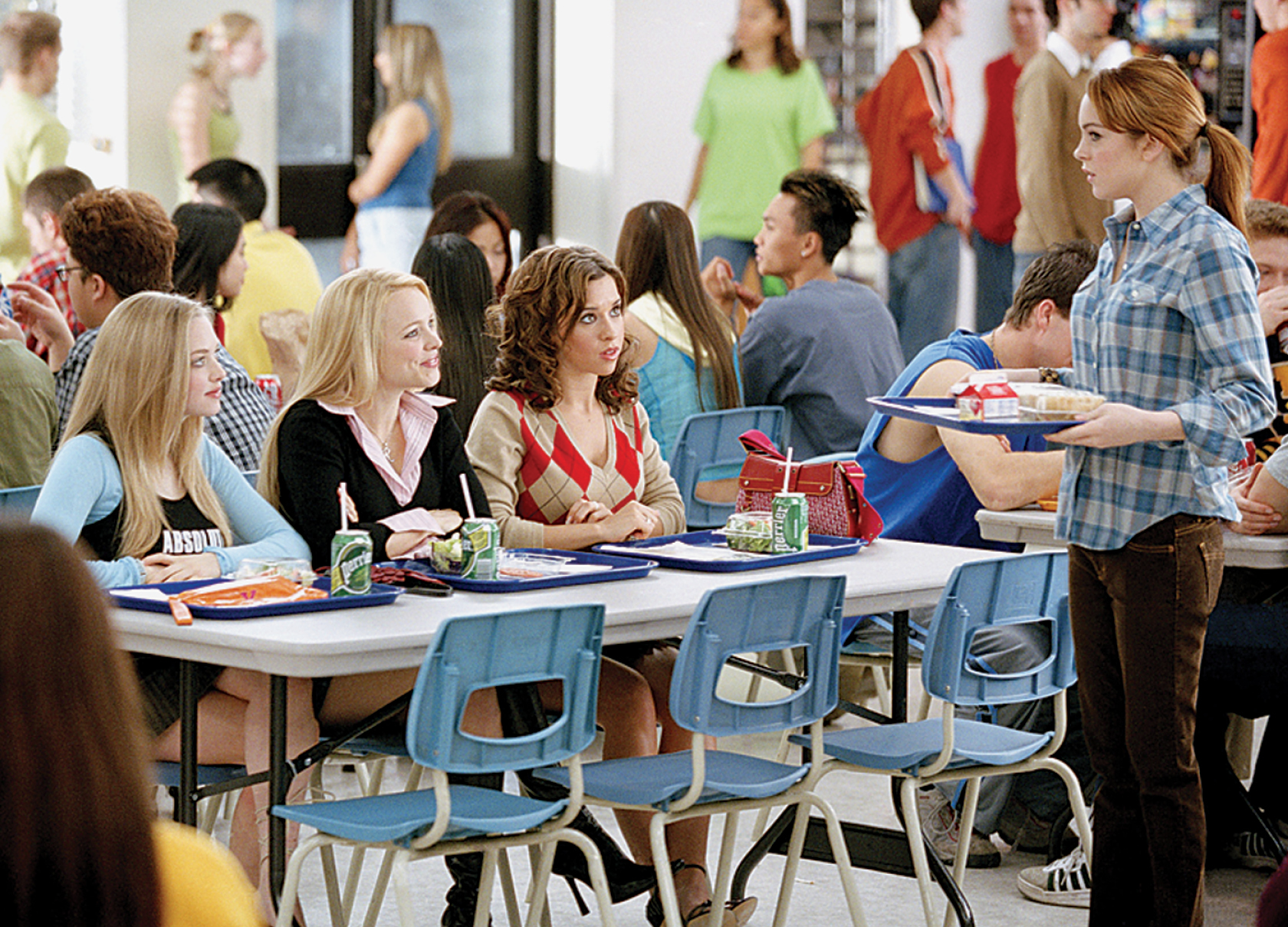
Does the Sapir-Whorf hypothesis hold true for your world? Let’s take an example closer to home. Perhaps you have seen the movie Mean Girls, loosely based on a pop sociology book by Rosalind Wiseman, Queen Bees and Wannabes, about the culture of high school girls (2002). Both book and film present a social map of the cafeteria and school grounds, identifying where different groups of students—the “jocks,” “cheerleaders,” “goths,” “preppies,” “skaters,” “nerds,” “hacky-sack kids,” “easy girls,” and “partiers”—hang out. The book also includes the “populars” (referred to in the movie as the “plastics”) and the popular “wannabes.”
The Cafeteria Classification System A scene from Mean Girls illustrates the different classification schemes that are used to identify and categorize the world around us.
You were probably aware of similar categories for distinguishing groups at your school. Do such classification systems influence the way you see other people? Do they lead you to identify people by type and place them into those categories? If no such labels existed (or if your school had different labels), would you still perceive your former classmates the same way? Probably not. These kinds of questions highlight how important language is to the meanings we give to our everyday world.
Values, Norms, and Sanctions
Values and norms are nonmaterial culture in thought and action. When we know the values of a particular group and see how individuals are controlled by its social norms, then we can appreciate a group’s beliefs and ideals and find the evidence of these throughout members’ everyday lives.
VALUES
Values are the set of shared beliefs that a group of people considers to be worthwhile or desirable in life—what is good or bad, right or wrong, beautiful or ugly. They articulate the essence of everything that a cultural group cherishes in its society. For instance, most Americans value the equality and individual freedoms of democracy. Structural functionalists, such as Durkheim, stress the strength of shared values and their role in regulating the behavior of society’s members. However, there is not always widespread agreement about which values should represent a society, and values may change or new values may emerge over time. For example, workers’ loyalty to their company was once much more important than it is now. In today’s economy, workers realize that they may be “downsized” in times of financial trouble or that they may change careers over the course of their lifetime, and hence they feel less obligation to an employer.
NORMS
Norms are the rules and guidelines regarding what kinds of behavior are acceptable; they develop directly out of a culture’s value system. Whether legal regulations or just social expectations, norms are largely agreed upon by most members of a group. Some norms are formal, which means they are officially codified and explicitly stated. These include laws such as those making it illegal to speed in a school zone or drink before you turn twenty-one. Other formal norms include the rules for playing basketball or the requirements for membership in your college’s honor society, the rights secured by the amendments to the U.S. Constitution, and the behavioral prescriptions conveyed in the Ten Commandments. Despite the relative authority of formal norms, they are not always followed.
Other norms are informal, meaning that they are implicit and unspoken. For instance, when we wait in line to buy tickets for a movie, we expect that no one will cut in front of us. Informal norms are so much a part of our assumptions about life that they are embedded in our consciousness; they cover almost every aspect of our social lives, from what we say and do to even how we think and feel. Though we might have difficulty listing all the norms that are a part of everyday life, most of us have learned them quite well. They are simply “the way things are done.” Often, it is only when norms are violated (as when someone cuts in line) that we recognize they exist.
Table 3.1 Theory in Everyday Life
Perspective
Approach to Culture
Case Study: Religion
Structural Functionalism
Values and norms are widely shared and agreed upon; they contribute to social stability by reinforcing common bonds and constraining individual behavior.
Religion is an important social institution that functions as the basis for the morals and ethics that followers embrace and that are applied to both society and the individual, thus promoting social order.
Conflict Theory
Values and norms are part of the dominant culture and tend to represent and protect the interests of the most powerful groups in society.
Religion serves to control the masses by creating rules for behavior; sanctions against violators may not be equally or fairly applied. Culture wars reflect tensions among groups over which values and norms will dominate.
Symbolic Interactionism
Values and norms are social constructions that may vary over time and in different contexts; meaning is created, maintained, and changed through ongoing social interaction.
Religion consists of beliefs and rituals that are part of the interaction among followers. Reciting the Lord’s Prayer, bowing toward Mecca, and keeping a kosher home are meaningful displays of different religious values and norms. Leaders may play a role in creating social change.
Norms can be broken down further into three types. Folkways are the ordinary conventions of everyday life about what is acceptable or proper and are not always strictly enforced. Folkways are the customary ways that people do things, and they ensure smooth and orderly social interactions. Examples are standards of dress and rules of etiquette: In most places, wearing flip-flops with a business suit and eating with your fingers from the buffet line are just not done! When people do not conform to folkways, they are thought of as peculiar or eccentric but not necessarily dangerous.
IN RELATIONSHIPS
SHOWHIDE
Individual Values vs. University Culture
Let’s talk about sex on campus.
At many public, state-funded colleges and universities, like the ones where both Dr. Ferris and Dr. Stein work, the norm is to provide on-campus sexual health services for students, including a wide range of contraceptive choices, STI (sexually transmitted infection) testing and treatment, and pregnancy testing. Does your college health services center offer these services, too?
In fact, many private colleges and universities do not offer students the full range of sexual health-care services, and some offer none at all. For example, Gonzaga University in Spokane, Washington, offers no contraceptive benefits to students but does cover STIs. At Georgetown University, the student health center will prescribe contraceptives if medically indicated but not directly for contraception. While only a small percentage of Catholic universities in the United States offer any kind of contraception to students, there has been some pushback at campuses such as Fordham University and Boston College, especially since the passage of the Affordable Care Act, which mandates coverage (Catholics for a Free Choice 2002; Edwards-Levy 2012).
It’s harder to generalize about non-Catholic religious schools: Brigham Young University in Salt Lake City and Texas Christian University in Fort Worth, for example, do offer contraception to students, while Liberty University in Virginia and Eastern Nazarene College in Massachusetts don’t appear to offer any birth control services. Schools without religious affiliations are more likely to offer contraceptive services if they have a student health center, but these are not found on all campuses.
Universities have their own cultures that include traditions, customs, beliefs, and values, just like any other cultural group. This means that some of your most personal, private, individual choices may have already been made for you (or at least made more complicated for you) by your school. Some universities borrow their cultural values from the larger organizations (such as religious groups) that sponsor them; even unaffiliated schools have statements of their institutional values on their websites. These institutional values may conflict with student culture. For example, at Boston College, Students for Sexual Health is prohibited from operating on campus despite a 2018 referendum in which 94 percent of students voted in favor of allowing the group to distribute contraception (Hunt 2018).
If your university’s institutional values and your individual values are different, you may find yourself in a situation where the university has some unanticipated control over your everyday life and personal relationships. Schools can mandate who your dorm roommate can be (and whether you can room with someone you know, or someone of the same or opposite sex); they can make and enforce rules about your academic and athletic activities; they can decide what kind of health-care services you can get on campus. They can even influence your sex life.
University Culture Like other cultural groups, universities have traditions, customs, beliefs, and values that can affect students’ everyday lives.
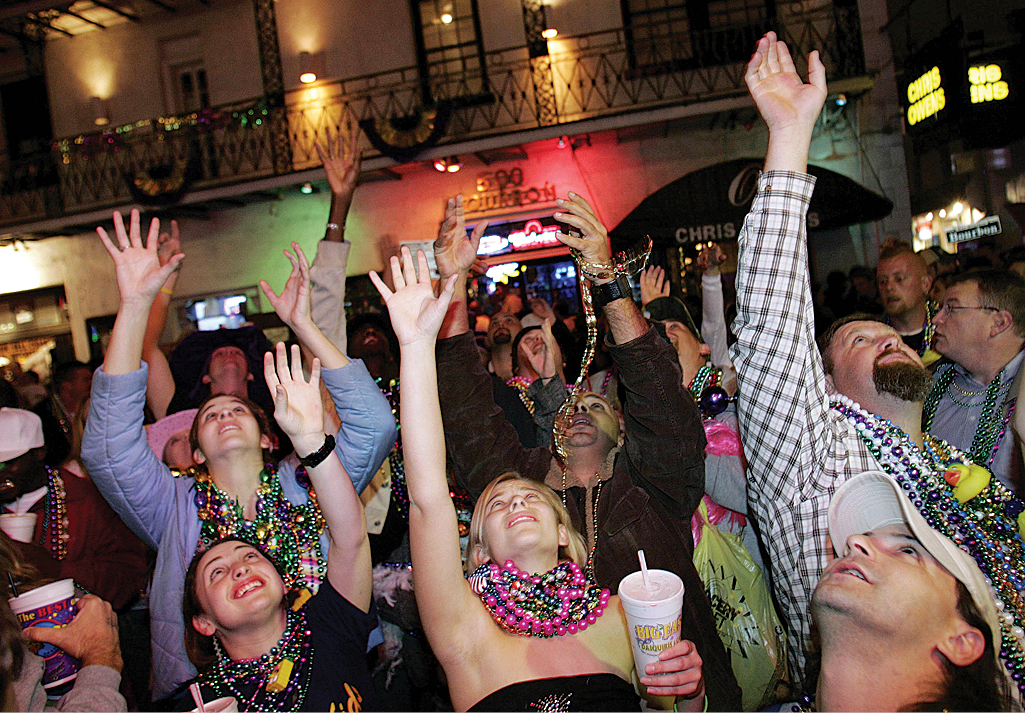
Norms Are Specific to a Situation, Culture, and Time Period For example, Mardi Gras and spring break are often considered “moral holidays,” times when mild norm violations are tolerated.
Mores are norms that carry a greater moral significance and are more closely related to the core values of a cultural group. Unlike folkways, mores are norms to which practically everyone is expected to conform. Breaches are treated seriously and in some cases can bring severe repercussions. Such mores as the prohibition of theft, rape, and murder are also formalized so that there is not only public condemnation for such acts but also strict laws against them. Taboos, actually a type of mores, are the most powerful of all norms. We sometimes use the word in a casual way to indicate, say, a forbidden subject. But as a sociological term it holds even greater meaning. Taboos are extremely serious. Sociologists say that our sense of what is taboo is so deeply ingrained that the very thought of committing a taboo act, such as cannibalism or incest, evokes strong feelings of disgust or horror.
Norms are specific to a culture, time period, and situation. What are folkways to one group might be mores to another. For instance, public nudity is acceptable in many cultures, whereas it is not only frowned upon in American culture but also illegal in most instances. At the same time, Americans do permit nudity in such situations as strip clubs and nudist resorts, allowing for a kind of moral holiday from the strictures of imposed norms. At certain times, such as Mardi Gras and spring break, mild norm violations are tolerated. Certain places may also lend themselves to the suspension of norms—think Las Vegas (and the slogan “What happens in Vegas, stays in Vegas”).
Similarly, what would be considered murder on the city streets might be regarded as valor on the battlefield. And we are probably all aware of how the folkways about proper etiquette and attire can vary greatly from one generation to the next; fifty years ago, girls were just starting to wear jeans to school, for example. Now they come to school in all sorts of casual attire, including pajama bottoms and slippers.
SANCTIONS
Sanctions are a means of enforcing norms. They include rewards for conformity and punishments for violations. Positive sanctions express approval and may come in the form of a handshake, a smile, praise, or perhaps an award. Negative sanctions express disapproval and may come in the form of a frown, harsh words, or perhaps a fine or incarceration.
From a functionalist perspective, we can see how sanctions help establish social control, ensuring that people behave to some degree in acceptable ways and thus promoting social cohesion. There are many forms of authority in our culture—from the government and police to school administrators, work supervisors, and even parents. Each has a certain amount of power that it can exercise to get others to follow its rules. So, when someone is caught violating a norm, there is usually some prescribed sanction that will then be administered, serving as a deterrent to that behavior.
Covid and Culture
When the Covid-19 pandemic hit the United States in March 2020, its impact was felt immediately. Our lives changed and so, too, did our daily reality. In response, new types of material and nonmaterial culture emerged.
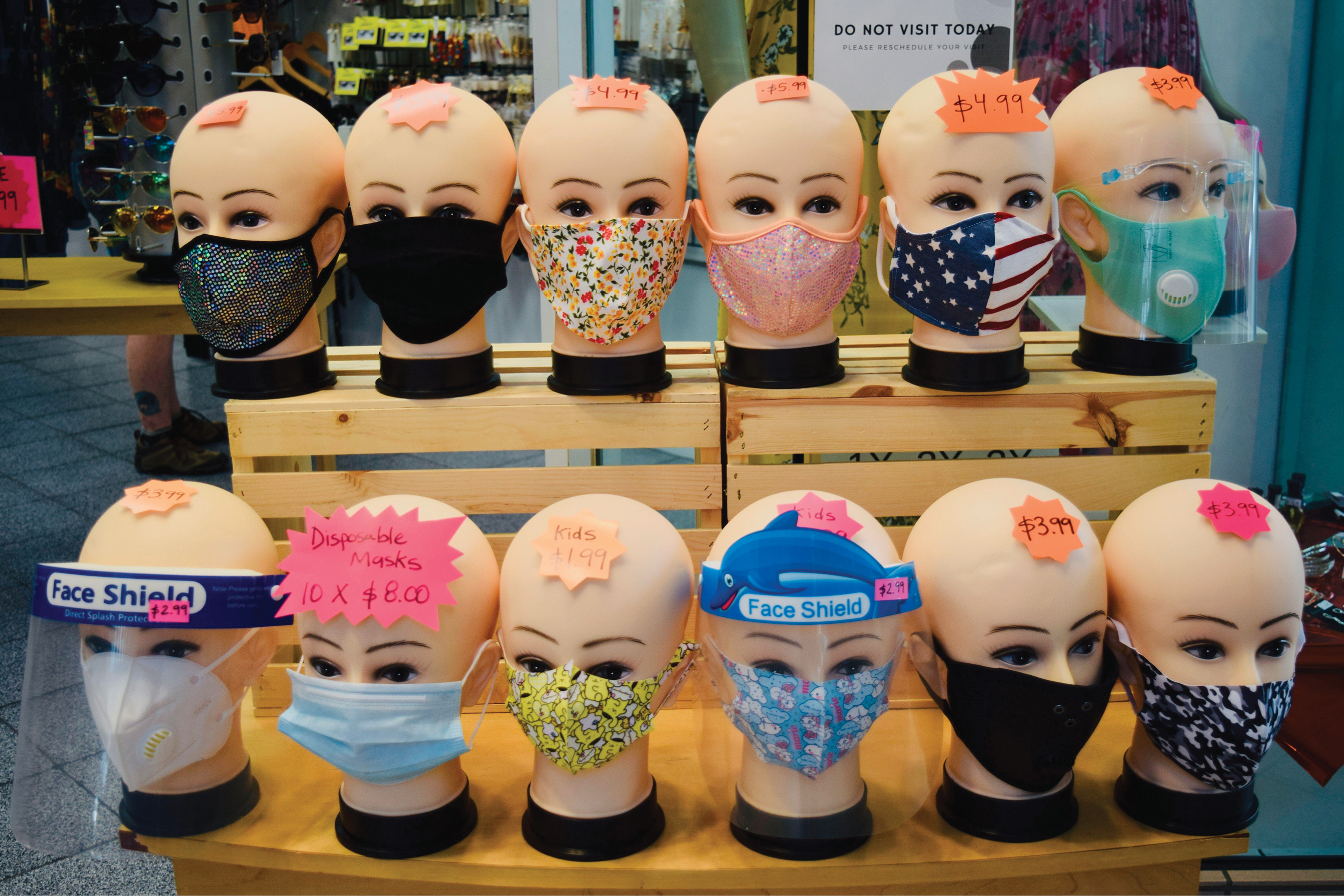
Perhaps the most obvious new form of material culture, quite literally, was face masks. As one of the most effective ways to protect against the spread of the virus, cloth or paper face coverings went from relatively uncommon prior to the pandemic to ubiquitous. Initially, people made their own or scrambled to find them online, but soon they were being sold widely. Gloves, hand sanitizer, and disinfecting wipes were also in high demand, so much so that product shortages were commonplace for months. All these items of material culture existed before the pandemic, but they were typically used for other purposes (you might wear an N95 mask for a home construction project, for example, or use disinfecting wipes to clean your bathroom). Seemingly overnight, masks, gloves, and sanitizer became critical—and commonplace—pieces of material culture necessary for pandemic life.
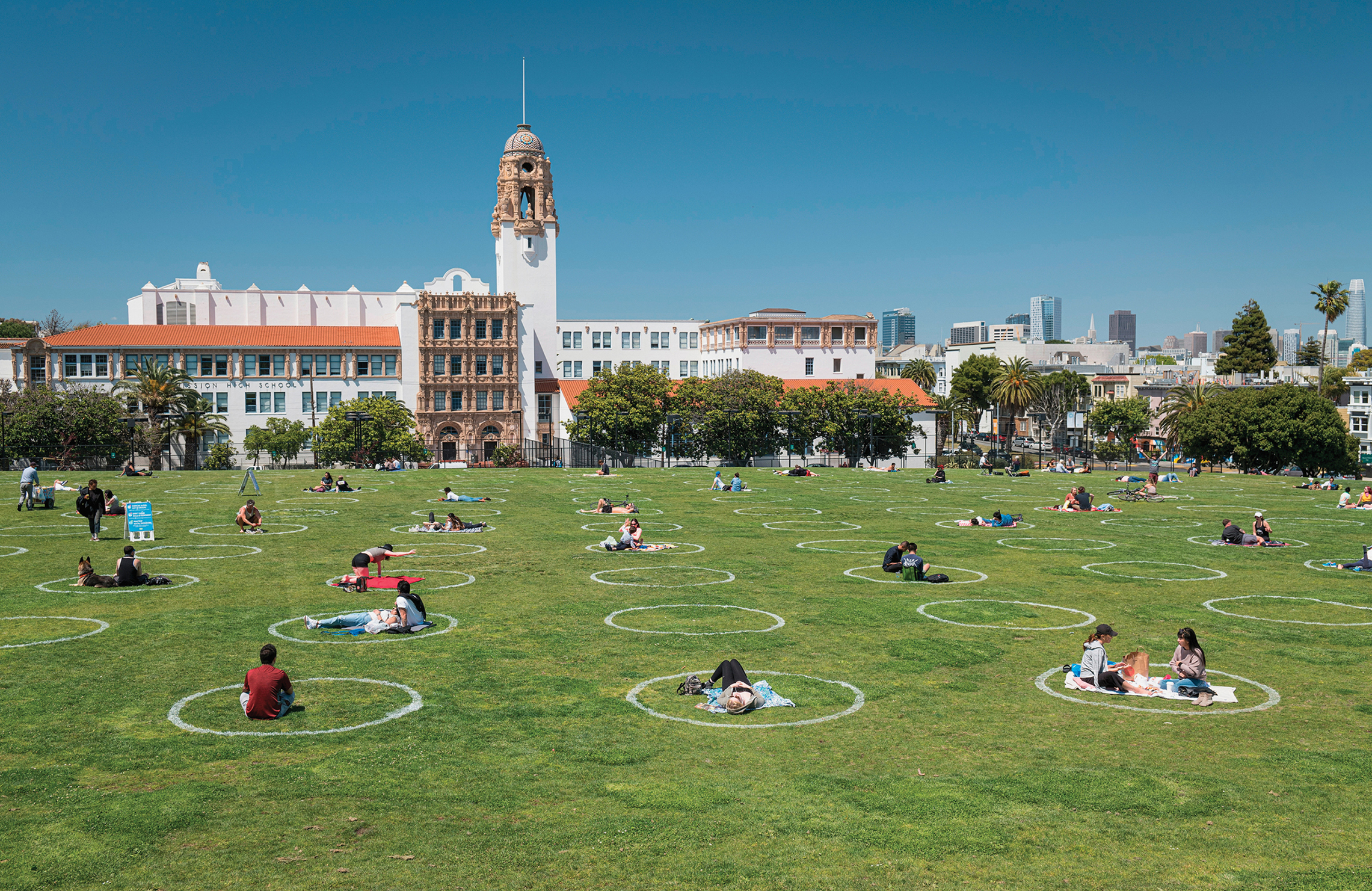
Alongside changes in material culture came new forms of nonmaterial culture, including unfamiliar norms of behavior. To combat an unprecedented health threat, we had to change how we acted. At various points during the pandemic, government agencies issued official stay-at-home orders and lockdowns were imposed, while companies pushed many employees to work from home for long stretches. Suddenly signs were everywhere asking us to wear masks and practice social or physical distancing by staying six feet apart from other people. Some people cut down their use of public transportation, opting to ride bikes instead, and there were new rules for how to use the park or playground, or shop at the grocery store or pharmacy. We were all learning lots of new informal norms for how best to wash our hands, how to wear a mask properly, and even how to stand in line.
Norms generally derive from values, and the new norms ushered in by the pandemic exposed ways that American values can clash. Because of values such as respect for authority and belief in science, many people embraced these policies. Many also were inspired by a sense of community and collective solidarity—that we were all in this together. But for some, requirements to wear masks or otherwise change their behavior were inconsistent with existing American values like individualism and personal freedom. Some objected to what they saw as governmental overreach into their personal lives, while others questioned the very science. In particular, the pandemic exposed growing divisions between conservative and liberal Americans. Because conservative Americans place more value on individualism and personal freedom and oppose big government, Republicans and Republican-leaning Americans were significantly less likely than Democrats or Democratic-leaning Americans to say that people should always wear masks in public (29 percent versus 63 percent) (Pew Research Center 2020b).
In order to maintain social control, norms of behavior are often enforced with sanctions. In certain areas of the country, police or other authorities were tasked with educating the public and encouraging conformity with mask-wearing and social-distancing norms. Some cities enforced these with negative sanctions, including fines. Many businesses posted “No mask, no service” signs, and workers were charged with making sure customers and clients complied. There was not always agreement or widespread adherence, and ongoing disputes about values and norms revealed deep divides within the larger culture during the pandemic.
Material Culture during Covid Items such as face masks and face shields became ubiquitous during the pandemic.
DATA WORKSHOP
SHOWHIDE
Analyzing Media and Pop Culture
New Pandemic Norms
When it first emerged in the United States in early 2020, the coronavirus brought with it a whole new set of social norms: new rules and regulations that were designed to replace our old norms and restrict our behavior to help protect us from Covid-19. And you know what that means: With new rules come a whole bunch of new ways to break the rules, too. Sometimes it’s hard to identify the norms that guide our behavior, especially if they are informal norms rather than written laws. In this case, though, we all watched while these new norms were created, implemented, revised, and enforced.
In this Data Workshop, you will examine a pandemic norm using existing sources, including official documents produced by local, state, and/or national agencies; publicly available business or university policy statements; or national newspapers or other news sources. Return to Chapter 2 for a review of this research method. You will use these sources to answer the following questions. Provide as much detail as you can about the specifications of the new norm you select, and keep a list of the sources you use to answer each question.
Identify a new pandemic-related norm in our society. You will need to find a source that provides a public statement of the introduction of this norm. That could be a document on the county health department’s website, the text of a new law, a sign hanging in the window of a restaurant, the letter your school sent stating expectations for student behavior during the pandemic, or something similar.
Was it a formal norm (like a new law) or an informal rule (a new nonlegal rule)? This information is usually discernible from the statement you selected in response to Question 1.
What was the source of this new norm? Was it a state or federal law? A local custom? A widespread medical protocol? A store or university policy? In other words, where did the statement in Question 1 originate? Who was “speaking” through the institution of this new norm?
To whom did this new norm apply? Everyone, or only certain workers or students? Those with symptoms of Covid-19? Those without symptoms? Again, this information may be available in the original statement of the norm, but if it isn’t, you may be able to find it in other types of documentation or in news coverage about the norm.
In what settings or situations did this new norm apply? Everywhere? Only in outdoor spaces? Only in certain businesses, classrooms, or medical settings? In public transportation or private homes? This information may also be available in the original statement, or you may have to consult other documents to find it.Nonmaterial Culture during Covid Social or physical distancing became the norm for behavior in public places. We learned to stay at least six feet apart from each other.
Now discuss the practices that developed in response to this norm. This will usually require consulting news sources to see how people responded to the new norm.
Did people abide by the new norm or violate it? Which people, and under what circumstances? Find a news source that describes how people responded to the norm.
How did people respond to violations? Was there any official response (from police, public health authorities, employers, or university administrators)? Was the response mostly unofficial? What did the response look like? This information is also likely to be found in some kind of news source or perhaps in an internal publication of the entity (business, school, etc.) that instituted the new norm.
What kind of sanctions (if any) resulted? Were there any rewards for abiding by the norm, punishments for violating it, or both? If the new norm was a law or an official policy of a school or business, the sanctions may have been spelled out in the text of the law or the policy statement. If it was an informal norm, the sanctions may also have been informal and hence are more likely to have been reported on in a news item than explicitly stated on paper.
How were our individual or group identities shaped by this norm? How were we defined by others for abiding by or violating this norm? Did this norm have any stigmatizing power? This information will likely be found in news coverage of responses to the new norm.
There are two options for completing this Data Workshop:
PREP-PAIR-SHARE
Do the research outlined in the list of questions and bring your notes and sources with you to class for reference. Discuss your findings in whatever forum your instructor sets up for this workshop, paying special attention to the types of sources you and your fellow students analyzed for the assignment.
DO-IT-YOURSELF
Write a two- to three-page essay analyzing your findings and the sources you consulted in order to attain those findings. Make sure to include a list of those sources as an attachment to your essay.
the objects associated with a cultural group, such as tools, machines, utensils, buildings, and artwork; any physical object to which we give social meaning
the ideas associated with a cultural group, including ways of thinking (beliefs, values, and assumptions) and ways of behaving (norms, interactions, and communication)
a system of communication using vocal sounds, gestures, or written symbols; the basis of nonmaterial culture and the primary means through which we communicate with one another and perpetuate our culture
rules or guidelines regarding what kinds of behavior are acceptable and appropriate within a particular culture; these typically emanate from the group’s values
norms that carry great moral significance, are closely related to the core values of a cultural group, and often involve severe repercussions for violators