1
A Sociology of the Family
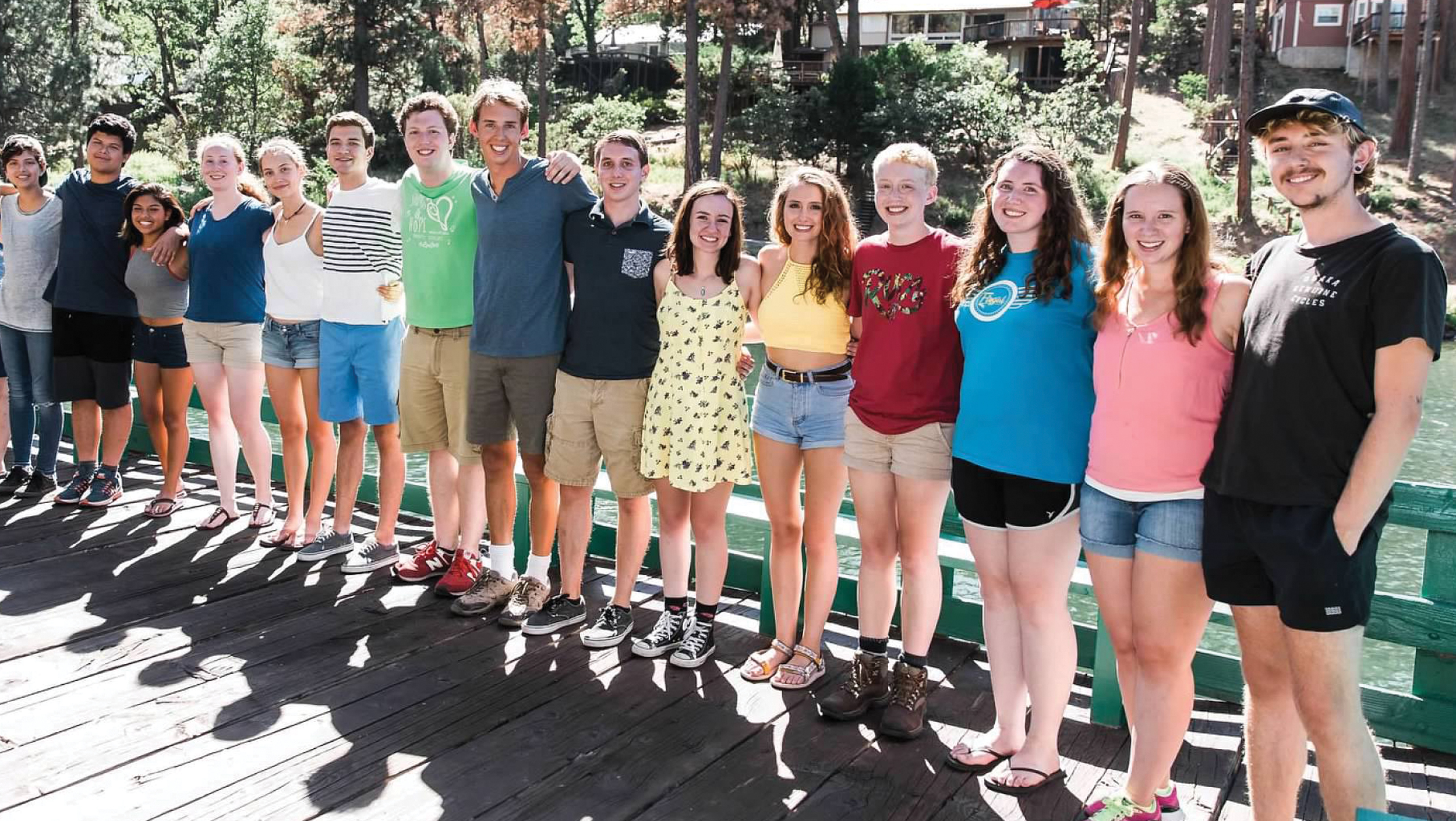
Americans have a long-standing interest in genealogy—the study of ancestry and family history—looking back through the generations for a feeling of connection to a larger family tree. They may search for links to early colonial settlers or immigrants, try to unearth the painful past of slavery among their ancestors, or maybe gain a piece of a long-lost family fortune. Traditionally, this involved research into family archives and public libraries, but recently such sleuths are using genetic tests to trace their family trees. More than 26 million Americans have had their DNA analyzed by a commercial service such as 23andMe or Ancestry (Regalado 2019). Even when the link is literally microscopic, it can help establish strong family ties. That was the case for 13 biological children of Tim Gullicksen, a San Francisco man who donated to a sperm bank in the 1990s. Thanks to consumer DNA databases, the half-siblings have found each other as well as Tim, and he has brought them together for an annual reunion in California. “I just feel really lucky,” said one of the children, 19-year-old Emma Walker, about the reunions. “It was overwhelming in the best of ways. We pulled up in a car, and people just ran up to us and were hugging us” (Zhang 2019).
If technology helps find and foster family connections based on genetic links, it also helps people create families in new ways. That was the case for Andrew and Elad Dvash Banks. The two men, one a citizen of the United States and the other of Israel, got married in Canada and then arranged for a woman to be their surrogate. The woman was inseminated by each of the men, giving birth to twin boys with different biological fathers. The family they created involved two separate father-son genetic pairs, and twins who were gestated together in the same woman’s body. So everyone in the family is connected biologically, but in different ways. Unfortunately, when they tried to move to the United States, the U.S. government demanded a DNA test, and only gave citizenship to the genetic son of Andrew, reasoning that Elad’s son was not born to a U.S. citizen. Their case is still in the courts (Mervosh 2019).
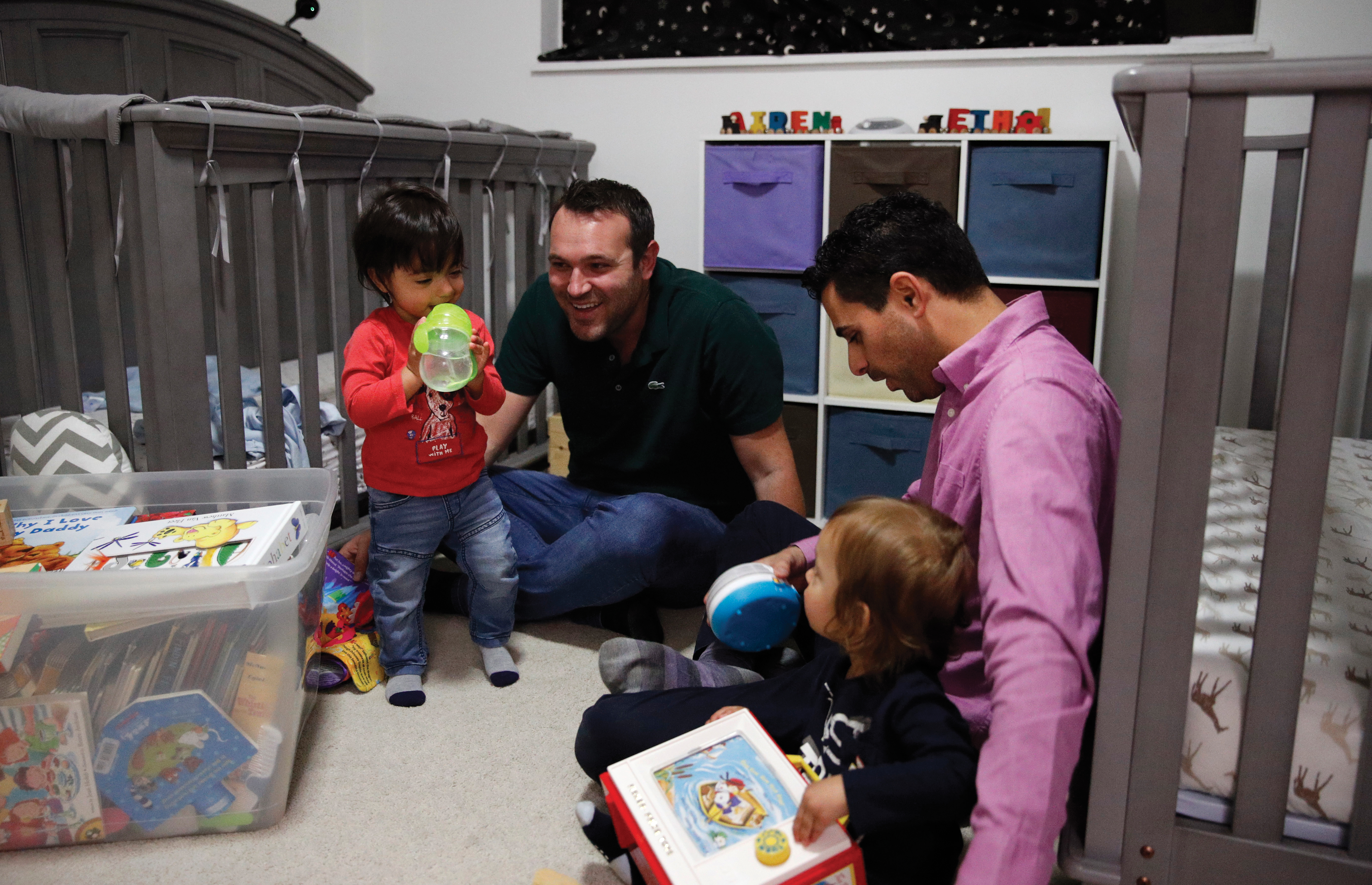
These are examples of how families are what we make them to be. To see how far you can take these symbolic connections, consider a variety of other virtual family members:
- People who have received transplanted organs from dying patients are increasingly becoming involved in the lives of their donors’ families. For example, when Jeni Stepien married Paul Maenner, her father wasn’t available to walk her down the aisle, because he had been murdered 10 years earlier. But the man who received her father’s transplanted heart was there to do the honor. Arthur Thomas, whom the Stepien family had never met before the transplant, carried “a physical piece of my father” down the aisle with her, Stepien said—his new heart. And the wedding photographer snapped a picture of her placing her hand on his chest during the ceremony (Rogers 2016).
- For elderly people with mild dementia, a company called Care Coach sells a virtual “caregiving companion” service, in which a talking pet appears on an iPad app, interacting with its companion 24/7 under the direction of remote staff (who work from Mexico or the Philippines). The companion asks questions about relatives, flips through old family photos, or does other shared activities like reciting Bible verses. And because the Care Coach pet looks and speaks the same way even when it’s operated by different staff members, clients can develop a personal relationship with it over time (Smiley 2017).
- Of course, in a country with more pet dogs (77 million) than children (74 million), animals are an important part of family life, and they are often treated as family members (Burns 2019; U.S. Census Bureau 2019j). On the internet, for example, Americans have posted thousands of photographs showing off their “grandpuppies,” referring not to the offspring of their dogs but to the dogs of their human children.
These examples of the many ways people establish family connections or develop relations that mimic families help illustrate the commonplace reality that our families are what we think they are. And those families, however they are created, are more important to people than anything else, if survey responses are to be believed. When asked to list what is “meaningful, fulfilling or satisfying” in their lives, 69 percent of Americans mentioned their families first (Pew Research Center 2018b). This powerful centrality is at the heart of this book.
Glossary
- genealogy
- The study of ancestry and family history.