OUR HOMININ ANCESTORS
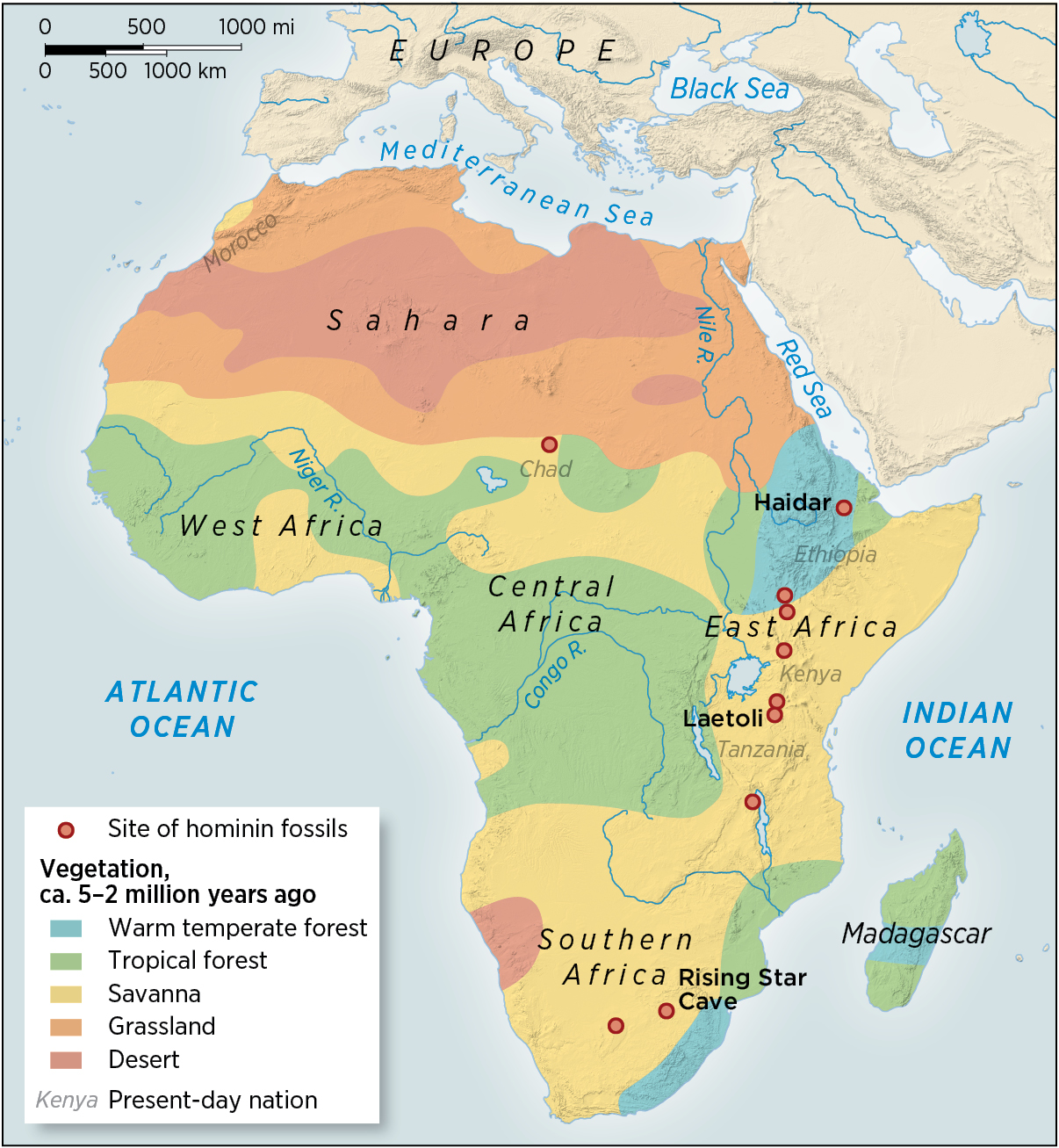
A bewildering variety of hominins roamed the African earth over the last 5 million years. Early hominins had brains, and probably habits, more like chimpanzees’ than like ours today. Fossil hunters have found about 18 different species of hominin, each with a double-barreled, tongue-twisting name such as Australopithecus afarensis, Lucy’s species.
Regrettably, we don’t know much about how our own species evolved over the last 5 or 6 million years. We don’t know whether it happened gradually or in comparatively sudden leaps. We don’t know when the various steps took place, and we don’t know why it happened. The evidence is still too spotty. But there are a few things we can say with some assurance about the evolution of humans. It surely happened in Africa: the earliest remains of hominins have been found mainly in Chad, Ethiopia, and Kenya. Human evolution happened over hundreds of thousands of generations, until, by about 300,000 to 200,000 years ago, our species, Homo sapiens, had definitively emerged somewhere between the areas of modern-day Morocco and Tanzania. And the first big step toward the emergence of our species was standing upright.
BIPEDALISM
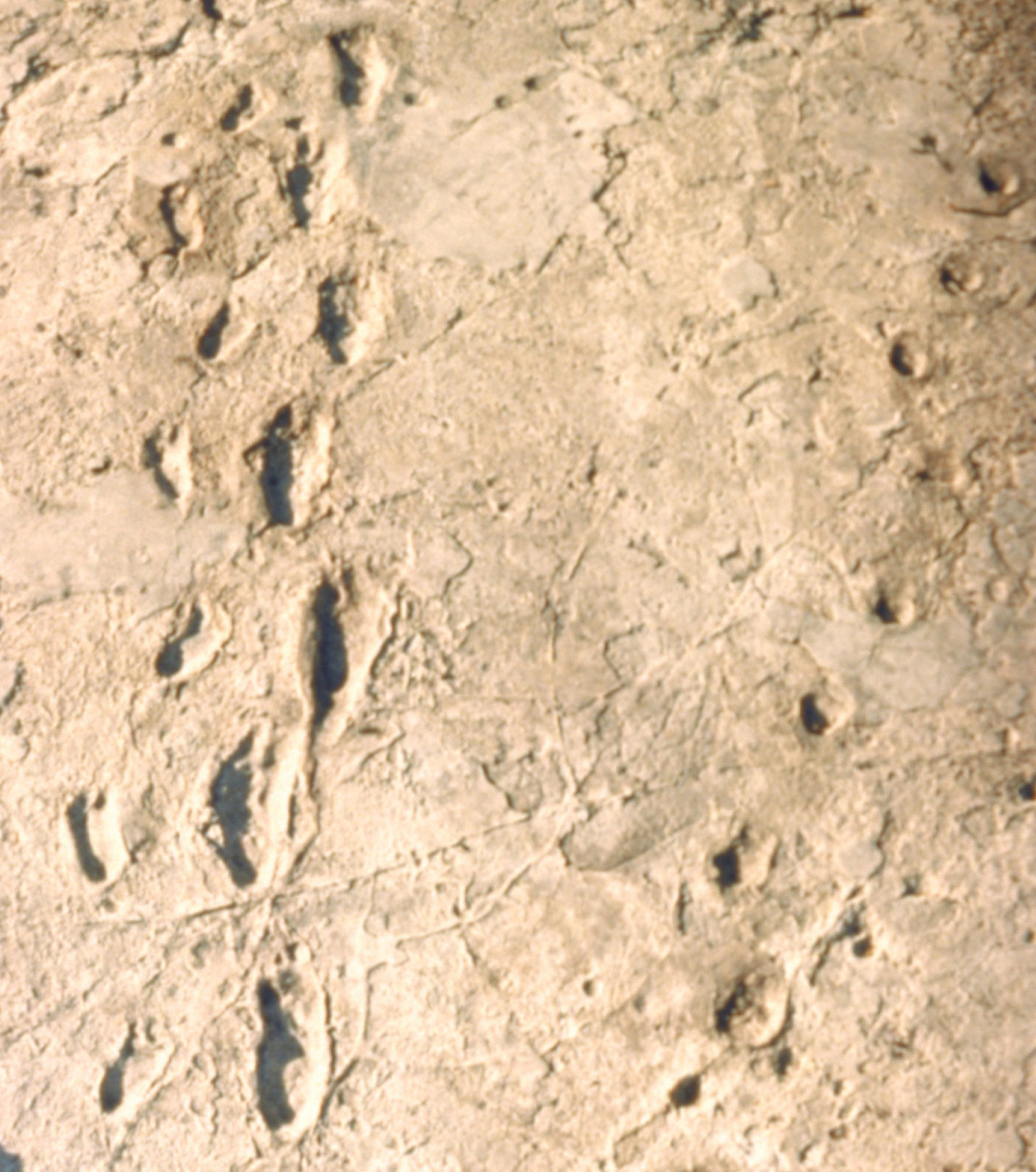
One of the crucial distinctions, and apparently the earliest, that separates our recent ancestors and ourselves from other apes is that we stand and walk upright. Bipedalism evolved about 6 to 4.5 million years ago. It may have been a result of climate change—drier conditions that expanded the savanna and made upright posture more rewarding by affording a better vantage point from which to see opportunities and dangers. It may have developed as a way of shedding heat more efficiently by reducing the amount of midday sunlight that falls on the body and exposing it to more wind. Bipedalism also freed the forelimbs (hands) to carry things or pick fruit from bushes and trees. For one or several of these reasons, natural selection—the process through which genetic traits helpful for survival and reproduction spread over many generations, enabling species to better adapt to their environment—favored bipedalism in hominins. It also favored the development of a fine sense of balance. The first bipedal hominins were short and small-brained, but successful enough as a species to survive for over 2 million years. The most famous among them is Lucy.
After hominins stood up on their hind legs, they eventually became good throwers, walkers, and runners. Anatomical changes, especially to the shoulder, gradually allowed our ancestors to throw hard and accurately. This new skill, which seems to have developed about 2 million years ago, brought many advantages, including the ability to attack edible animals from a safe distance by pelting them with rocks. Safer hunting easily translated into a meatier diet with more protein and fats.
Bipedalism also allowed our ancestors to run better. Many of the changes in our bodies after our ancestors came down from the trees resulted from selection for long-distance walking, trotting, and running prowess: loss of body fur, proliferation of sweat glands, longer legs, narrower waists, arched feet (which provide extra spring) with short toes, neck ligaments that keep our heavy heads from jolting, shoulders that allow our arms to swing free, knees and ankles that serve as shock absorbers.
Thanks to all these bodily changes, humans could (and can) jog long distances in warm weather better than any other animal. Good marathoners today can outrun a horse over 26 miles. While the fastest human sprinters are almost turtle-like over short distances compared to other animals of our African homeland, fit humans can outlast anything on the savanna, even antelopes, mainly because we can keep cool more efficiently by sweating.
As they became good distance walkers and runners, our ancestors could cover more ground; gather, hunt, and scavenge much more food; and sustain larger groups. Improved mobility brought new selective pressures for better memory of terrain, better communication, and better social coordination for actions like getting and sharing food and for defense against predators or rivals. Hominins that somehow were a little better at these tasks stood a much better chance, in the long run, of surviving and reproducing. In this way, bipedalism may have helped stimulate bigger and better brains even as better running and throwing allowed a richer diet that could feed such brains. In short, our bodies probably evolved primarily to jog for hours under the hot sun, while our brains probably evolved to handle complicated social situations.
BIG BRAINS
Our brains are big, complex, and capable. Lucy and her hominin kin had brains the same size as those of modern chimpanzees—much smaller than ours. For Homo sapiens, the ratio of brain size to body size is three times bigger than is normal in the animal kingdom. Our big brains are also amazingly complex, possibly the most complex structures in the universe, with 100 billion cells and perhaps 80,000 miles of pathways linking cells to one another. The neural connections in the brain of a 20-year-old, if laid end to end, could wrap around the Earth at least three times.
The size and complexity of our brains come at a cost. Our brains are energy guzzlers: we devote 20 to 25 percent of our metabolism to keeping them well supplied with oxygen and nutrients; other mammals use about 5 percent. Big-brained hominins needed lots of high-quality food rich in proteins and fats. Some small-brained apes can survive by foraging for fruits, roots, berries, and the like. But for big-brained hominins, this sort of diet was insufficient. Our ancestors had to take the risks associated with hunting animals or scavenging the kills of other predators for fats and protein, unless they lived somewhere with abundant fish and shellfish. They had to become hunters and scavengers as well as foragers.
Big brains also require more cooling. An overheated brain doesn’t work properly, and a big one is more difficult to keep cool than a small one. Overheating was a real risk under the African sun, especially for those who needed to trot for hours on end after antelope, gazelle, or wildebeest. The evolutionary answer to this problem was nearly hairless skin with plenty of sweat glands, which had become standard equipment on some hominins by about 1.6 million years ago. Humans are by far the sweatiest of primates, and together with horses by far the sweatiest of creatures. The importance of sweat as the body’s equivalent of engine coolant meant that our ancestors needed to drink plenty of liquids, walk efficiently between water sources, and have a good sense of where to find water. Even so, they couldn’t afford to venture far from water—a real constraint in many environments.
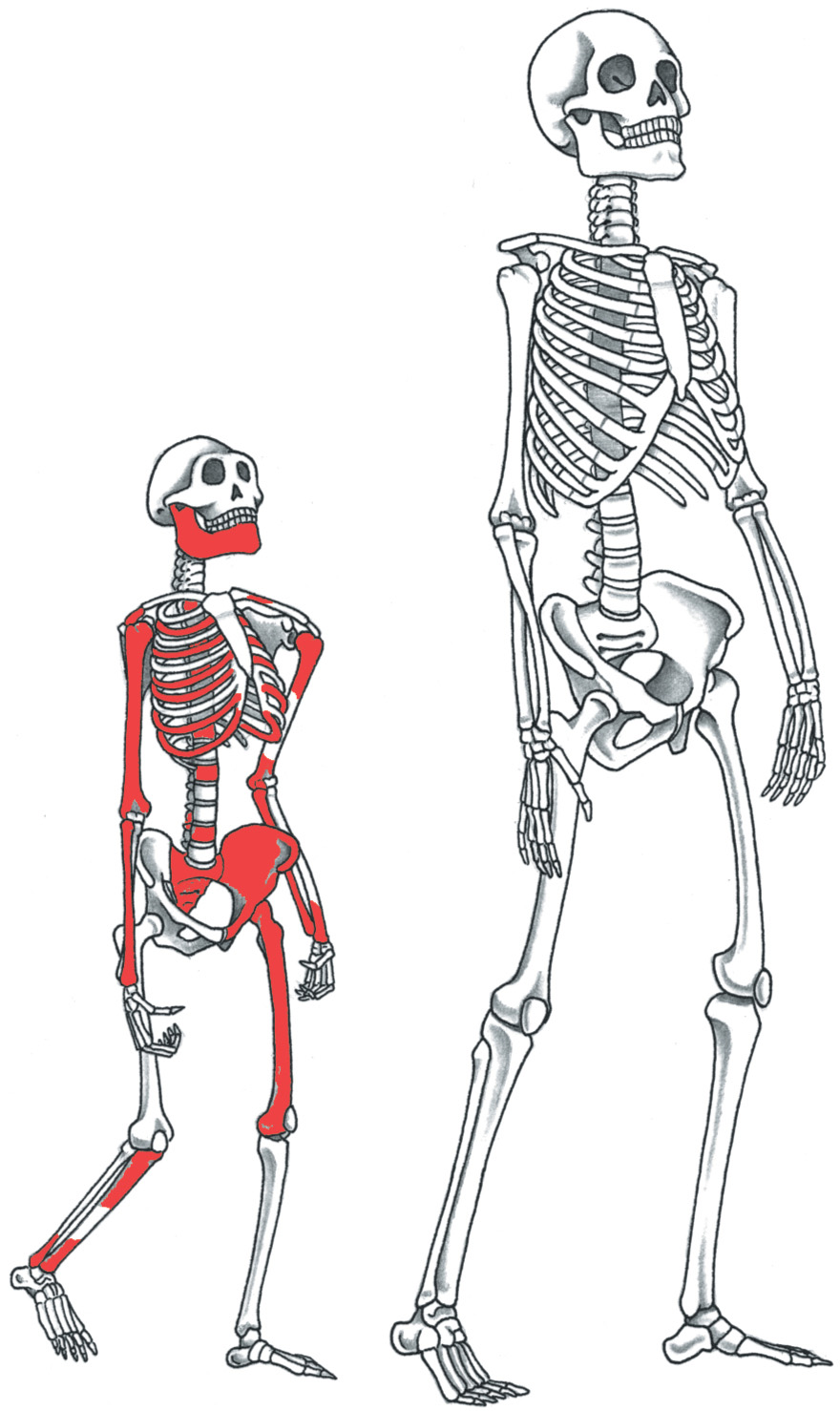
Big brains—or skulls big enough to house big brains—carry another cost as well: they make childbirth hazardous for mothers. Before modern medical interventions, about 1–3 percent of births killed the mother. That usually resulted in the death of the infant as well. With these costs, big brains had to offer great advantages; otherwise, natural selection would have made sure we don’t have them. The greatest advantages of big brains were the ability to form larger social groups and the imagination to invent tools, harness fire, and develop language. All these achievements were related, but we’ll look at them one at a time.
SOCIAL COOPERATION Bigger brains probably allowed our ancestors to capitalize on the advantages of mobility and bipedalism by organizing tighter, more cooperative, and possibly larger groups. Individuals with brains that could recognize the rewards of cooperation and sharing, and organize more cohesive groups, enjoyed better survival chances. Through teamwork, they could reap benefits from more efficient foraging, scavenging, and hunting.
Improved teamwork made it possible to coordinate foraging strategically over larger territories, assigning specific roles to group members. Teamwork also enabled people to hunt bigger animals with greater safety by fixing a plan of attack. Better coordination raised the quantity of food available, and improved cooperation meant that less food went to waste. No single hunter, not even a team of hunters, could eat a two-ton hippo before its meat began to spoil. But if they shared it with others, confident the favor (or an equivalent) would one day be returned, no meat need go bad. Sharing food strategically—which other primates scarcely do at all, except mother to infant—radically improved everyone’s survival chances, because even the best foragers and hunters have bad days. Moreover, keeping others who were inefficient foragers and hunters alive allowed the most efficient food-getters to concentrate on getting food rather than doing other chores. Early hominins figured out that a society could benefit collectively from specialization and exchange.
In short, bigger brains permitted greater social cooperation, and tighter social units in turn promoted bigger brains. Both processes allowed a dietary shift toward more meat—the proteins and fats that, in turn, fed bigger brains. Humans are by far the most cooperative of primates. Ants and bees cooperate intricately by instinct. We do it more as a result of culture—the collective habits, skills, and achievements that we transmit from one generation to the next, which only creatures with big brains can develop.
PAIR BONDING Bigger brains may also have complicated the hominin social scene—specifically, what scholars call mate selection. Chimpanzees live in small social groups in which dominant males keep a harem of several females and respond violently to any rival male’s attention toward harem members. Male chimps are much larger than female chimps, a pattern that prevailed among early hominin species as well. To judge by the available skeletons, females on average weighed about 60 to 75 percent as much as males among our early forebears. Like chimps,these early hominins also probably lived in small hierarchical groups in which females reproduced with one dominant male and most males had no offspring.
But at some point a different pattern evolved. About 1.5 million years ago, one hominin species (early Homo erectus, called by some scholars Homo ergaster) emerged in which males and females were closer in size. This may have signaled the beginning of male-female pair bonding, an arrangement in which couples enter into long-term partnerships. Today, pair bonding is characteristic in most human societies, in one species of small ape called gibbons, and in a few distantly related species, mainly birds. With pair bonding, all males have a good chance at securing a mate and reproducing. They can coexist less violently, live together in larger social groups, and find it rewarding to take a durable interest in one female and offspring—which male chimps decidedly do not.
To the extent that males cared for their children, they helped their species to prosper. Among other ape species today, mothers get comparatively little help and must breast-feed their offspring for six or seven years. They then cease providing for their young soon after the young are weaned. Hominins, however, gradually evolved a system in which the young were weaned earlier, and caring for toddlers was shared by mothers, grandmothers, aunts, older sisters—and even males who could be enticed into helping with the children. This evolving arrangement translated into higher fertility, because adult females who aren’t breast-feeding are far more likely to conceive than those who are breast-feeding. This approach possibly led to higher infant and child survival rates, because the incapacitation or death of a mother didn’t automatically doom her children. In this way—perhaps—hominins out-competed other less cooperative apes by helping mothers raise the young.
If comparative male-female body size is any guide, then early Homo erectus (or Homo ergaster), who lived 1.9 million to 1.4 million years ago in eastern and southern Africa, was the pioneer of greater sexual equality. Subsequent hominin species all showed narrower differences in size between males and females. Among humans today, males on average are 17 percent heavier and 8 percent taller than females. Greater physical and social equality between the sexes and pair bonding rewarded better brains, because navigating the social scene so as to get and keep a good mate, or to trade up for a better one, was—and remains—a mentally challenging process. Beyond tracking social relations, there are three other crucial skills that our ancestors’ outsized brains proved useful for: toolmaking, fire management, and language.
TOOLMAKING The first evidence of tool use dates to about 2.5 million years ago, before the hominin brain had grown much. Early tools were chipped from stone and used for cutting and smashing—actions that were probably helpful for getting at bone marrow, a rich source of protein. Toolmaking required imagination and dexterity, and perhaps over time toolmaking hominins developed these traits, stimulating further refinement of their mental capacities. (Incidentally, archeologists think most early toolmakers were right-handed, from patterns in the chipped stones. About 90 percent of humans are right-handed today.) Stone tools available more than 2 million years ago enabled hominins to cut meat better than a sharp-toothed lion and dig up roots and tubers better than a sharp-tusked warthog.
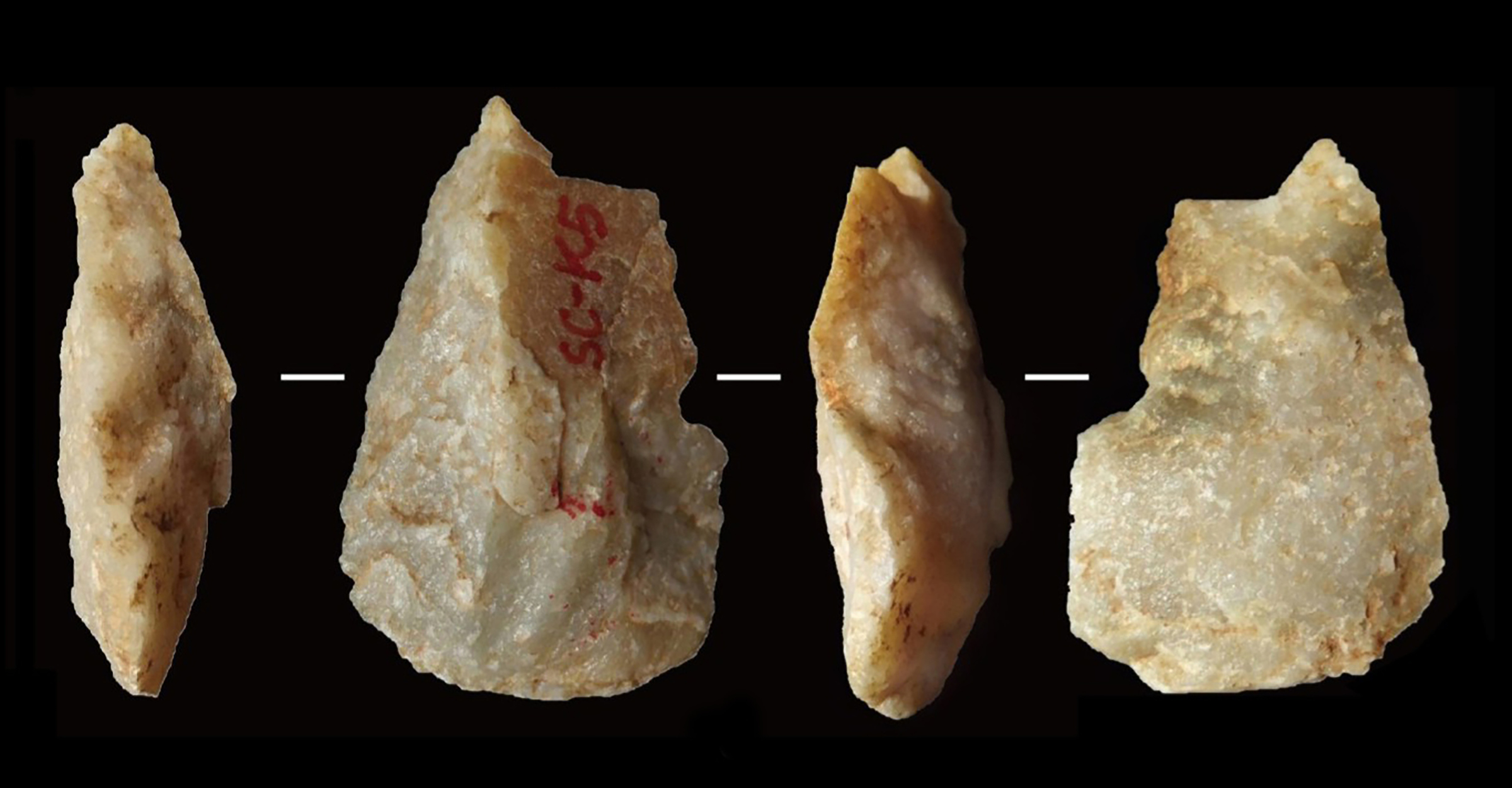
Once good stone tools were invented, tool technology stagnated. For nearly a million years, hominins used the same sorts of tools, made in the same ways. Then, around 1.6 million years ago, a new generation of tools was invented—notably, a double-sided hand axe, which was good for butchering large animals. These served, with virtually no modification, for another million years—until a mere 500,000 or 300,000 years ago. One variety of archaic humans, Homo erectus, wandered out of Africa all the way to Southeast Asia, but everywhere they went their hand axes looked just like the ones their distant cousins used in Africa. Archaic humans were conservative in their culture and technology.

After about 400,000 years ago, that conservatism slowly waned and a few innovative ideas spread. These included attaching wooden handles to stone tools, using projectiles as weapons, and applying pigments as decoration. The evolution of the hominin tool kit apparently came in occasional leaps more than in slow, steady modifications. If the links between tools and brains were strong (better brains, better tools; better tools, better food, better brains), then perhaps the evolution of the brain sometimes came in leaps as well.
CONTROL OF FIRE Other primates, notably chimpanzees, use primitive tools such as sticks to probe holes in the ground at spots that might contain tasty insects. But only hominins have ever controlled fire. Control of fire was probably more important as a cultural accomplishment than the invention of stone tools; but because it shows up poorly in the archeological record, we know much less about it. We have only the haziest idea when hominins first came to control fire. It may have been as recent as half a million years ago, or as long ago as 1.5 million years. Control of fire was so useful that it probably spread quickly. With fire, our ancestors could keep warm in colder climates, which opened higher latitudes and higher elevations to them. They could keep dangerous animals at bay—especially at night, when big cats, for example, had the advantages of keener smell and better night vision. They could brandish fire to scare carnivores away from their kills or to aid in their own hunting. They could burn whole landscapes, turning forests into grasslands to attract tasty herbivores—in effect, converting natural vegetation into good habitat for animals they could eat, and therefore, good habitat for themselves. And, perhaps most important, with fire our ancestors could cook.
Cooking increased the amount of food available. Scorching or smoking meat delays its decay. Cooking kills some bacteria, neutralizes some toxins, tenderizes tough fibers and meats, and alters the chemistry of molecules in ways that ease human digestion. Today’s chimps and gorillas have much larger intestines than we have, and they can digest a wider range of raw organic materials than we can. They don’t need to cook. But about 60 percent of their food intake is needed just to provide the energy for chewing and digesting. Cooking enabled our ancestors, in effect, to outsource and speed up digestion, thus requiring less elaborate stomachs and intestines. Thanks to cooking, they no longer needed big jaws and large teeth either.
The harnessing of fire probably had social consequences as well as dietary ones. Managing fire—finding fuel, stoking a flame, keeping it under control—required cooperation. It was a skill that had to be taught carefully to the young. Groups that managed fire probably developed a stronger solidarity because if they didn’t cooperate successfully, they couldn’t keep fire under control. Fire-wielders might even have sent rudimentary messages by smoke signals, even before speech emerged. The usefulness of fire is reflected in its universality: every human group, however remote, has used it—although some (generally, isolated groups confined to islands) could only preserve fire, not make it.
LANGUAGE If anything our remote ancestors did proved more important than harnessing fire, it was developing language. Other species have systems of communication: for example, bees transmit information by dancing, and ants do so by releasing chemical scents. Chimpanzees use about 30 different calls to communicate. Only humans have fully developed language, capable of communicating abstract meanings. The average American 20-year-old knows roughly 40,000 words, although most people regularly use only about 4,000 of them. They can combine those words to transmit an almost infinite number of meanings.
Language is a biological adaptation as well as a cultural one. In order to speak, our ancestors had to develop peculiar anatomical features, such as a long and low larynx, which is absent elsewhere in the animal kingdom. Our ancestors’ brains, as well as their larynxes, evolved so as to permit us to speak and understand language. Indeed, this is partly what human brains are for, and why they’re wired the way they are. Between ages one and four, healthy humans learn to understand and speak whatever languages surround them, without being taught. That is a large part of what makes us human; no other creatures can do it.
The ability to use language, even if it began as a simple code with minimal grammar or syntax, conferred great advantages. It allowed the sharing of practical information (e.g., “lion behind bush”) that improved survival chances. As language evolved and improved, it permitted groups to plan hunts in detail, work out quarrels peacefully, and teach skills to youngsters with greater efficiency. Language, like fire, was so useful that those groups who had it, even in rudimentary form, enjoyed great advantages over those without. So those without language either acquired it or vanished.
No one knows when language emerged or how long it took to do so. Some skeletal evidence suggests it might have begun 2 million years ago. Many scholars think it developed only with our own species, Homo sapiens, between 200,000 and 120,000 years ago, and a few think it was more recent than that. We will probably never know when this most extraordinary of human achievements arose. But because all human groups around the world speak, it’s safe to say that the capacity to do so arose before humans left Africa roughly 100,000 years ago.
Of the traits and skills that distinguish our species, bipedalism came first. After that, developments got more complicated. Bigger brains, bigger social groups, and toolmaking perhaps came together and reinforced one another. Fire management and language also favored the development of bigger brains and bigger groups. Although the chronology of these developments remains unclear, it is likely that the biological evolution of the traits and the cultural evolution of the skills that make us human overlapped in time and collectively encouraged one another.
Glossary
- Homo sapiens [HOH-MOH SAY-pee-uhns]
- A type of hominin and the name for our species, human beings. Homo sapiens emerged 300,000 to 200,000 years ago in Africa.
- bipedalism
- The ability to stand upright that evolved 6 million to 4.5 million years ago; a trait that distinguishes hominins from apes and ape-like ancestors.
- natural selection
- The process whereby organisms that are better adapted to their environments pass down advantageous genetic traits through generations.
- Homo erectus [HOH-MOH ee-REHK-tuhs]
- A hominin species that emerged 1.5 million years ago and went extinct 190,000 years ago. Homo sapiens, Neanderthals, Denisovans, and Flores Island “Hobbits” are all probably descended from Homo erectus.