FARMING CULTURE AND HUMAN BIOLOGICAL EVOLUTION
One of the fascinating results of recent genetic research is evidence of just how fast the human animal has been evolving since the dawn of agriculture. While cultural change has outstripped biological evolution in shaping our lives, human biological evolution has probably sped up since Paleolithic times. This is a result of new and sometimes rigorous selective pressures favoring the survival and reproduction chances of some people, and their genes, over others. By and large, it was the farming way of life that imposed these new pressures.
For example, after settling down in agricultural villages, humans’ chances of survival and reproduction depended more than ever on having a good immune system. Durability as a long-distance walker no longer counted for so much. In most of Africa, farming brought more malaria, and therefore intense selective pressure spreading genes for malaria resistance. That is the origin of the sickle-cell trait that protects some people from the nastiest variety of malaria but raises the odds of suffering from anemia.
Likewise, the Polynesian cultural practice of voyaging changed Polynesian bodies through a process of genetic selection. Long voyages in open canoes across empty ocean with little food may have favored those Polynesians with genes for thriftier metabolisms—more able to withstand the stresses of cold and hunger. This process of genetic selection may be connected to the high risk for diabetes among Polynesians today: a thrifty metabolism was useful for their ancestors but is no longer necessary now that food is easier to come by. The genetic adaptation carries costs without the former benefit.
Genes and culture affect one another: ever since the advent of farming, we have been remaking animals, ourselves, and our culture all at once, and faster than before. Geneticists now think there are hundreds of genetic mutations that spread in response to cultural shifts in the last 10,000 years. With village farming, people changed their environments and cultures, and indirectly changed themselves biologically. Let’s look at some of the ways they did so.
CATTLE, MILK, AND LACTOSE TOLERANCE
Cattle domestication changed the human animal. It led to the emergence of the ability among some adult humans to digest animal milk. About one-third of the world’s adults today can digest milk.
Most people lose the ability to digest milk after about age five. They stop producing an enzyme that assists in breaking down lactose, a form of sugar found in milk. Before 8000 BCE, everyone was “lactose intolerant.” But between about 8000 and 5000 BCE, at least four different genetic mutations took place—in West Africa, East Africa, northern Europe, and Southwest Asia—whereby some people kept producing the key enzyme beyond childhood.
These mutations provided an advantage among cattle keepers. Cows’ milk is rich in protein and nutrients. In landscapes not suited to crop farming, milk drinkers could get higher quality nutrition more reliably than could anyone else. In northern Europe, where farming was difficult, after about 3000 BCE it seems the selective pressure for lactose tolerance was especially high, resulting in ever larger numbers of these mutant, milk-drinking humans. Today, almost everyone whose ancestors lived there can easily digest milk all throughout their lives. Ireland has the highest proportion of lactose-tolerant people anywhere in the world.
Mutations among cattle keepers in Africa achieved the same effect. In parts of East Africa, most people whose ancestors had kept cattle can digest milk as adults. In West Africa’s Sahel, some pastoral peoples also have high proportions of lactose-tolerant adults. In both East Africa and the West African Sahel, where water is often scarce, milk drinking was useful not only for nutrition but also for avoiding dehydration.
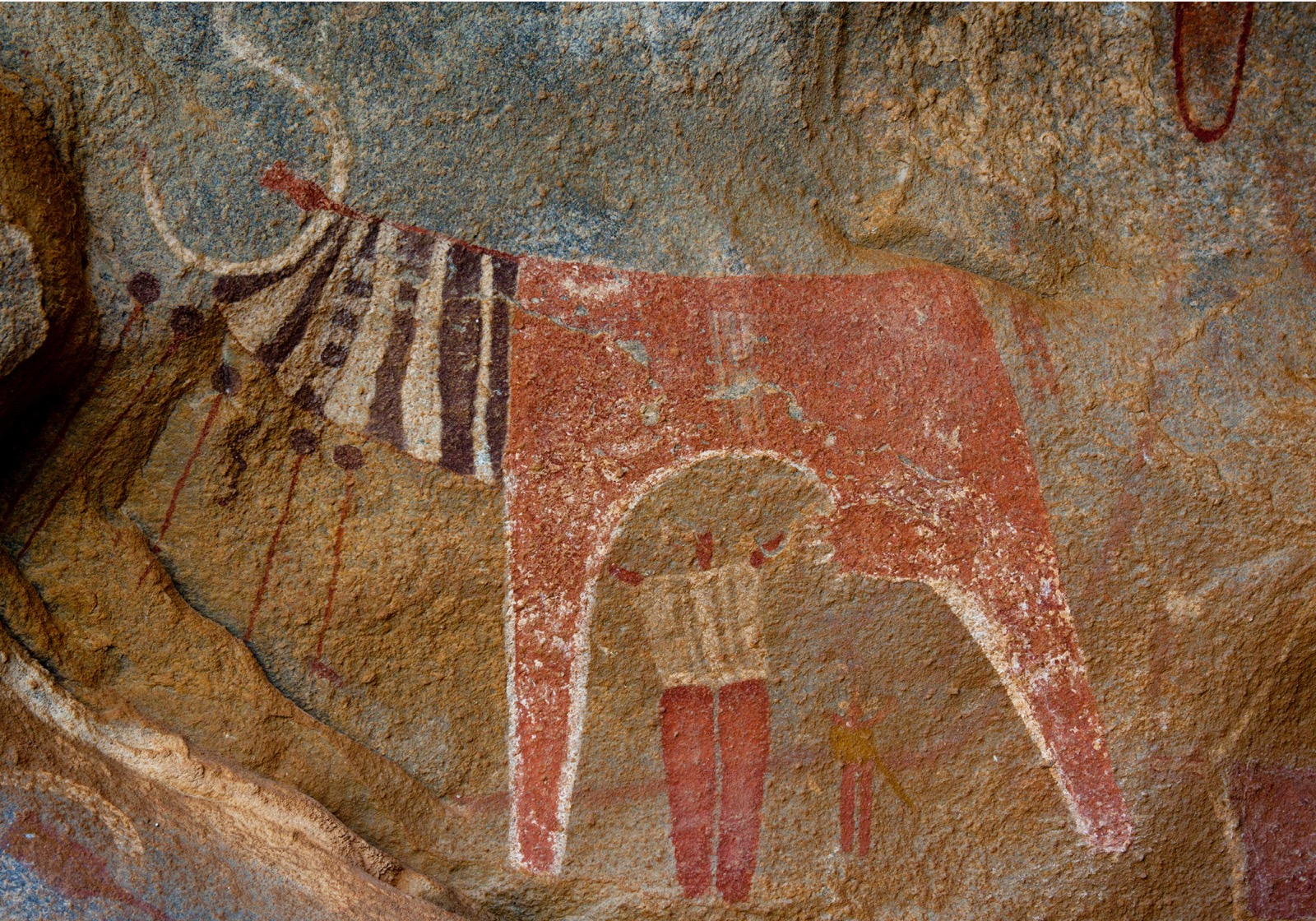
People who developed lactose tolerance avoided some nasty waterborne diseases too. Cattle, camels, sheep, and goats can absorb moisture from the grasses they eat, drink water swimming with microbes that would make humans sick, and then turn all that into a healthful liquid for humans. They are water purifiers.
The lactose-tolerance mutations were so advantageous that they spread everywhere people kept cattle, and to some extent where they kept camels, sheep, and goats. The most recent of the mutations permitting milk-drinking adults took place in Southwest Asia, perhaps Arabia, after 3000 BCE, and probably only after the domestication of camels (whose milk is also good to drink). People in Central Asia, where keeping sheep and goats was common, today show a moderate rate of lactose tolerance. Most of them can easily digest cheese and yogurt, which have less lactose than milk. But in East and Southeast Asia, southern Europe, and most parts of Africa, none of these mutations spread widely, so adults didn’t drink milk. In the Americas, where early people had no domesticated animals other than dogs, there was no advantage to lactose tolerance at all.
The history of milk drinking is a case of ongoing genetic change in the human population in response to human culture. An innovation in culture—cattle keeping—opened the way to an innovation in the human genome, and each reinforced the other: the more lactose tolerant people became, the more likely people were to keep cattle and drink milk; and the more they kept cattle, the stronger the selection became for lactose-tolerance genes. By the standards of genetic shifts, this one swept through human populations very quickly—in just a few thousand years, suggesting strong advantages for milk drinkers in environments good for cattle.
Milk drinkers are not the only ones whose bodies adjusted to new dietary possibilities that resulted from cultural changes. At some time in the past 15,000 years, residents of the Arctic, people known as Inuit, developed a genetic mutation that allows them to metabolize quantities of whale, seal, and fish meat, which are rich with fatty acids, and yet keep their bloodstreams free of unhealthy levels of those fatty acids. Their migration into places such as northern Canada and Greenland, in which there was precious little to eat other than fish and whale blubber, created a strong selective pressure favoring the spread of this adaption, which is rare in other human communities. Once again, cultural change dovetailed with biological change in human bodies.
HORSE DOMESTICATION
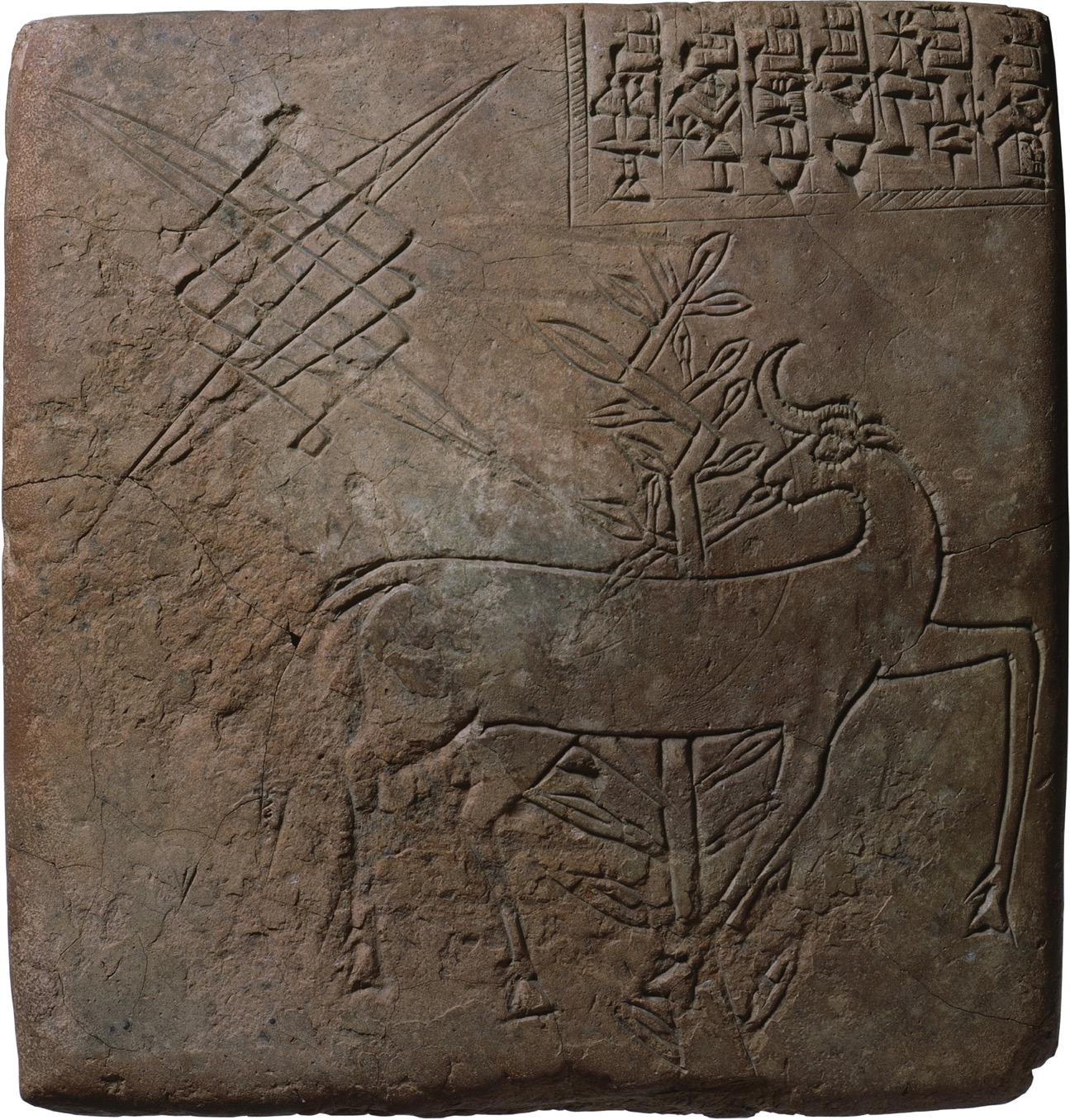
The domestication of horses, like the emergence of lactose tolerance, opened new spaces to denser human settlement. As with the earlier domestication of dogs, this one proved to be a durable partnership. Humans deliberately selected for preferred characteristics in horses. When they succeeded in genetically altering horses so as to make them useful to human societies, they—unintentionally—created a cultural selection for societies that were good at managing horses.
Wild horses live in small groups with one stallion, five to seven mares, and their young offspring. Mares routinely accept guidance from stallions or lead mares. Stallions, in contrast, are uncooperative and violent. Genetic evidence shows that today’s tame horses are descended from many mares but from very few, perhaps only one, stallion. Taming mares wasn’t so difficult: they usually accept human guidance willingly. Taming a wild stallion took extreme courage and persistence.
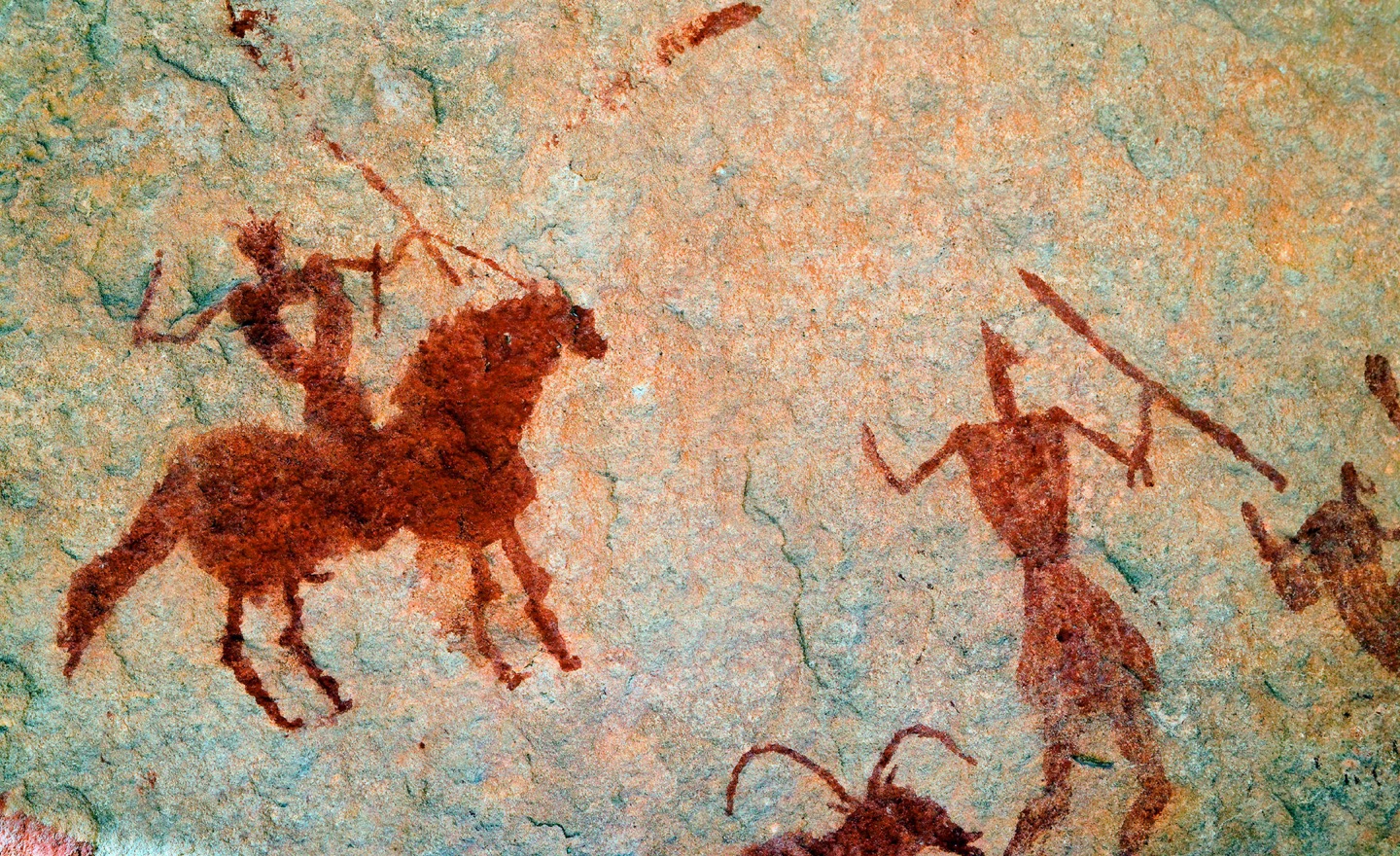
Horse domestication probably happened somewhere on the grassy steppes between the Black and Caspian Seas around 4800 BCE. The reason people tried to tame horses initially was to eat them or to drink their milk and blood. People ensured that the most docile and obedient mares had the most offspring; and as a result, over hundreds of generations horses grew tamer and easier to control.
Horses are much better than cattle or sheep at surviving hard winters because they will paw at snow to find grass and will kick through ice to get water. On the chilly steppes, herds of horses were more reliable food sources than flocks of sheep or herds of cattle, which couldn’t survive the winters if not carefully fed by humans. A cold snap on the steppe lasting a few centuries around the period 4200–3800 BCE might have helped spread the practice of domesticating horses.
Eating horses allowed people to survive cold winters, but riding horses allowed them to do much more. By 3500 BCE at the latest, people on the steppes had learned to ride horses, launching a partnership at least as important as the earlier one with dogs. The curious fact that horses and humans can sweat profusely, which no other animals can, meant they were made for each other. Horse and rider can exercise for hours on end without overheating, even in warm climates.
The advantages of riding for horsemen were tremendous. Horsemen could herd two or three times as many sheep or cattle as could someone on foot, and could also hunt much more efficiently. They could steal animals and abduct women and children from rival groups more easily. After 2500 BCE, where grass was abundant and horses thrived—which at this time meant much of western and central Eurasia—no human group could last long without becoming skilled riders and horse-breeders. People who exploited the economic and military potential of the horse managed to amass wealth and power on a scale formerly impossible. The rise of the horse-rider partnership led to the rise of greater social stratification, which is evident in changes in goods buried in the graves of prominent men.
The importance of horses goes further. Before horse domestication, the steppe grasslands posed a daunting challenge to people, like seas before sailboats. On foot, people could scarcely hope to find enough food and water to cross the sea of grass. Domesticated horses made the steppe accessible—indeed, they transformed it from a barrier to a highway, just as sailboats did to seas. Transport and travel on these grasslands ultimately brought all the cultures of Eurasia and North Africa into contact with one another, forming a giant web, as we shall see in some detail. So the genetic changes in horses as they became domesticated, and attendant cultural change in horse-using societies, altered the patterns of world history.
NEW ECOSYSTEMS, NEW SPECIES
In addition to changing the human genome and human culture, farming and herding changed the planet. Early farmers, we must remember, inherited environments already in flux. Their ancestors had used fire liberally to clear forest and had probably spearheaded the accidental extinction of many large mammals everywhere they went. On top of those human-induced environmental alterations, climate shifts led to vegetation changes. Thanks to the warming after the last ice age, early farmers faced a world of expanding forests, shrinking ice caps, and disappearing tundra—although all these changes came so slowly that no one understood what was afoot.
Against this background of both natural environmental change and the ongoing alterations caused by hunter-foragers, early farmers added their weight to the balance. Through domestication, they created several new species of plants and animals, as we’ve seen. Herding and farming meant spreading these chosen species far and wide at the expense of others, now considered weeds and pests.
In other words, farmers and herders created new ecosystems—pastures and farmlands—as well as new species. Tame cattle and sheep roamed over far greater spaces than their wild forerunners ever did. Maize, rice, and other cereals also covered far more space than their wild predecessors had.
Early farmers, without plows and draft animals, found grasslands too difficult to cultivate. They preferred riverbanks, lake edges, or cleared forestland. Across Eurasia, early farmers gradually cleared forests in river floodplains, using fire and axe. They also cleared patches here and there in deep forests. Once they harnessed strong animals, such as oxen or water buffalo, and invented plows (around 3800 BCE), farmers found it worthwhile to farm heavy or damp soils. Early farmers also assaulted forests in the Americas and sub-Saharan Africa. In both settings, they typically either practiced shifting cultivation in forest zones or used the soft soils of riverbanks.
The environmental impacts of early farmers were surely of greater scale than that of hunters and foragers in the vicinity of villages, where fields were cleared, fuelwood gathered, and domestic animals grazed. But the environmental consequences of early agriculture, before cities and states, were small compared to what was yet to come.