REPRESSION AND PERSECUTION
Reactions against novel religious and intellectual movements, like the suppression of Christianity in Japan, were routine among elites and rulers wedded to existing ideologies. The most secure rulers, however, showed great interest in diverse religions—rather like the Mongol court in the thirteenth century. Among these were Shah Abbas I in Safavid Iran, and two whom we’ll see more of in the next chapter—Akbar the Great in Mughal India and Mehmet the Conqueror in the Ottoman Empire. But their successors, often feeling less secure in their power, generally organized clampdowns and persecutions. In Europe, Catholic authorities revitalized the Inquisition in the sixteenth century and supported religious wars against Protestants, and Protestant kings did their best to reciprocate. In Iran, the Safavids eventually attacked just about all religious groups and movements other than their preferred version of Shi’a Islam. Sunni Muslims, Sufis, Christians, Jews, and Zoroastrians all felt the consequences. In India in the early seventeenth century, the Sikhs went from being pacifists to militarists in response to assaults from Muslim princes.
In China, by 1580 a concerted reaction against Wang Yangming’s followers took shape, and many were imprisoned or executed. Catholicism in China also provoked official reaction. The Jesuits backed a losing candidate in an imperial succession struggle, and the winner, the Yongzheng Emperor, banned Christianity in China in 1724.
The Scientific Revolution, compared to the several religious movements discussed in this chapter, provoked less official reaction. Galileo and Kepler both met with hostility from church authorities, but Galileo had initially found support from the Pope and the Jesuits when attacked by the Inquisition. Only after he went to some lengths to offend the Pope was he forced to renounce his views and confined to house arrest. But most of the new science did not trouble the church, and indeed much of it was conducted by churchmen or devout Christians like Boyle and Newton. About half the mathematics professors in seventeenth-century Europe were Jesuits.
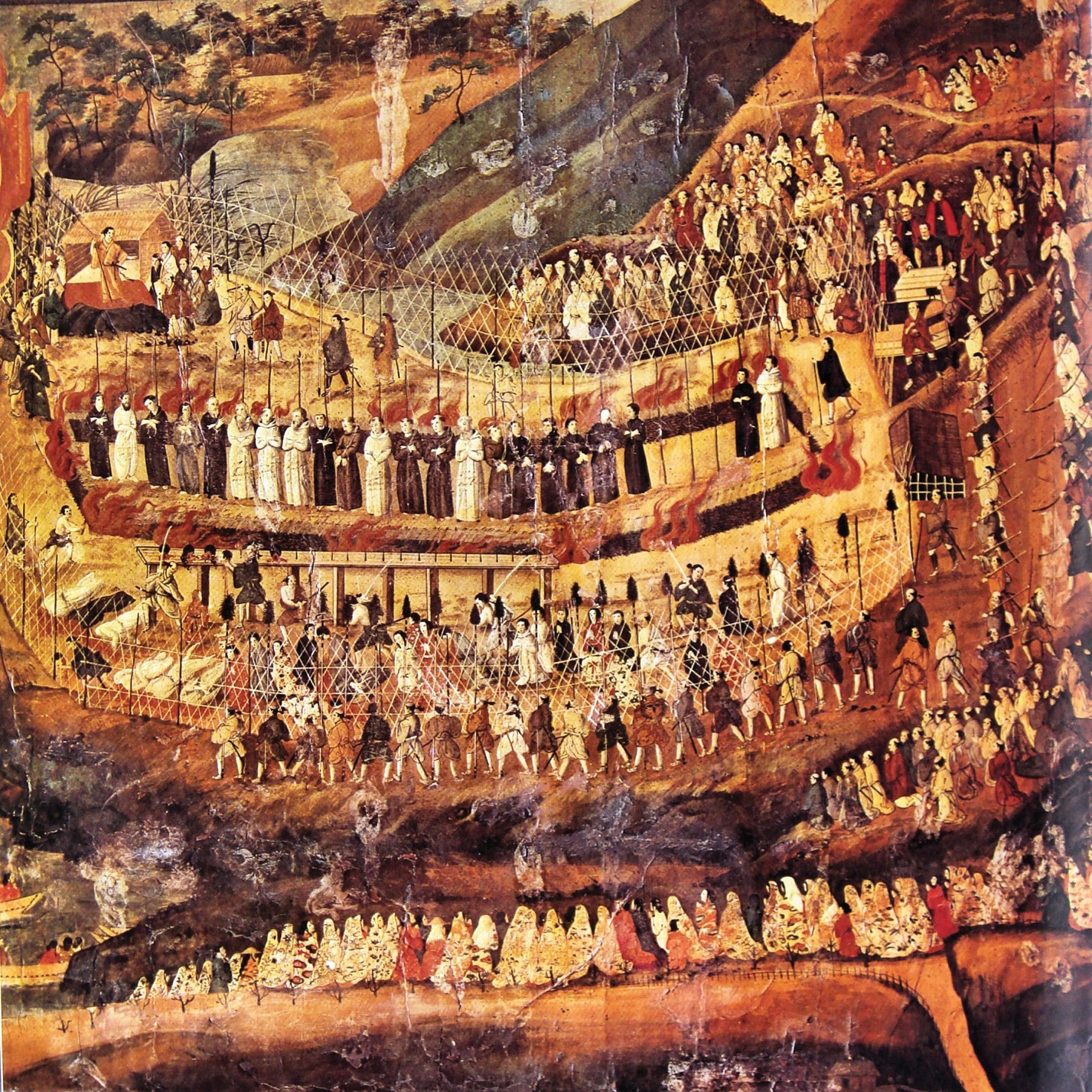
In any case, the political divisions within Europe made clampdowns on new ideas ineffective in comparison with comparable efforts in China after 1580 or Japan after 1590. Religious disunity flourished in Europe, as in India, as did rival schools of scientific thought, and no prince, however determined, could change that. In Europe, unlike in India, easy access to information, a result of the spread of the printing press and the shared use of Latin among scholars, also made it hard for authorities to clamp down.