Copernicus did not understand why the planets move about the Sun, but he realized that his heliocentric model offered a way to compute the planets’ relative distances. His theory is an example of empirical science, which seeks to describe patterns in nature as accurately as possible even if it’s not yet possible to explain why those patterns exist. Copernicus’s work was revolutionary because he challenged the accepted geocentric model and proposed that Earth is just one planet among many. His conclusions paved the way for other great empiricists, including Tycho Brahe and Johannes Kepler.
Tycho Brahe’s Observations
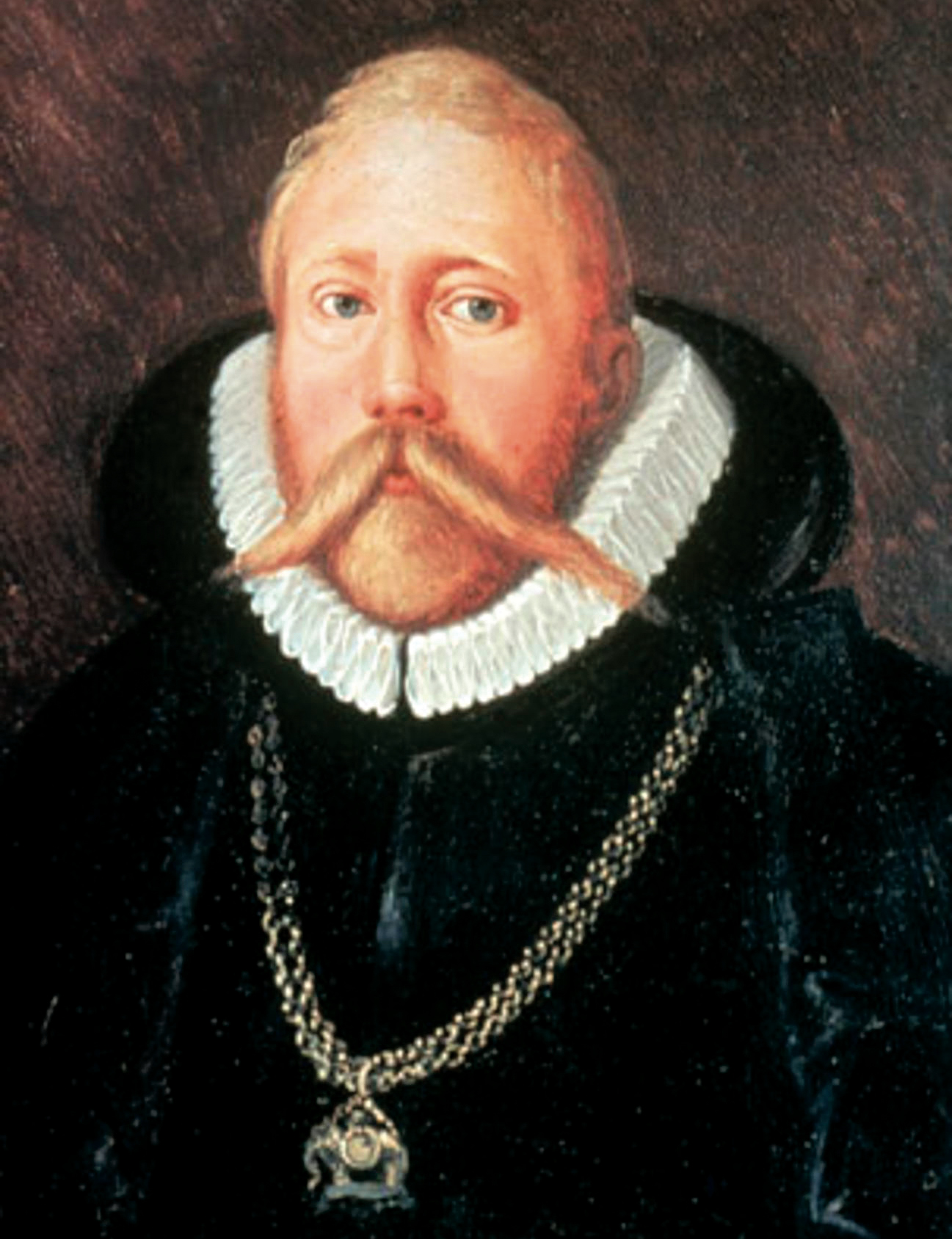
Tycho Brahe (1546–1601—Figure 3.9) was a Danish astronomer of noble birth who entered university at age 13 to study philosophy and law. After seeing a partial solar eclipse in 1560, Tycho (conventionally referred to by his first name) became interested in astronomy. A few years later, he observed Jupiter and Saturn near each other in the sky, though not exactly where they were expected to be from the astronomical tables based on Ptolemy’s model. Tycho gave up studying law and devoted himself to making better tables of the planets’ positions in the sky.
Figure 3.9 Tycho Brahe, known commonly as Tycho, was one of the greatest astronomical observers before the invention of the telescope.
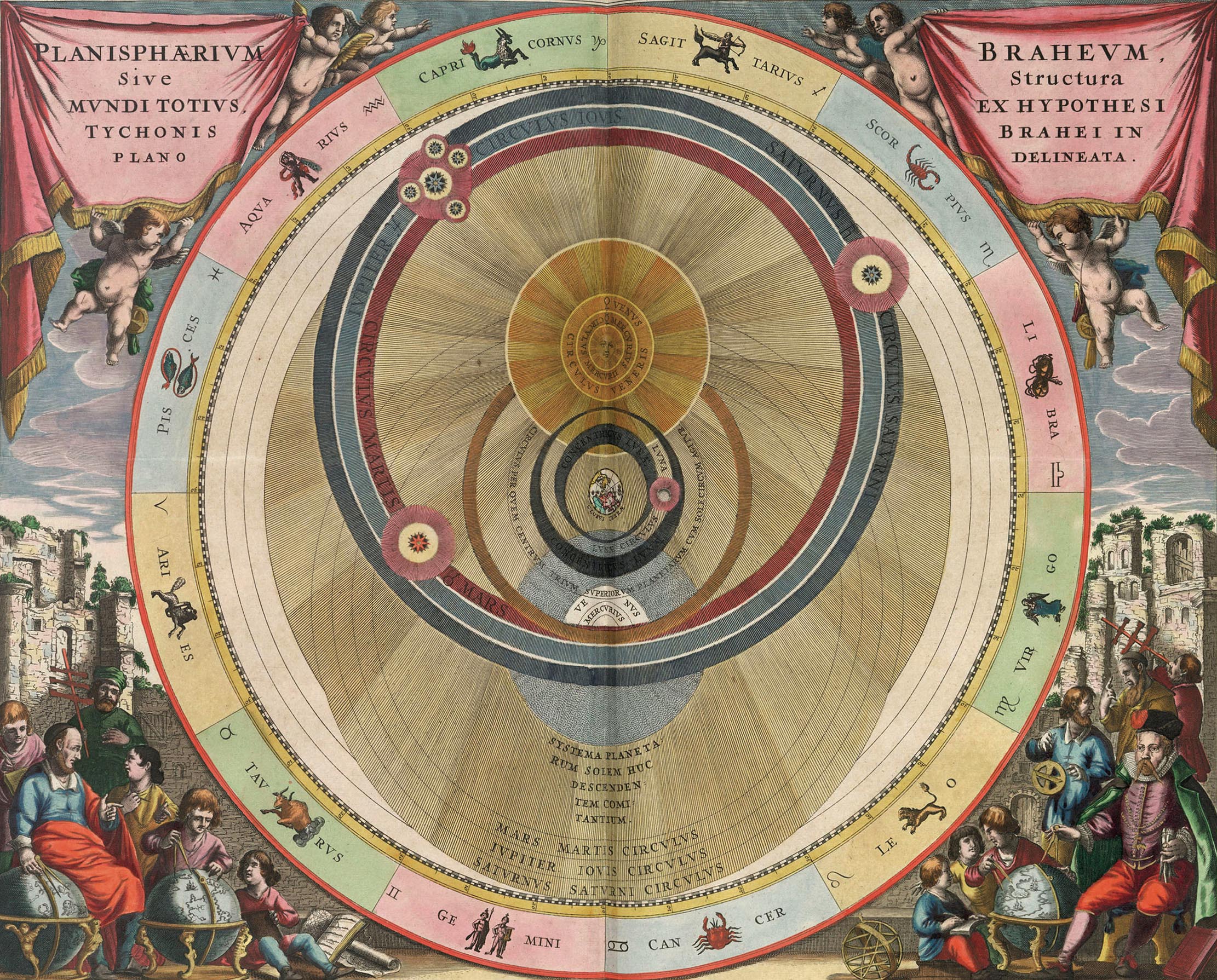
The king of Denmark granted Tycho the island of Hven, between Sweden and Denmark, to build an observatory. Tycho designed and built new instruments, operated a printing press, and taught students and others how to conduct observations. With the help of his sister Sophie, Tycho carefully measured the precise positions of planets in the sky over several decades, developing the most comprehensive set of planetary data then available. He created his own geo-heliocentric model, shown in Figure 3.10. In Tycho’s model, the planets orbit the Sun, and the Sun and Moon orbit Earth. His model gained some acceptance among people who preferred to keep Earth at the center for philosophical or religious reasons. Tycho lost his financial support when the king died, and in 1600 he relocated to Prague.
Figure 3.10 Tycho’s geo-heliocentric model, showing the Moon and Sun orbiting Earth, with the other planets orbiting the Sun.
Kepler’s Laws
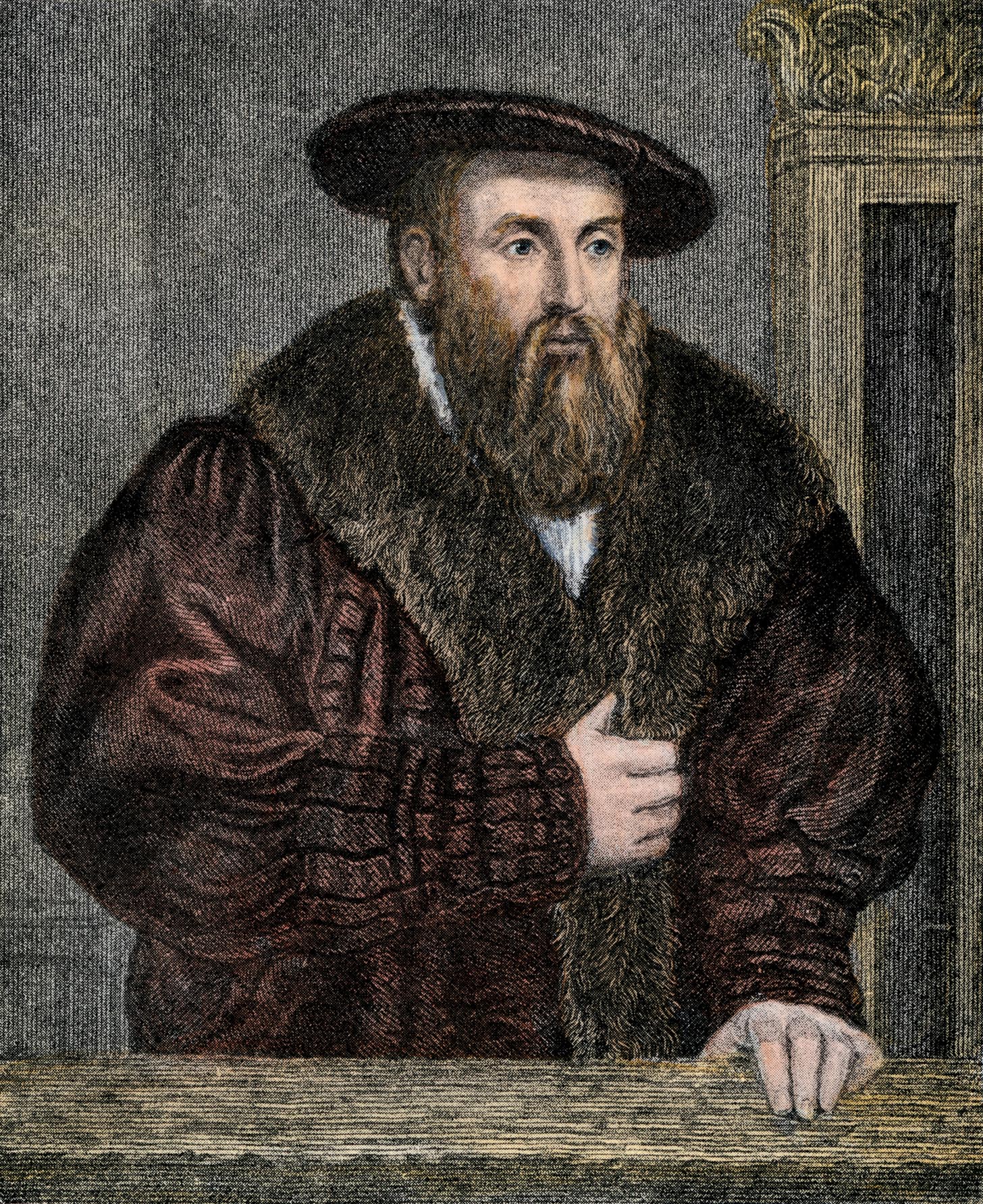
In 1600, Tycho hired a more mathematically inclined astronomer, Johannes Kepler (1571–1630—Figure 3.11), as his assistant. Kepler, who had studied Copernicus’s ideas, was responsible for the next major step toward understanding the planets’ motions. When Tycho died, Kepler inherited the records of his observations. Working first with Tycho’s observations of Mars, Kepler deduced three rules that accurately describe how the planets move. These are now generally referred to as Kepler’s laws. Kepler’s laws are empirical: they use existing data to make predictions about future behavior but do not include an underlying theory of why the objects behave as they do.
Figure 3.11 Johannes Kepler explained the motions of the planets with three empirically determined laws.
Kepler’s First Law
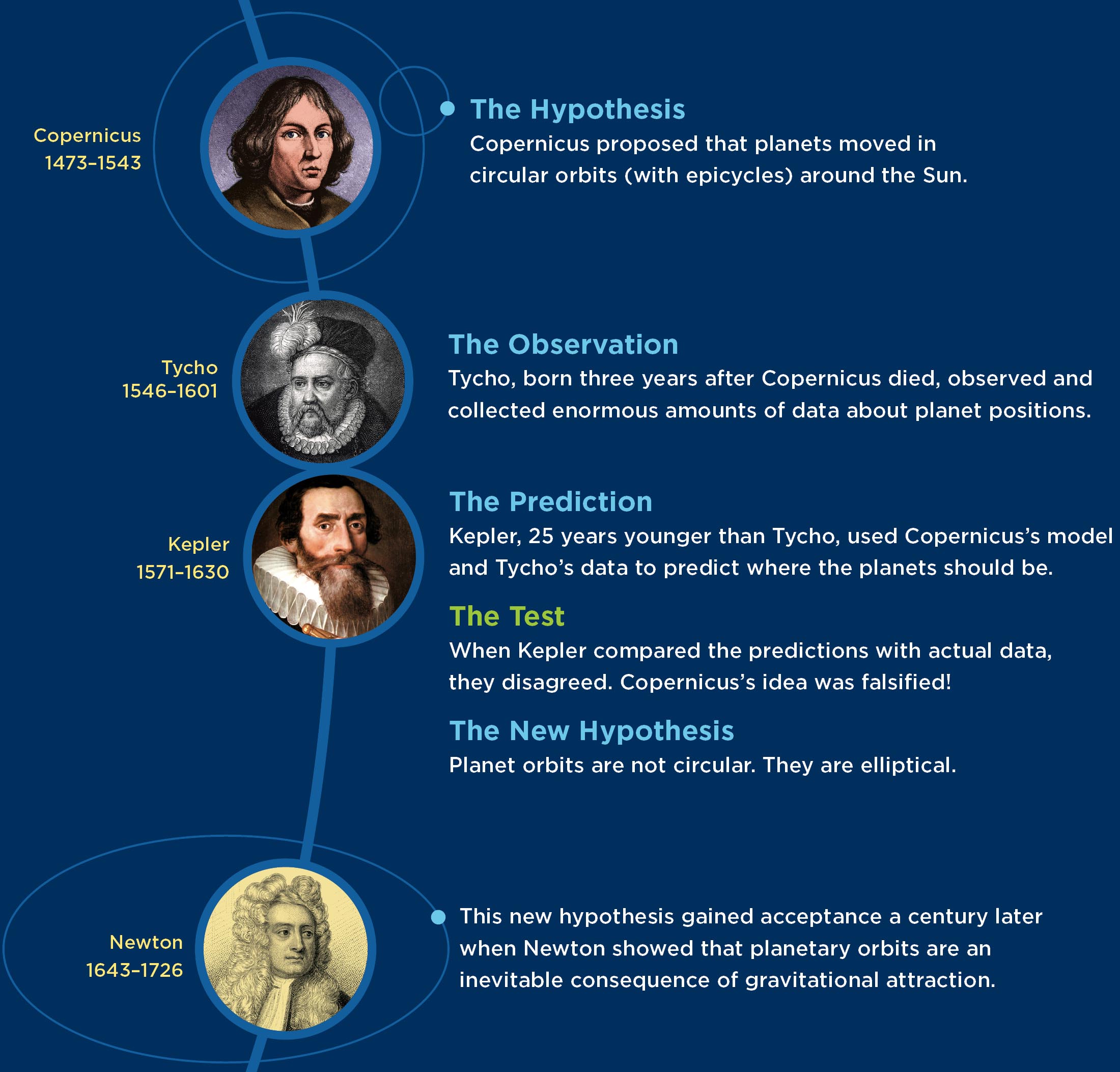
Comparing Tycho’s extensive planetary observations with predictions from Copernicus’s heliocentric model, Kepler expected the data to confirm circular orbits for planets orbiting the Sun. Instead, he found disagreements between his predictions and Tycho’s observations. He was not the first to notice such discrepancies. Rather than discard Copernicus’s model, Kepler revised it.
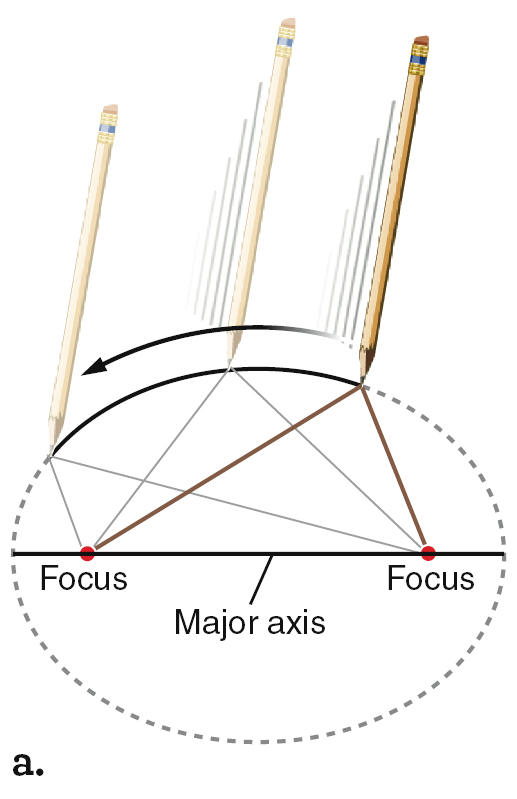
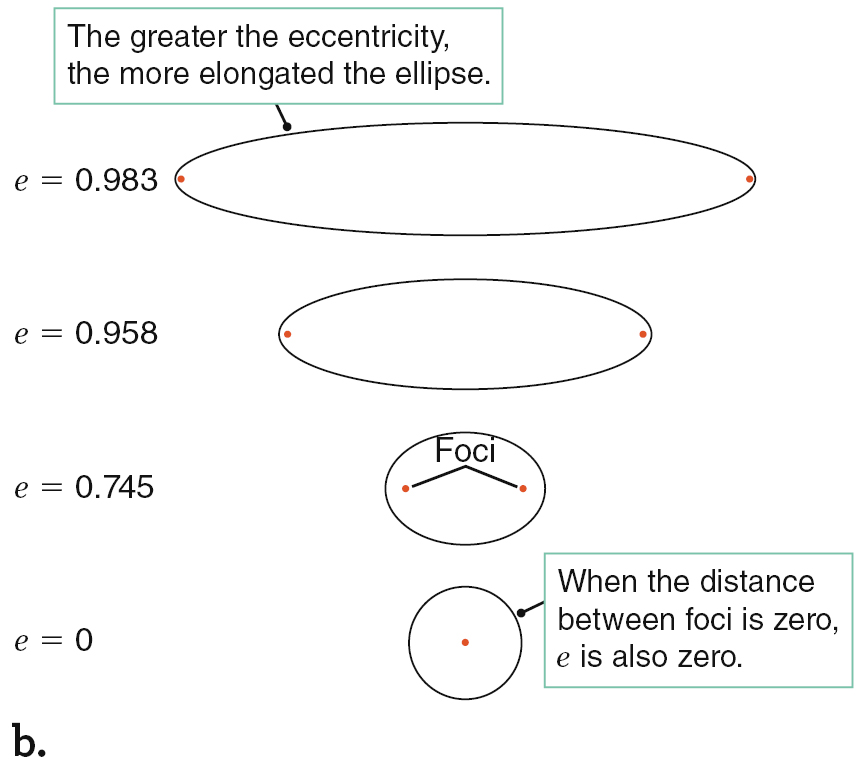
By replacing Copernicus’s circular orbits with elliptical orbits, Kepler could predict the positions of planets for any day, and his predictions fit Tycho’s observations almost perfectly. An ellipse is an oval that is symmetric from right to left and from top to bottom. As shown in Figure 3.12a, you can draw an ellipse by attaching the two ends of a piece of string to a piece of paper, stretching the string tight with the tip of a pencil, and then drawing around those two points while keeping the string tight. Each point at which the string is attached to the paper is a focus (plural: foci) of the ellipse. If the two foci are close together, then the ellipse is more circular (Figure 3.12b). If the two foci are farther apart, the ellipse is more elongated. The long axis of the ellipse is called the major axis, and the short axis is called the minor axis. The eccentricity (e) of an ellipse measures that elongation; it is determined by the distance from the center of the ellipse to a focus, divided by half the length of the major axis. A circle has an eccentricity of 0 because the two foci coincide at the center. The more elongated the ellipse becomes, the closer its eccentricity gets to 1.
Figure 3.12a. We can draw an ellipse by attaching a length of string to a piece of paper at two points (called foci) and then pulling the string around as shown. The long axis is called the major axis. b. Ellipses range from circles (e= 0) to elongated eccentric shapes. e= eccentricity.
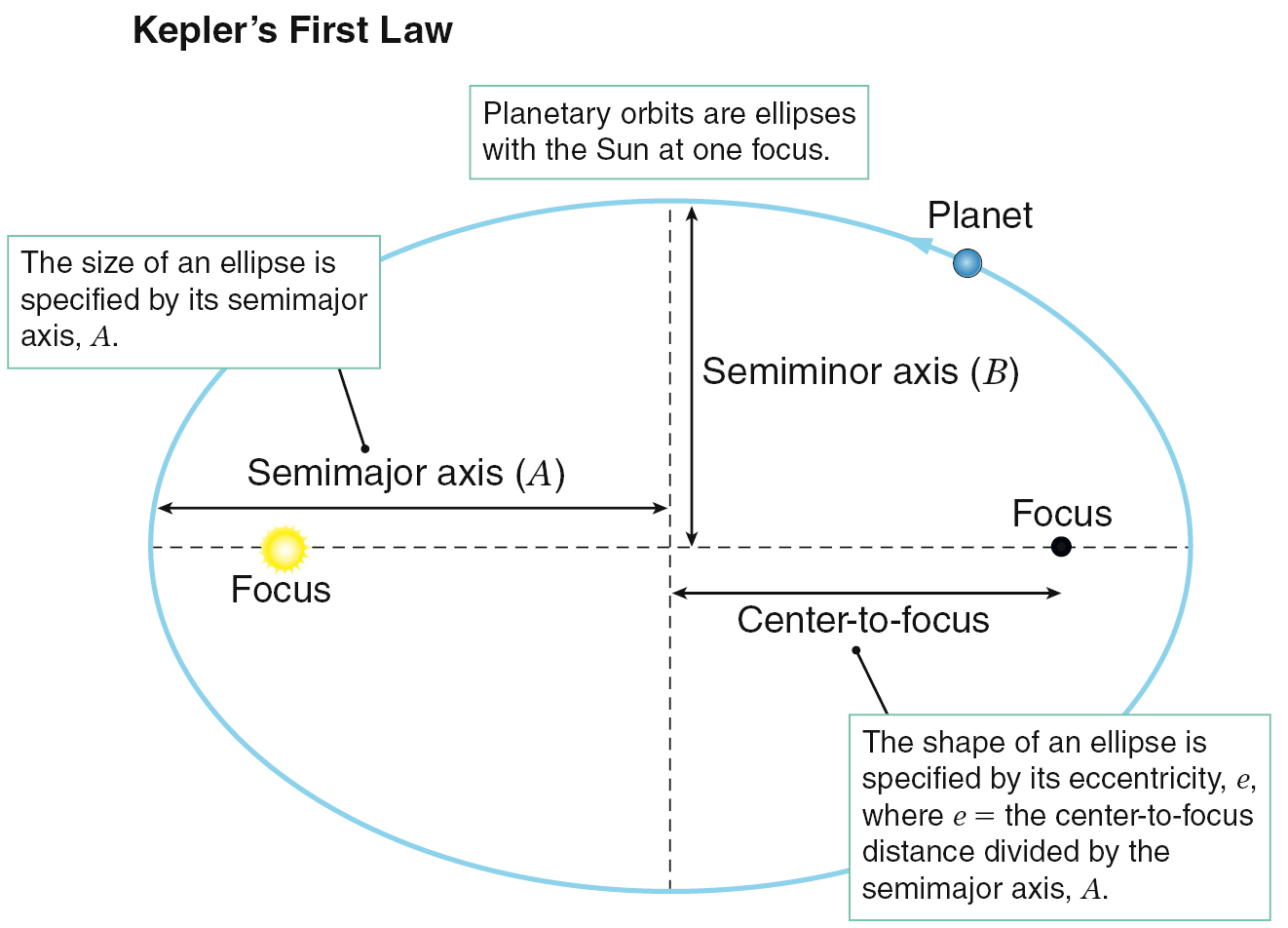
Kepler’s first law of planetary motion states that the orbit of each planet is an ellipse with the Sun located at one focus. The other focus, as shown in Figure 3.13, is nothing but empty space. The ellipse in Figure 3.13 has very high eccentricity, compared to actual planetary orbits, in order to better distinguish its features. The dashed lines represent the major and minor axes of the ellipse. Half the length of the major axis of the ellipse is called the semimajor axis, A. The average distance between the Sun and a planet is equal to the semimajor axis of the planet’s orbit.
Figure 3.13 According to Kepler’s first law, planets move in elliptical orbits with the Sun at one focus. (Nothing is at the other focus.) The orbit’s eccentricity is the center-to-focus distance divided by the semimajor axis.
what if . . .
What if Earth’s orbit were highly elliptical, with Earth being closest to the Sun in northern winter: what factors might cause life to be different in the Northern and Southern hemispheres in that case?
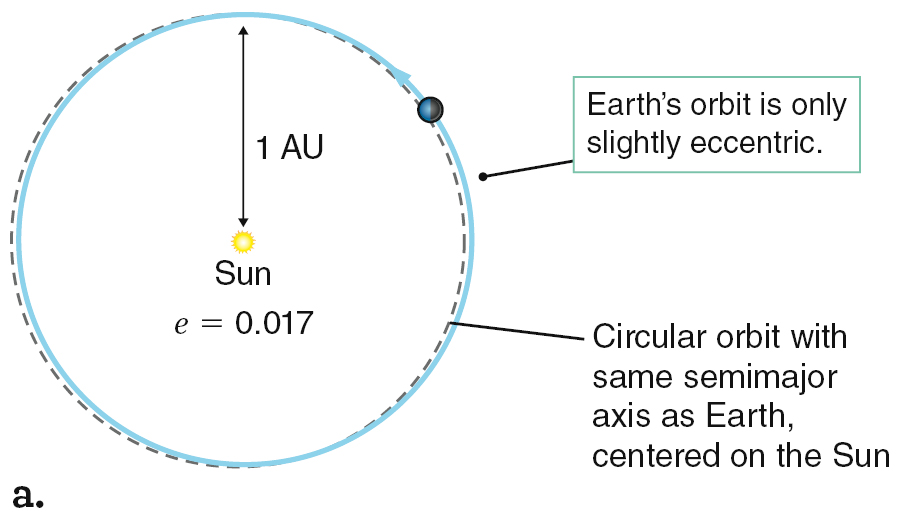
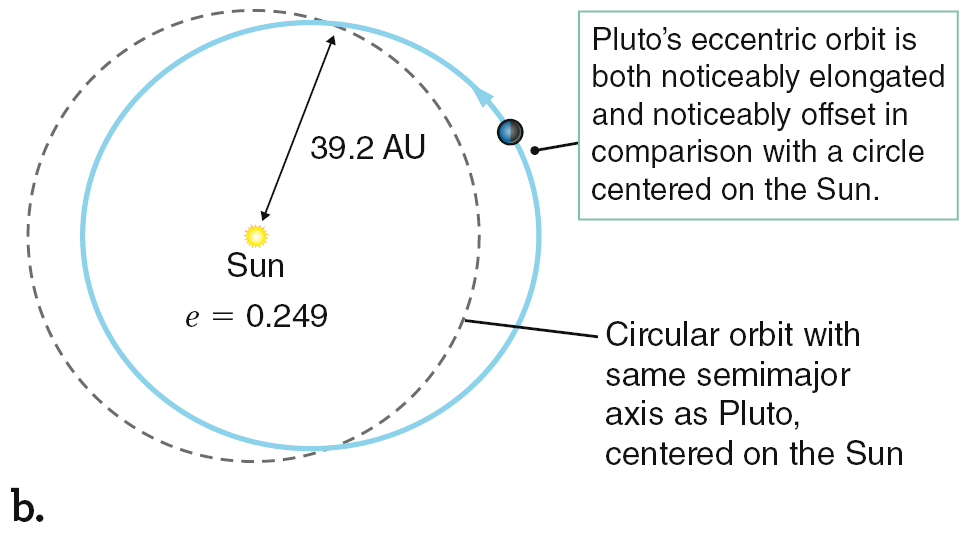
Most planetary objects in our Solar System have nearly circular orbits (that is, they are ellipses with very low eccentricities). As Figure 3.14a shows, Earth’s orbit, with an eccentricity of 0.017, is very nearly a circle centered on the Sun; therefore, the variation in distance between Earth and the Sun is small. In contrast, dwarf planet Pluto’s orbit (Figure 3.14b) has an eccentricity of 0.249. The Sun is noticeably offset from center, and the orbit is elongated.
Figure 3.14 The orbits of a. Earth and b. Pluto in comparison with circles around the Sun. e= eccentricity.
The Process of Science Figure traces the steps that led to the development of Kepler’s first law. Along the way, several theories were falsified. Recall from Chapter 1 that in order for a theory to be scientific, it must be falsifiable.
Kepler’s Second Law
By analyzing Tycho’s observational data of changes in the planets’ positions, Kepler found that a planet moves fastest when closest to the Sun and slowest when farthest from the Sun. We now know that Earth’s average speed in its orbit around the Sun is 29.8 kilometers per second (km/s). When closest to the Sun, Earth travels at 30.3 km/s. When farthest from the Sun, Earth travels at 29.3 km/s.
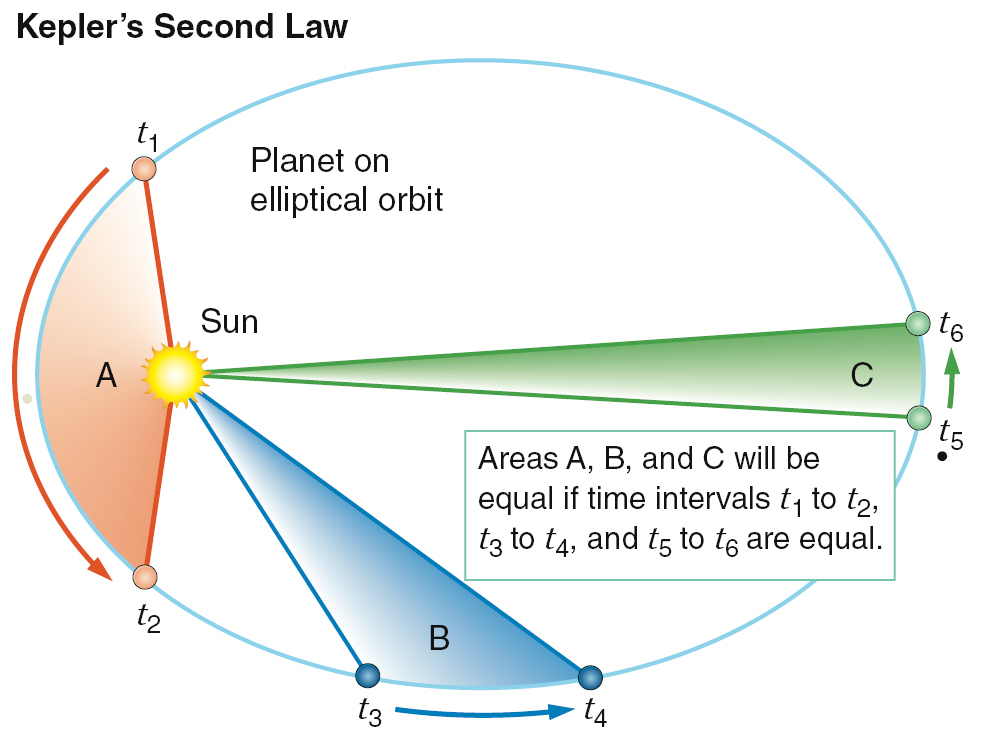
Kepler found an elegant way to describe the changing speed of a planet in its orbit around the Sun. Figure 3.15 shows the location of a planet along the ellipse of its orbit at six different times (t1 to t6). Imagine a straight line connecting the Sun with that planet. That line “sweeps out” an area as the planet moves from one point on the ellipse to another. Area A (in orange) is swept out between times t1 and t2, area B (in blue) is swept out between times t3 and t4, and area C (in green) is swept out between times t5 and t6. Kepler realized that if the three time intervals in the figure are equal (that is, t1→t2=t3→t4=t5→t6), then the three areas A, B, and C must be equal as well. In order for this to be true, the planet must move fastest when it is closest to the Sun (area A), because it must cover the largest distance in its orbit. When the planet is farthest from the Sun (Area C), it must move more slowly because it covers a smaller distance in its orbit. This change in speed balances the change in distance so the area remains the same.
PROCESS of SCIENCETheories Are Falsifiable
Early astronomers studied the motions of the planets, but did not understand why the planets behaved as they do.
In order for a theory to be scientific, it must be falsifiable, even if the test can’t be carried out until decades or centuries later. Disproving an old theory is part of the self-correcting nature of science: It always leads to deeper understanding.
Figure 3.15 An imaginary line between a planet and the Sun sweeps out an area as the planet orbits. According to Kepler’s second law, the three areas A, B, and C will be the same if the three time intervals shown are equal.
Kepler’s second law, also called Kepler’s law of equal areas, states that the imaginary line connecting a planet to the Sun sweeps out equal areas in equal times, regardless of where the planet is along the ellipse of its orbit. That law applies to only one planet at a time. The area swept out by Earth in a given time interval is always the same. Likewise, the area swept out by Mars in a given time is always the same. But the area swept out by Earth and the area swept out by Mars in a given time are not the same. Kepler’s second law can be used to find the speed of a planet anywhere in its orbit.
what if . . .
What if you read online that “experts have discovered a new planet with a distance from the Sun of 2 AU and a period of 4 years”? Use Kepler’s third law to argue that this is impossible.
Kepler’s Third Law
Kepler looked for patterns in the planets’ orbital periods. Compared with planets closer to the Sun, he found that planets farther from the Sun have longer orbits and move more slowly in those orbits. Kepler discovered a mathematical relationship between a planet’s sidereal period—how many years the planet takes to go around the Sun and return to the same position in the Solar System—and its average distance from the Sun in astronomical units. Kepler’s third law states that the square of the sidereal period (P) is equal to the cube of the semimajor axis (A). This is true in the Solar System, where the period is measured in Earth years, and the semimajor axis is measured in AU.
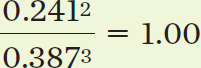
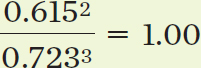
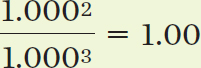
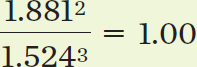
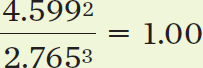
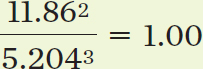
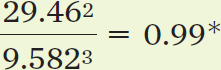
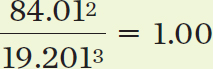
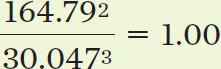
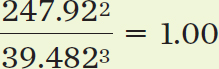
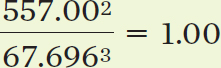
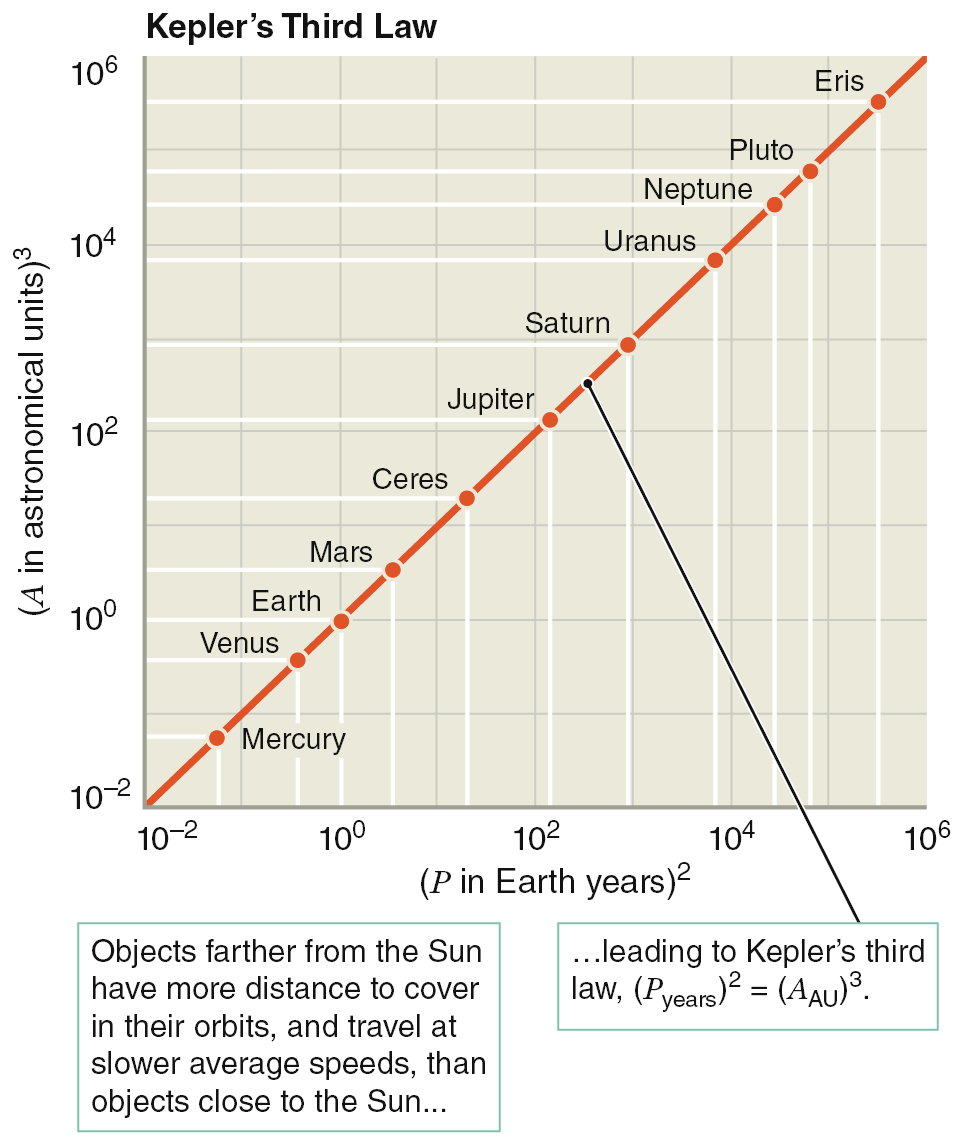
Table 3.2 lists the periods and semimajor axes of the orbits of the eight classical planets and three of the dwarf planets, along with the values of the ratio P2 divided by A3. Those data are also plotted in Figure 3.16. Kepler referred to that relationship as his harmonic law or, more poetically, as the “Harmony of the Worlds.” Kepler’s third law is explored further in Working It Out 3.2. Kepler’s laws enhanced the heliocentric mathematical model of Copernicus and led to its greater acceptance.
Table 3.2
Kepler’s Third Law: P2 = A3
Planet
Period P (years)
Semimajor Axis A (AU)
Mercury
0.241
0.387
Venus
0.615
0.723
Earth
1.000
1.000
Mars
1.881
1.524
Ceres
4.599
2.765
Jupiter
11.86
5.204
Saturn
29.46
9.582
Uranus
84.01
19.201
Neptune
164.79
30.047
Pluto
247.92
39.482
Eris
557.00
67.696
*Ratios are not exactly 1.00 because of slight perturbations from the gravity of other planets.
Figure 3.16 A plot of A3 versus P2 for objects in our Solar System shows that they obey Kepler’s third law. (By plotting powers of 10 on each axis, we can fit both large and small values on the same plot. We will use that approach often.)
working it out 3.2
Kepler’s Third Law
Kepler’s third law states that the square of the period of a planet’s orbit measured in years, Pyears, is equal to the cube of the semimajor axis of the planet’s orbit measured in astronomical units, AAU. As an equation, the law says
(Pyears)2= (AAU)3
For mathematical convenience, Kepler used units based on Earth’s orbit—astronomical units and years. If other units were used, such as kilometers and days, P2 would still be proportional to A3, but the constant of proportionality would not be 1.
To calculate the average size of Neptune’s orbit in astronomical units, you first need to find out how long Neptune’s period is in Earth years, which you can determine by observing the synodic period and from that computing its sidereal period (using Working It Out 3.1). Neptune’s sidereal period is 165 years. Plugging that number into Kepler’s third law gives the following result:
(Pyears)2= (165)2= 27,225 = (AAU)3
To solve that equation, you must first square 165 to get 27,225 and then take its cube root (see Appendix 1 for calculator hints). Then
The semimajor axis of Neptune’s orbit—that is, the average distance between Neptune and the Sun—is 30.1 AU.
CHECK YOUR UNDERSTANDING 3.2
Order the following from largest to smallest semimajor axis: (a) a planet with a period of 84 Earth days; (b) a planet with a period of 1 Earth year; (c) a planet with a period of 2 Earth years; (d) a planet with a period of 0.5 Earth years.
A conic section produced by the intersection of a plane with a cone when the plane is passed through the cone at an angle to the axis other than 0° or 90°. The shape that results when you attach the two ends of a piece of string to a piece of paper, stretch the string tight with the tip of a pencil, and then draw around those two points while keeping the string taut.
Also called harmonic law. A rule of planetary motion that Johannes Kepler inferred, describing the relationship between the period of a planet’s orbit and its distance from the Sun. The law states that the square of the period of a planet’s orbit, measured in years, is equal to the cube of the semimajor axis of the planet’s orbit, measured in astronomical units: (Pyears)25 (AAU)3.
Also called law of equal areas. A rule of planetary motion that Johannes Kepler inferred, stating that a line drawn from the Sun to a planet sweeps out equal areas in equal times as the planet orbits the Sun.
Also called harmonic law. A rule of planetary motion that Johannes Kepler inferred, describing the relationship between the period of a planet’s orbit and its distance from the Sun. The law states that the square of the period of a planet’s orbit, measured in years, is equal to the cube of the semimajor axis of the planet’s orbit, measured in astronomical units: (Pyears)25 (AAU)3.



 what if . . .



 Answer