ANTHROPOLOGISTS ENGAGE THE WORLD


Jason De LeónBackpacks, Baby Bottles, and Tattoo Guns: The Stuff of Migrant Journeys
In his innovative ethnography Land of Open Graves: Living and Dying on the Sonoran Desert Migrant Trail (2015), anthropologist Jason De León brings a four-field anthropological approach to documenting the experiences of Mexican migrants crossing the U.S.–Mexico border. His attention to the details of migrants’ journeys—their stories, their religious beliefs, their physical bodies, their use of language, and the stuff they carry—brings to life the violence, brutality, courage, and humor of the border-crossing experience and the human consequences of U.S. immigration policy.
De León’s attention to stuff—from backpacks and shoes to religious icons and baby bottles—has broken new ground in anthropology, bringing the skills of archaeology into the contemporary moment and interweaving them with a strong ethnographic framing. “I was always really interested in archaeology as a kid. I had visited archaeological sites in Mexico when I was young and those things really stuck with me. As an undergrad at UCLA, the four-field focus really laid the groundwork. But before I knew what archaeology was, objects really fascinated me. The history of individual objects—what I would call my archaeological sensibility—really pervades everything else that I do anthropologically.
“As someone who was trained as an archaeologist, I’ve found that an archaeological approach can tell you a lot about things that perhaps language, biology, and ethnography can’t really speak to. I’ve really come to believe in the power of the object to help tell a story.
“At the beginning of my research I thought, ‘Okay, I’m going to the Arizona desert, I’m going to see a lot of stuff out there, and I’m going to use this training in archaeology to try and understand that process.’ But I didn’t have a very good understanding of material culture and what these objects could and couldn’t tell me about historical and contemporary moments. Today, my interest in archaeology is focused on how it can help me address a particular question. That’s why for me the four-field approach is so helpful. I can borrow from whoever I want in anthropology depending on the scenario.
“Some people say, ‘Objects don’t lie.’ I’m like, of course objects lie. Objects lie all the time. People manipulate the archaeological record in so many ways, for various reasons. So I think this idea that the object itself can speak for people, I think that is really dangerous territory.
“I worry about robbing the voices of people themselves through this archaeological kind of authority. I think it’s especially true for undocumented people. Here you’ve got a group of folks who don’t have a very upfront political voice, who often aren’t able to tell their own stories. So any person from the outside can come in and say, ‘Hey, check out this stuff that I found in the desert, let me tell you all about this experience.’ That really bothers me.
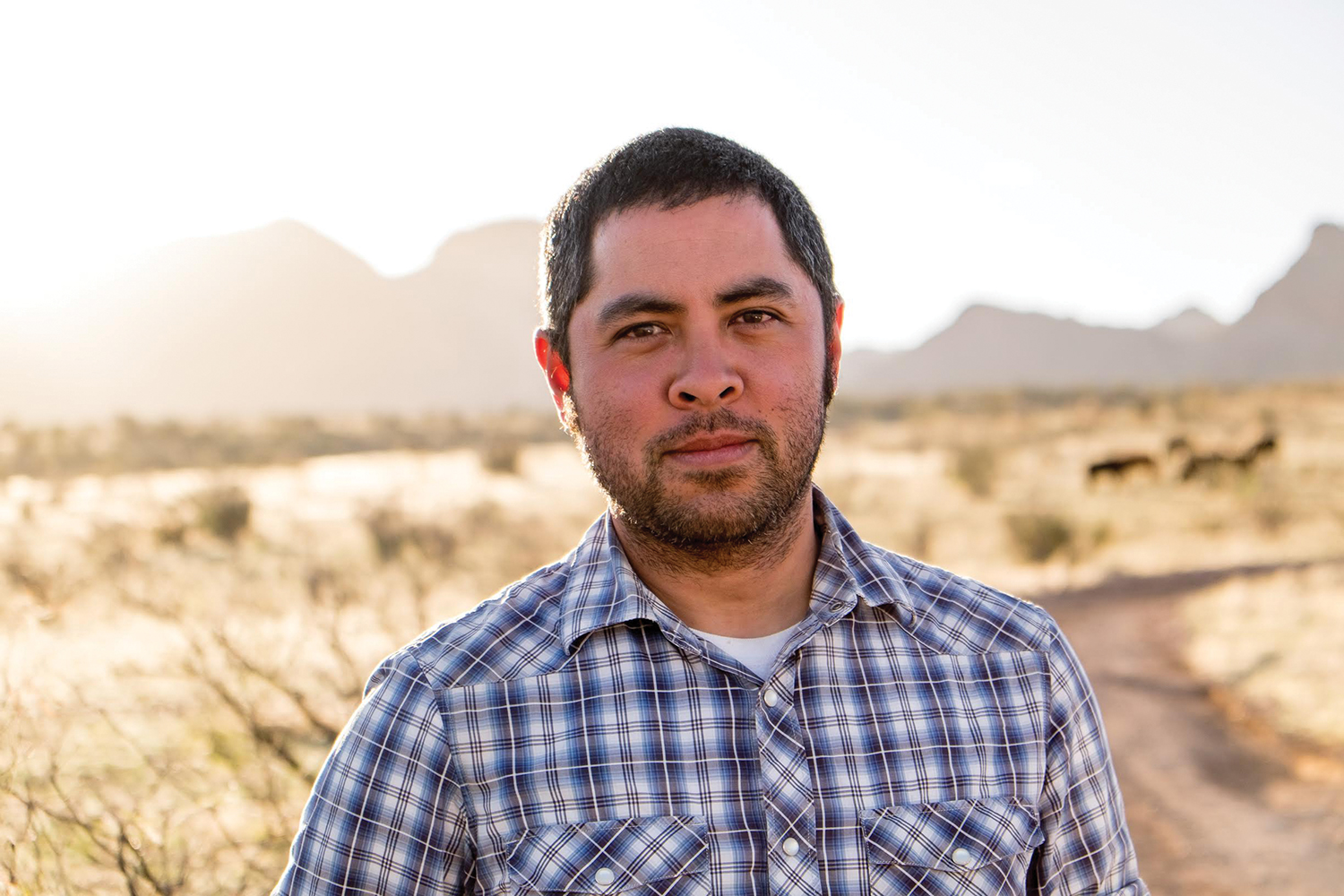
More information
A photo of Jason De León. He has short hair, short facial hair, and is wearing a plaid shirt. He appears to be standing on a path in a desert landscape.
“I think objects can do important social, cultural, political work. We’ve done different exhibits and displayed stuff in different ways. But we want to present these objects in conversation with the ethnographic data. People can really empathize with baby shoes or baby bottles or backpacks. But they have a hard time empathizing with the folks who actually left that stuff behind. So the challenge has really been to take those objects and say, these objects don’t tell their own story. These objects tell stories about people’s experiences.
“At the end of the day, my goal has always been to try to stay true to the people. I always try to put them first. Do the objects help me do that? Sometimes they do. Do other approaches help humanize them? Sometimes they do. But at the end of the day I wanted the story to be told through their voices.”
Recently, De León has shifted his research away from the U.S.–Mexico border to Chiapas, in the south of Mexico, where an entire migration industry has grown to facilitate the movement of people, many from Central America, across Mexico on their way to the U.S. border. “When I went to Chiapas I decided I didn’t want to work inside the migrant shelters anymore. So I decided to hang out outside. What I found was a whole different set of people who were involved in the migration process who had really been ignored. There is a bit of archaeology still. But right now it’s about smugglers and the border patrol with a greater focus on the visual. I think both the smuggler voice and the law enforcement voice were missing from my book. How do I humanize smugglers? How do I humanize the border patrol? And how do I take on a whole new methodological approach that focuses on the visual?”
“
”
I’ve really come to believe in the power of the object to help tell a story.
De León’s fieldwork continues to interweave an interest in objects and things but now incorporates an increasing interest in the visual. His revealing photographs, some displayed on his website (www.jasonpatrickdeleon.com), focus not on people’s faces but on the little details of an immigrant’s life. “What’s in the wallet? Does one’s wallet tell me more than their face? Focusing on those little details really adds to the richness of the ethnographic detail. I think photographs of people’s faces can be really limiting. And I like the mystery of not knowing what a person looks like. Often I can’t show their picture because I’m concerned for their safety and I don’t want to out them by photographing their face. But what can you learn about them from looking at their hands? Or the things they carry in their backpack? Are there other details that can add to the richness? So I’m always asking, ‘Hey, what’s in your pockets? What’s in your backpack? Let me take a picture of your shoes.’
“I think sometimes migrants think these pictures are a little strange. But occasionally I can have a more in-depth discussion about the objects, and the objects become an inroad to some other topic. ‘Okay, well, show me your tattoo gun.’ Then I’m thinking about how the tattoo gun connects up to perceptions of the body or violence or the state.
“People are attuned to objects in very unique, specialized ways. I’ll just say, ‘Look, I’m just so fascinated by the way you guys use stuff!’ And then the stuff becomes a window into all kinds of processes.”
De León also leads a field school for students each summer in Mexico, part of his commitment to preparing students to think anthropologically and live more fully in today’s world. “If you can do a field school, if you can do something that will get you, not just traveling, but getting into the field and doing some work with people, it is a life-changing experience. It has been for me.”