1.3 |
Scientific Facts and Theories |
What are “facts”? In casual conversation, we typically use the term to mean things that are known to be true, as opposed to things that are simply guesses. A scientific fact is a direct and repeatable observation of any aspect of the natural world. An example of such an observation might be that an apple, when dropped, falls to the ground—not up into the sky. Figure 1.3 noted a fact: the average temperature of Earth has increased by about 1°C in the last 100 years—a phenomenon known as global warming. We noted another fact in Figure 1.7: in the 1970s, Greenland Inuits consumed more fish than the average North American.
What does the word “theory” mean to you? Outside of science, people often use the word to mean an unproven explanation. If something unusual occurs, someone might say, “I have a theory about how that happened.” The theory could be anything from a wild guess to a well-considered explanation, but either way it is “just a theory.”
Scientists use the term “theory” to mean something very different. If an idea is merely one of many explanations, it is a hypothesis. In contrast, a scientific theory is a major explanation about the natural world that has been confirmed through extensive testing in diverse ways by independent researchers. Furthermore, competing hypotheses are ruled out. When experts in the field recognize the validity of one hypothesis, or a set of related hypotheses, these explanations of nature become accepted as a scientific theory.
Scientific theories are not “iffy” ideas. They have such power to predict outcomes that we can base our everyday actions on them. Just one example is the germ theory of disease, experimentally tested and verified by Robert Koch in 1890. The germ theory of disease holds that some diseases are caused by microbes, minute organisms visible only with a microscope. This theory is the basis for treating infections and maintaining hygiene (cleanliness) in the modern world (FIGURE 1.11).
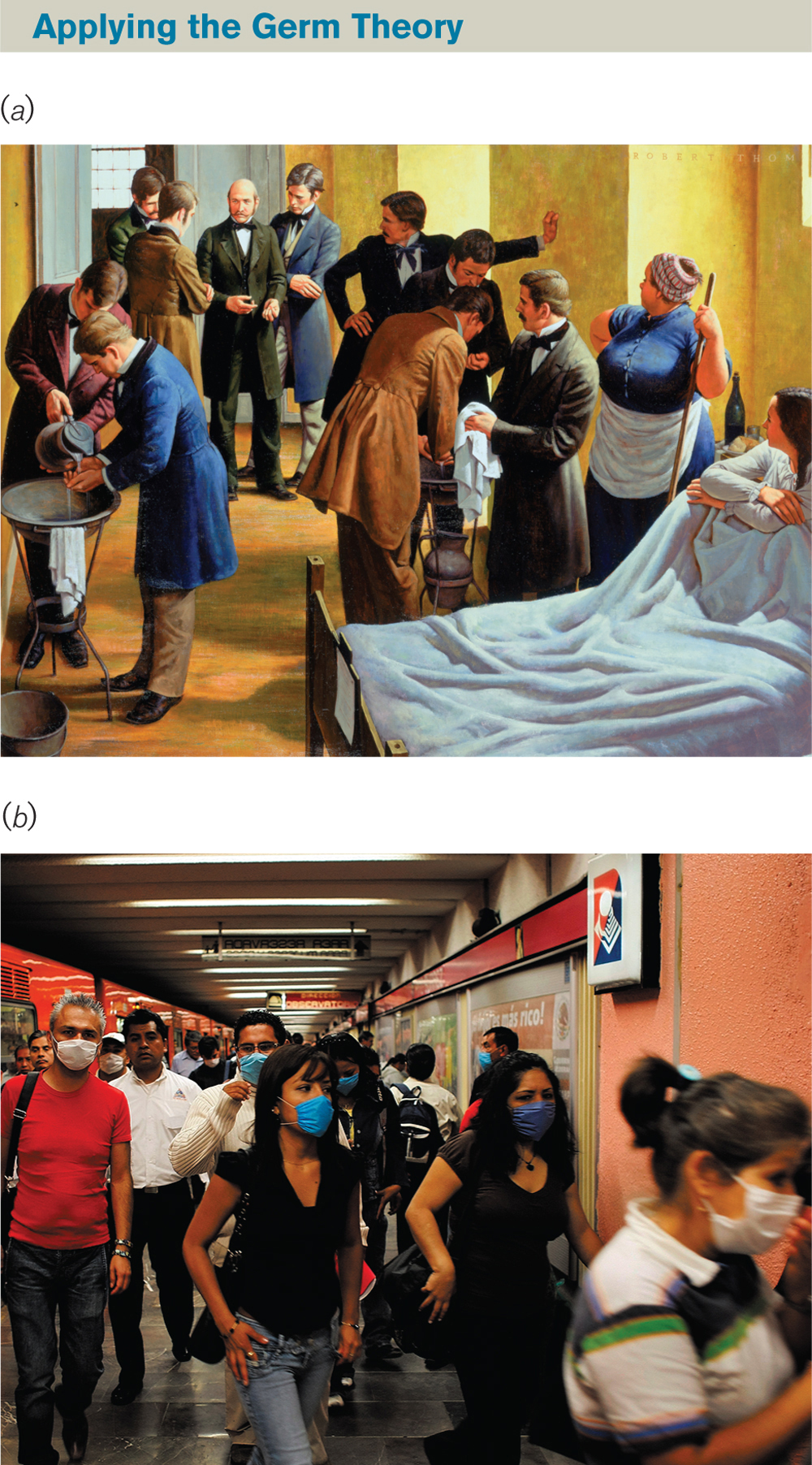
FIGURE 1.11 The Germ Theory of Disease Is a Scientific Theory
According to the germ theory, invisible microorganisms can cause diseases. Application of this theory, through such measures as scrupulous hand washing (a), cut death rates in hospital wards by half in the late nineteenth century. (b) Subway commuters in Mexico City attempted to protect themselves from infection during a swine flu outbreak in 2009 by wearing surgical masks.
Anthropogenic climate change is another example of a scientific theory. According to this theory, Earth’s climate has warmed over the past century and that warming is caused mainly by human activities (anthropo, “human”; genic, “generated by”). The great majority of scientists agree that this theory is well supported by many observations and scientific experiments from fields as diverse as climatology, geology, and ecology.
Some of the predictions of this theory have been borne out. Climate models had predicted the melting of glaciers in many parts of the world, as well as a reduction in the summer sea ice in the Arctic Ocean, well before these predictions could be reliably measured. Citizen scientists participating in the Christmas Bird Count have brought to light evidence supporting another prediction: that some migratory species will shift their range northward in response to climate change (see Figure 1.3).
Concept Check
1. How is a scientific hypothesis different from a scientific theory?
A hypothesis is an educated guess that can be confirmed by observation, experiments, or both. A scientific theory is a major component of knowledge that has been confirmed through extensive testing in many ways by independent researchers.
2. Is anthropogenic climate change an example of a scientific hypothesis, fact, or theory?
Theory.