|
Table 1.1
Microbes and Human History
|
|
Date
|
Microbial Discovery
|
Discoverer(s)
|
|
Microbes Impact Human Culture without Detection
|
|
10,000 BCE
|
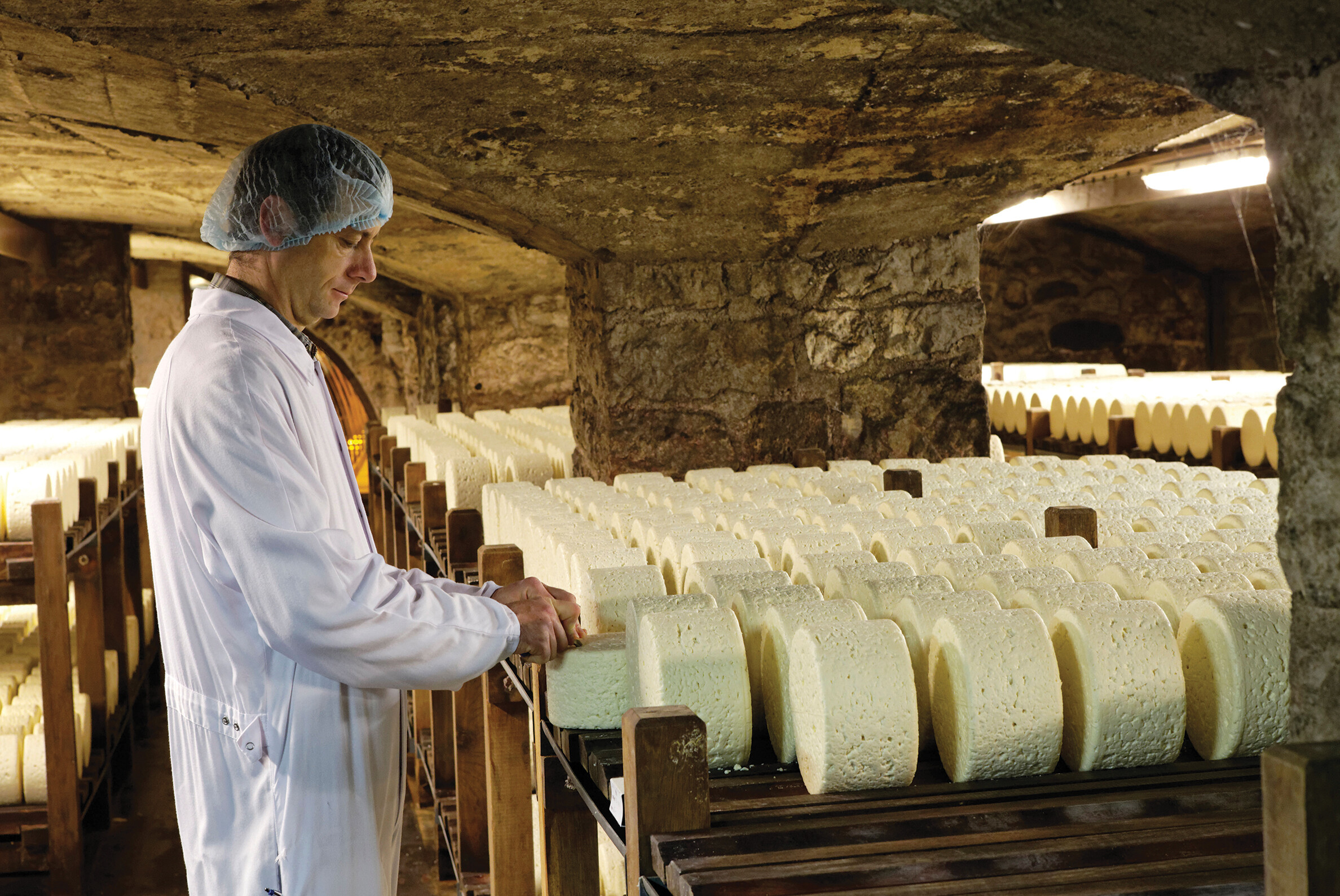
Food and drink are produced by microbial fermentation.
|
People of Africa and Asia
|
|
1500 BCE
|
Tuberculosis, polio, leprosy, and smallpox are evident in mummies and tomb art.
|
People of Africa and Asia
|
|
1000 CE
|
Smallpox immunization is accomplished by transfer of secreted material.
|
People of Africa and Asia
|
|
1025 CE
|
Quarantine was invented to prevent spread of disease.
|
Avicenna, or Ibn Sina (Persia)
|
|
1300–1400 CE
|
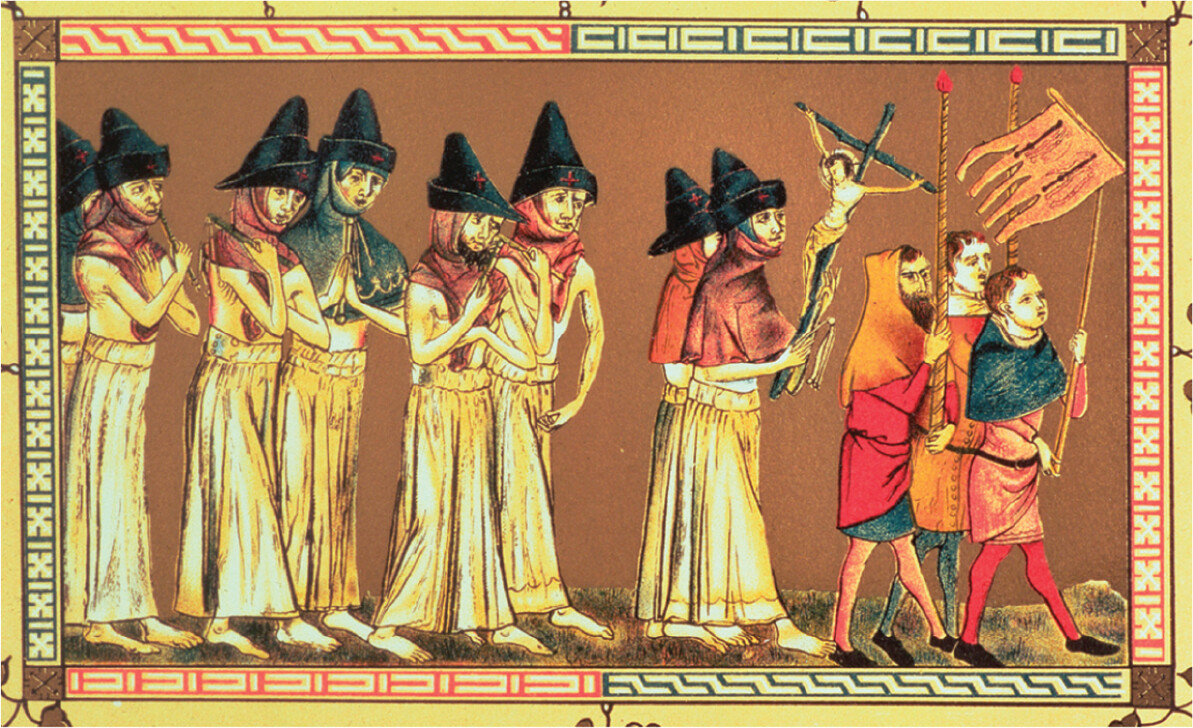
The Black Death (bubonic plague) kills 17 million people in Europe and Asia.
|
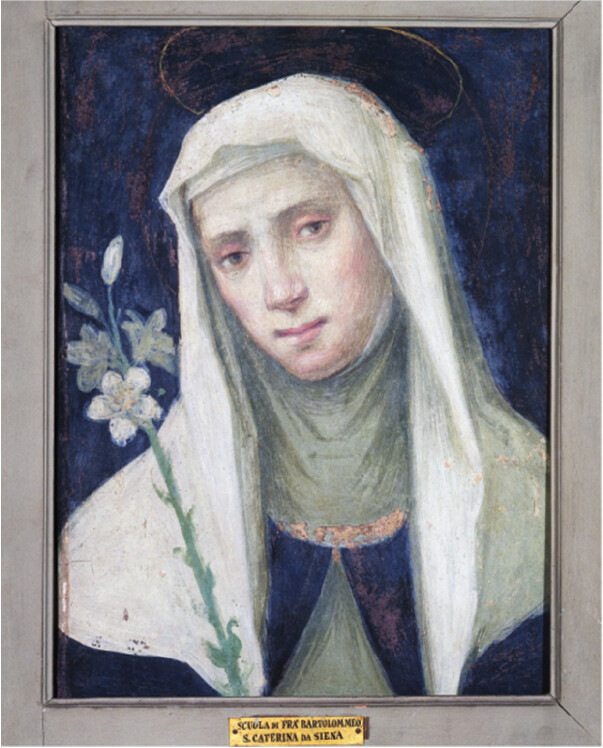
Saint Catherine of Siena nursed plague victims (Italy).
|
|
Early Microscopy and Microbial Disease
|
|
1676
|
Microbes are observed under a microscope.
|
Antonie van Leeuwenhoek (Netherlands)
|
|
1717
|
Smallpox is prevented by inoculation of pox material, a rudimentary form of immunization.
|
Lady Montagu brought from Turkey to England, and Onesimus brought from Africa to New England
|
|
1765
|
Microbes fail to grow after boiling in a sealed flask; evidence against spontaneous generation.
|
Lazzaro Spallanzani (Padua)
|
|
1798
|
Cowpox vaccination prevents smallpox.
|
Edward Jenner (England)
|
|
“Golden Age” of Microbiology as Science
|
|
1847–1867
|
Antisepsis prevents patient death during surgery and childbirth.
|
Ignaz Semmelweis (Hungary) and Joseph Lister (England)
|
|
1855–1867
|
Statistics show that poor sanitation leads to mortality (Crimean War).
|
Florence Nightingale (England)
|
|
1857–1881
|
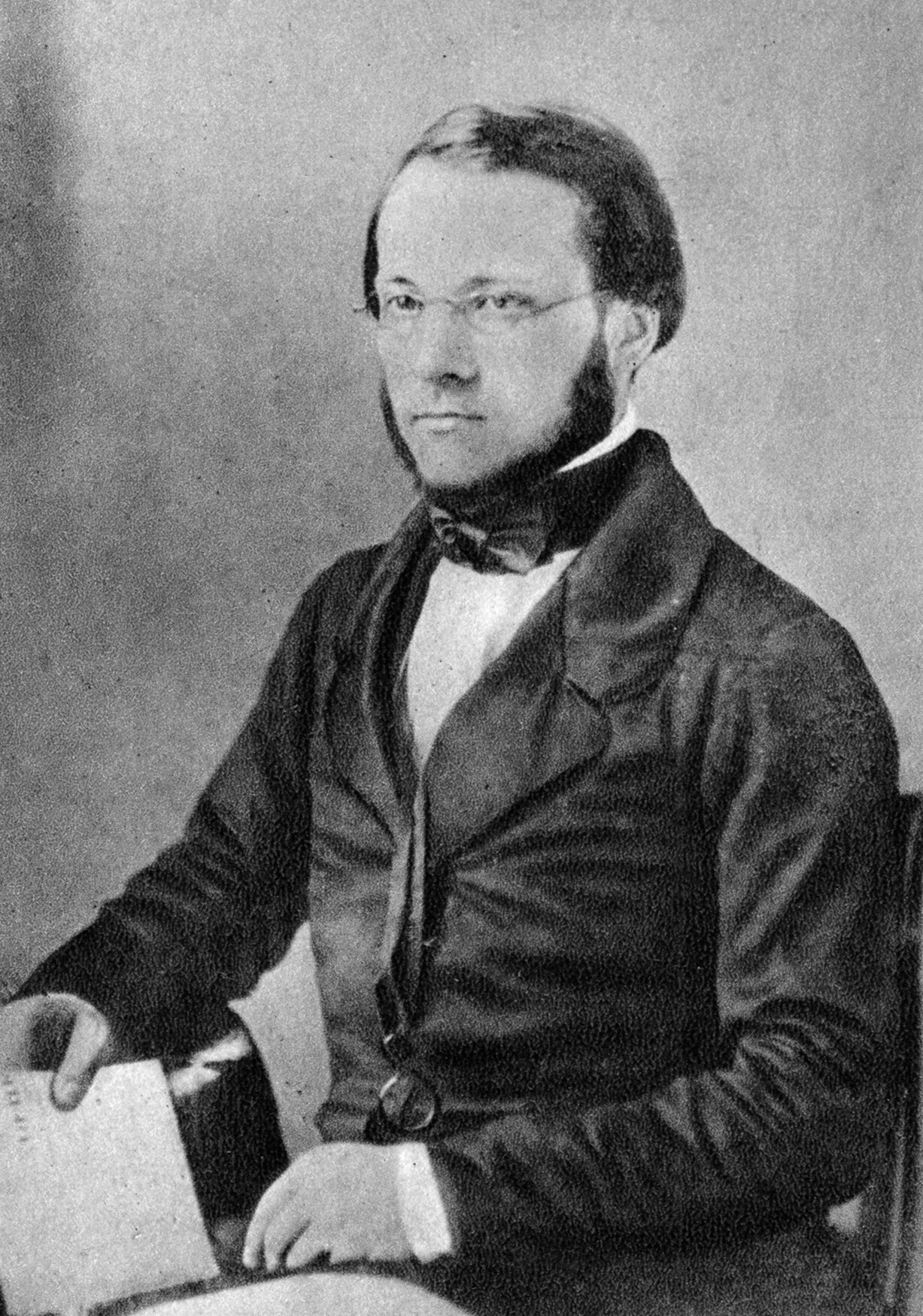
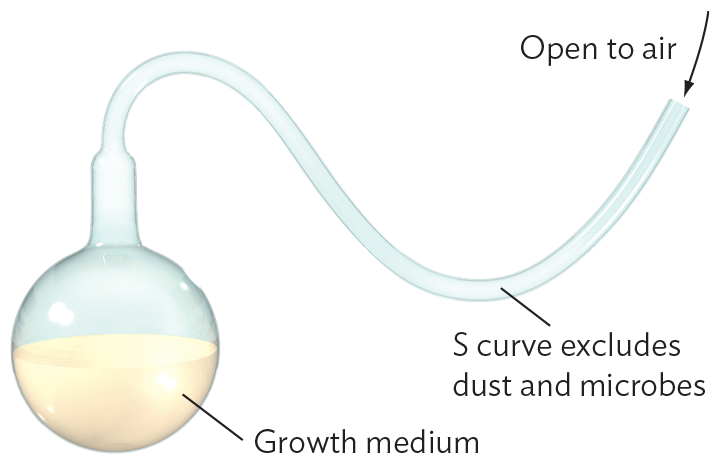
Microbial fermentation produces lactic acid or alcohol. Microbes fail to appear spontaneously, even in the presence of oxygen. The first artificial vaccine is developed (against anthrax).
|
Louis Pasteur (France)
|
|
1877–1884
|
Bacteria are a causative agent in developing anthrax. The first pure isolate, Mycobacterium tuberculosis, is cultured on a solid medium. Koch’s postulates demonstrate the microbial cause of diseases (anthrax and tuberculosis).
|
Robert Koch (Germany)
|
|
1884
|
Gram stain is devised to distinguish bacteria from human cells.
|
Hans Christian Gram (Denmark)
|
|
1889–1899
|
The concept of a virus is proposed to explain tobacco mosaic disease.
|
Martinus Beijerinck (Netherlands)
|
|
Biochemistry, Genetics, and Medicine
|
|
1900
|
Yellow fever is shown to be transmitted by mosquitoes.
|
Walter Reed (USA) and Carlos Finlay (Cuba)
|
|
1908
|
Antibiotic Salvarsan is synthesized to treat syphilis (chemotherapy).
|
Paul Ehrlich (USA) and Sahachirō Hata (Japan)
|
|
1911
|
Cancer in chickens can be caused by a virus.
|
Francis Peyton Rous (USA)
|
|
1918
|
Influenza A pandemic kills 50 million people worldwide.
|
Worldwide
|
|
1928
|
Streptococcus pneumoniae bacteria are transformed by a genetic material from dead cells.
|
Frederick Griffith (England)
|
|
1929
|
Penicillin, the first widely successful antibiotic, is made by a fungus.
|
Alexander Fleming (Scotland), Howard Florey (Australia), and Ernst Chain (Germany)
|
|
1941
|
One gene encodes one enzyme in Neurospora (bread mold).
|
George Beadle and Edward Tatum (USA)
|
|
1941
|
Poliovirus is grown in human tissue culture.
|
John Enders, Thomas Weller, and Frederick Robbins (USA)
|
|
1944
|
DNA is the genetic material that transforms Streptococcus pneumoniae.
|
Oswald Avery, Colin MacLeod, and Maclyn McCarty (USA)
|
|
1948
|
Protein structure of the alpha helix is discovered by X-ray crystallography.
|
Herman Branson, Linus Pauling, and Robert Corey (USA)
|
|
1952
|
DNA is injected into a cell by a bacteriophage.
|
Martha Chase and Alfred Hershey (USA)
|
|
Molecular Biology and Medicine
|
|
1953
|
The overall structure of DNA is a double helix, based on X-ray crystallography.
|
Rosalind Franklin and Raymond Gosling (England)
|
|
1953
|
Double-helical DNA consists of antiparallel chains connected by the hydrogen bonding of AT and GC base pairs.
|
James Watson (USA) and Francis Crick (England)
|
|
1961
|
Biochemical energy is stored in a proton gradient across the membrane of bacteria, mitochondria, and chloroplasts.
|
Peter Mitchell and Jennifer Moyle (England)
|
|
1968
|
Serial endosymbiosis explains the evolution of mitochondria and chloroplasts.
|
Lynn Margulis (USA)
|
|
1969
|
Retroviruses contain reverse transcriptase, which copies RNA to make DNA.
|
Howard Temin, David Baltimore, and Renato Dulbecco (USA)
|
|
1953–1971
|
Oral rehydration therapy (ORT) is developed for dehydration due to diarrhea and cholera, saving millions of lives.
|
Hemendra Chatterjee and Dilip Mahalanabis (India); Robert Phillips (USA)
|
|
1973
|
A recombinant DNA molecule is made in vitro (in a test tube).
|
Annie Chang, Stanley Cohen, Robert Helling, and Herbert Boyer (USA)
|
|
1977
|
A DNA sequencing method is invented and used to sequence the first genome of a virus.
|
Frederick Sanger, Walter Gilbert, and Allan Maxam (USA)
|
|
1977
|
Archaea are a third domain of life, the others being Bacteria and Eukaryotes.
|
Carl Woese (USA)
|
|
1979
|
Smallpox is declared eliminated—the culmination of worldwide efforts of immunology, molecular biology, and public health.
|
World Health Organization
|
|
Genomics and Medicine
|
|
1981
|
The polymerase chain reaction (PCR) makes available large quantities of DNA.
|
Kary Mullis (USA)
|
|
1981–1983
|
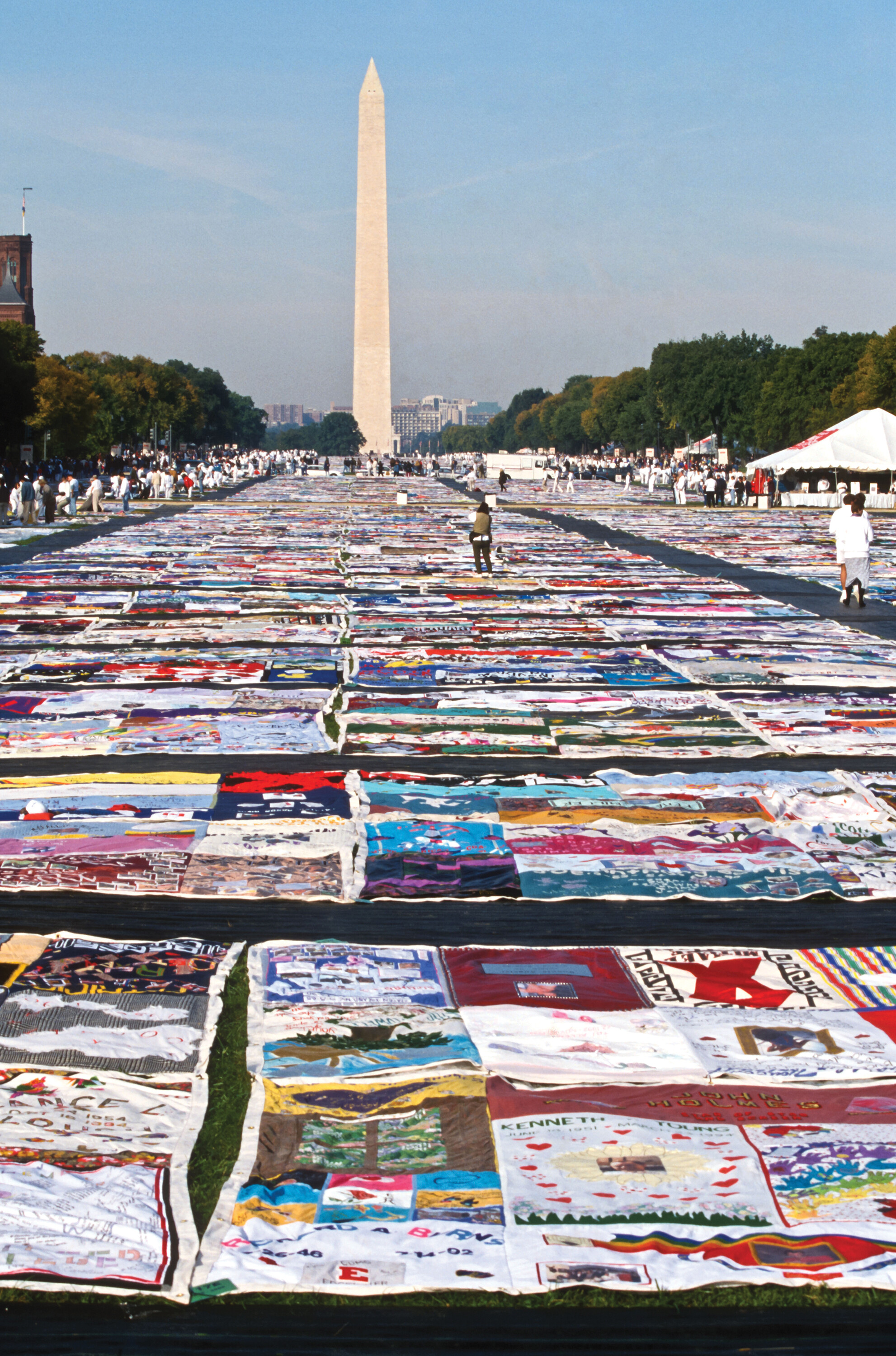
AIDS pandemic begins (continues into present). Human immunodeficiency virus (HIV) is discovered as the cause of AIDS.
|
Françoise Barré-Sinoussi and Luc Montagnier (France), Robert Gallo (USA), and others
|
|
1993
|
Gene therapy using a vector derived from HIV succeeds in treating severe combined immunodeficiency disorder (SCID).
|
Donald Kohn and others (USA)
|
|
1995
|
The first bacterial genome is sequenced: Haemophilus influenzae.
|
Craig Venter, Hamilton Smith, Claire Fraser, and others (USA)
|
|
1988–2013
|
Fecal microbiota transplant cures intestinal infections of drug-resistant Clostridioides difficile (CDI).
|
Thomas Borody and others (Australia and USA)
|
|
2014
|
Human Microbiome Project releases first compilation of microbes associated with healthy human bodies.
|
National Institutes of Health (USA)
|
|
2019
|
CRISPR gene editing is used to treat human patients for multiple myeloma, a cancer of white blood cells.
|
University of Pennsylvania
|
|
2019–2023
|
COVID-19 coronavirus is discovered and causes pandemic respiratory illness.
|
Li Wenliang (China)
|