Research Motivations
1.4 Feminism Comes to Psychology
What were experiences within the field of psychology like for women from the late 19th century through the mid-20th century?
Now that you have a better understanding of what feminism is and isn’t, let’s explore how feminism has influenced psychology. Much like the women’s movement discussed earlier in this chapter, feminism took many years to transform the field of psychology. Throughout the history of American psychology, many individual women have worked toward change, and coalitions of women have collaborated to end discriminatory practices within the field. There have been some dramatic moments. Historians confirm that without feminist activism, the field of psychology would be very different from what it is today (Rutherford, 2021). A key question that feminist psychologists continue to ask is, “Who makes the knowledge in psychology, for what purpose, and to what ends?” (Rutherford, 2013, p. 2). We hope you continue to reflect on these questions as you read about all of the topics covered in this book.
In the Beginning
At the end of the 19th century, the field of psychology emerged in the United States and was heavily influenced by popular beliefs of the time—namely, that white, heterosexual men were the norm and superior to other people (Shields & Bhatia, 2009). Psychologists, who were almost exclusively white men, drew from biological and evolutionary theories to explain and justify existing social beliefs, even when data suggested otherwise (Shields, 2016). Women were deemed inferior due to their reproductive capacity and their brain size (Shields 1975, 2007). For example, scientists initially thought that men had larger brains than women (since their skulls were larger), which supposedly would justify women’s inferiority. But when scientists subsequently measured brain weight as a ratio to body weight and found that women’s brains are actually larger than men’s, brain size lost favor as an area of research.
Other studies of this era reflected scientific racism, or the use of scientific concepts and data to create and justify a biologically-based hierarchy. For example, one study published in 1895 showed that First Peoples and Black participants had quicker reaction times than white participants (Bache, 1895). However, this difference was attributed to primitive reflexes rather than skill. The prevailing view was that white women were fragile and subordinate to white men, while people of color were primitive, or less developed (Shields, 2016). These biased beliefs fueled a great many studies that positioned white men at the top of a sex/gender and racial hierarchy in terms of intellect and personality. These studies also informed dominant perceptions of sexuality at the time, solidifying early beliefs about the superiority of heterosexuality (Hegarty, 2007). A prominent early psychologist, Lewis Terman, who pioneered the development of IQ tests, explicitly linked intelligence with both masculinity and heterosexuality. When data suggested otherwise, he came up with elaborate explanations for why (Hegarty, 2007). For example, when one of the high-IQ boys in Terman’s famous “Genetic Studies of Genius” was arrested for having a sexual encounter with a man, Terman denied he was a “true homosexual” (Hegarty, 2007, p. 144). Rather, Terman claimed, this boy was a delayed heterosexual because of the influence of his feminist mother.
More information
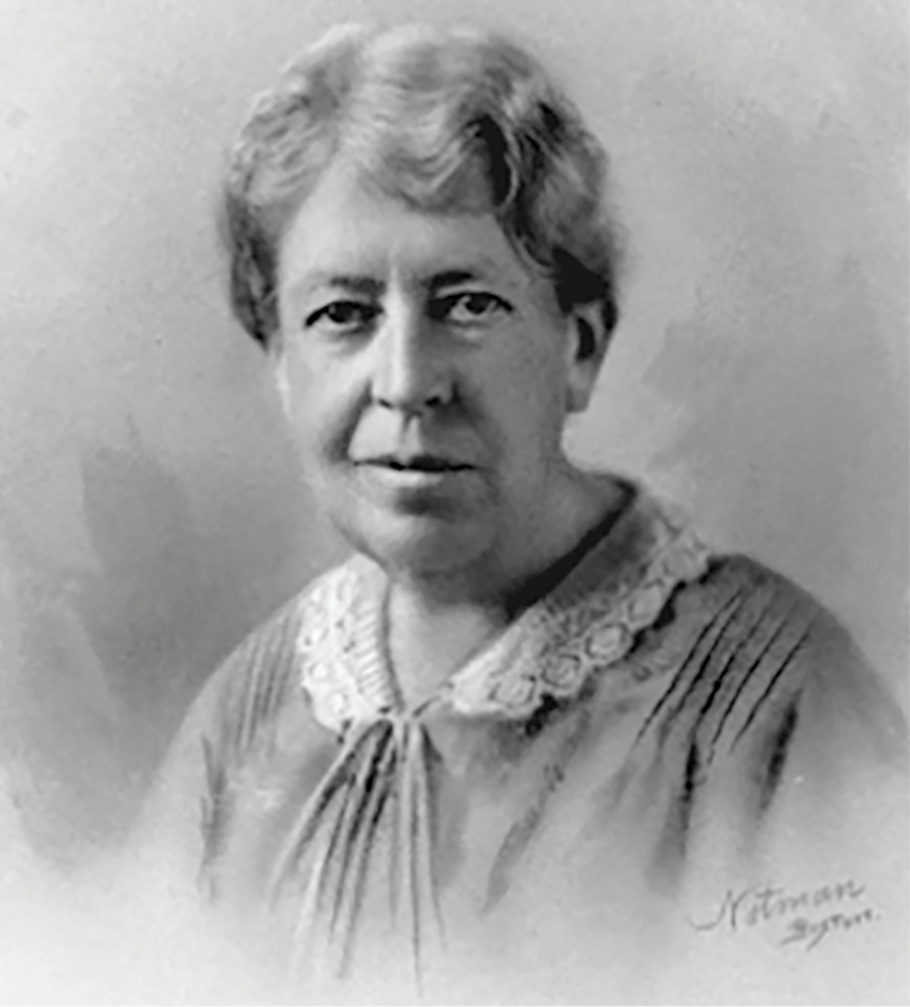
A black and white portrait of Mary Whiton Calkins.
Figure 1.11 Mary Whiton Calkins
Although Mary Whiton Calkins completed all the courses required for a PhD at Harvard and later became the first female president of the American Psychological Association (APA), she was never awarded her degree, either in her lifetime or after her death.
Female psychologists around the turn of the 20th century worked in an extremely sexist environment. Most female applicants were denied entrance into graduate programs, but some women—mostly wealthy and white—found ways to study psychology (Rutherford & Granek, 2010) (Figure 1.11). So much early scientific research was explicitly sexist that these women dedicated a great deal of their time to debunking problematic stereotypes (Rutherford & Granek, 2010). Early feminist psychologists conducted studies showing that menstruation did not impair mental or motor abilities (Hollingsworth, 1914) and that women and men were actually more similar than different on most psychological traits (Thompson, 1903). The need to defend against bias continued for so long that eventually feminist psychologists questioned the necessity of doing any research that focused on differences—whether to confirm or debunk those differences. Given this history, some feminist psychologists today continue to be wary of research that focuses on documenting gender differences. We will revisit this issue in Chapter 3.
Early 20th Century
The field of psychology began to be more diverse in the early 20th century. In 1933, Inez Beverly Prosser became the first Black woman to earn a doctorate in psychology. However, it wasn’t until 1962 that Martha Bernal became the first Latine woman to earn a PhD in psychology in the United States. She also self-identified as a lesbian.
More information
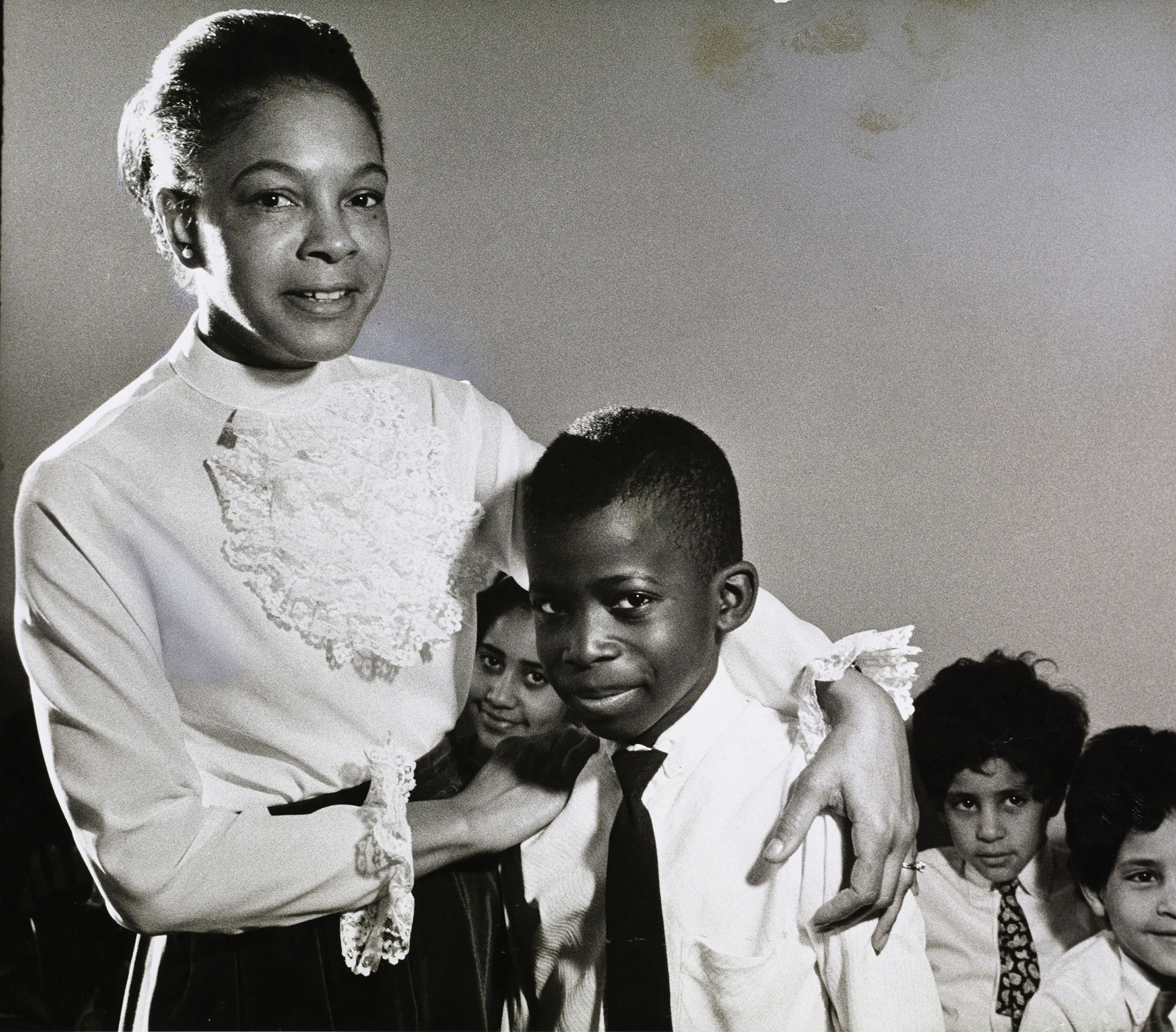
A photo shows African American Dr. Mamie Phipps Clark with her arm around a boy and surrounded by other children.
Figure 1.12 Dr. Mamie Phipps Clark
Dr. Mamie Phipps Clark started the Northside Center for Child Development in a one-room basement apartment in 1946. Today the center continues to provide services to more than 3,600 children and families each year.
Women of color faced double (and sometimes triple) discrimination connected to having multiple socially marginalized identities. One well-known Black female psychologist, Mamie Phipps Clark, was awarded her PhD in 1944 (Figure 1.12). At the time, she was the only Black student pursuing a PhD in psychology at Columbia University. As just one of the challenges she faced, her academic advisor believed in racial segregation. Moreover, she subsequently couldn’t find a job because most job descriptions specified that only men could apply. This barrier, however, didn’t extinguish her desire to make a difference in the field of psychology. She observed that young Black children were disproportionately affected by poverty and had limited access to quality psychological assessment and treatments. When she realized that existing clinics weren’t going to extend services to poor Black children from Harlem in New York City, she started the Northside Center for Child Development in a one-room basement apartment. Opened in 1946, the center continues to provide services to more than 3,600 children and families each year.
Moreover, Dr. Clark’s research was critical to the historic Supreme Court decision in Brown v. Board of Education. With her husband, psychologist Kenneth Clark, she published several studies showing how Black children were affected by racism. In the famous doll study, children were shown two dolls: one white and one Black (Clark & Clark, 1947). They were given a series of instructions: “Show me the doll that is the nice doll,” “Show me the doll that looks bad,” “Show me the doll that you like best.” The Black children consistently showed a preference for the white doll, which, according to the Clarks, was evidence of internalized racism. This conclusion helped persuade the Supreme Court to rule against segregation in U.S. public schools.
The Clarks’ doll experiment was the first time social science served as evidence in a Supreme Court case and was an example of how scholarship could be used to advance inclusion (Kluger, 1975). Today it’s standard practice to rely on psychological research in court hearings. Interestingly, most psychology students don’t know that the doll study was based on Mamie Clark’s master’s thesis. Although it’s a famous study in psychology, Kenneth Clark generally gets credit for its influence.
Mid-20th Century
What factors contributed to, and signaled the formation of, a specific discipline of psychology of women?
Although many women were working to undermine sexism in psychology, it wasn’t until the 1960s that psychology of women emerged as a field, corresponding with an upswing in civil rights activism in the United States and other parts of the world. In 1963, author and activist Betty Friedan published The Feminine Mystique, in which she identified Sigmund Freud and the entire field of psychology as being partially responsible for women’s oppression (Eagly et al., 2012; Friedan, 1963). Before the 1960s and 1970s, psychological research was almost “womanless” and “raceless” (Cundiff, 2012; Crawford & Marecek, 1989, p. 147). In 1968, psychologist Naomi Weisstein (1968/1992) published “Psychology Constructs the Female; or, The Fantasy Life of the Male Psychologist (With Some Attention to the Fantasies of His Friends the Male Biologist, and the Male Anthropologist),” in which she argued that the second-class status of women was responsible for many of the psychological effects observed in women. And in 1976, Black psychologist Robert V. Guthrie wrote Even the Rat Was White: A Historical View of Psychology, which demonstrated psychology’s extensive history of scientific racism. Taken together, these two publications pointed out that researchers in the field of psychology had not sufficiently considered how discrimination influenced their studies. However, both seemed to conceptualize race and sex/gender as largely distinct; intersectional analyses would come only much later in the history of psychology (Rutherford & Davidson, 2019).
Another area of interest in the mid-20th century was the clinical practice of psychology, which often involved sexist practices on the part of clinicians who abused their power over clients. Feminist psychologist Rachel Hare-Mustin recounted attending a session at an American Psychological Association (APA) convention in the early 1970s where four male clinical psychologists debated the merits of having sex with their clients (Hare-Mustin, 2017). She was shocked. Because of subsequent feminist activism, the APA revised its Ethical Standards to prohibit sexual contact between a therapist and a client. Today clients seek disciplinary action against psychologists who engage in sexual misconduct in therapy (Pope, 1993). The fact that the public understands the damaging effects of therapists’ sexual exploitation is a direct result of activism among feminist psychologists.
It may be hard to imagine now, but until 1969, female psychologists were excluded from participating in much of the field. For example, job descriptions were listed as being either for men or for women, and few women held high-ranking positions. Psychologist Nancy Henley, reflecting on this time, explained how women’s role in research was even called out in bibliographical references: “[I]n the reference lists, men’s names were listed with initials only. Women’s names had to have their first name so you could see they were women” (Henley, 2005, p. 5). Such discrimination was frustrating for the women who had spent years in school working to become psychologists, but a tipping point occurred in the late 1960s. Angered by the APA’s overt sexism and lack of female leadership, several psychologists formed an alternative organization, the Association for Women in Psychology (AWP). In 1970, 10 AWP members stormed a Town Hall meeting of the APA, presenting a list of 52 resolutions that they thought could address sexism within psychology (American Psychological Association Committee on Women in Psychology, 2004). These were wide ranging and included instituting nondiscrimination policies in hiring, establishing childcare centers on campuses, respecting part-time work, and encouraging colleges and universities to offer classes (like this one!) specific to the psychology of women. They demanded immediate action. This famous activist moment, referred to as the Storming of Council, was a catalyst for change within the field of psychology.
From 1969 to 1973, women spent many hours organizing and petitioning the APA to approve the formation of a division that solely focused on women. When Division 35 of the APA, the Society for the Psychology of Women, was finally formed, its mission was “to foster and nurture the growth of a feminist psychology of women and to create a knowledge base relevant to women’s lives” (Mednick & Urbanski, 1991, p. 652).
More information
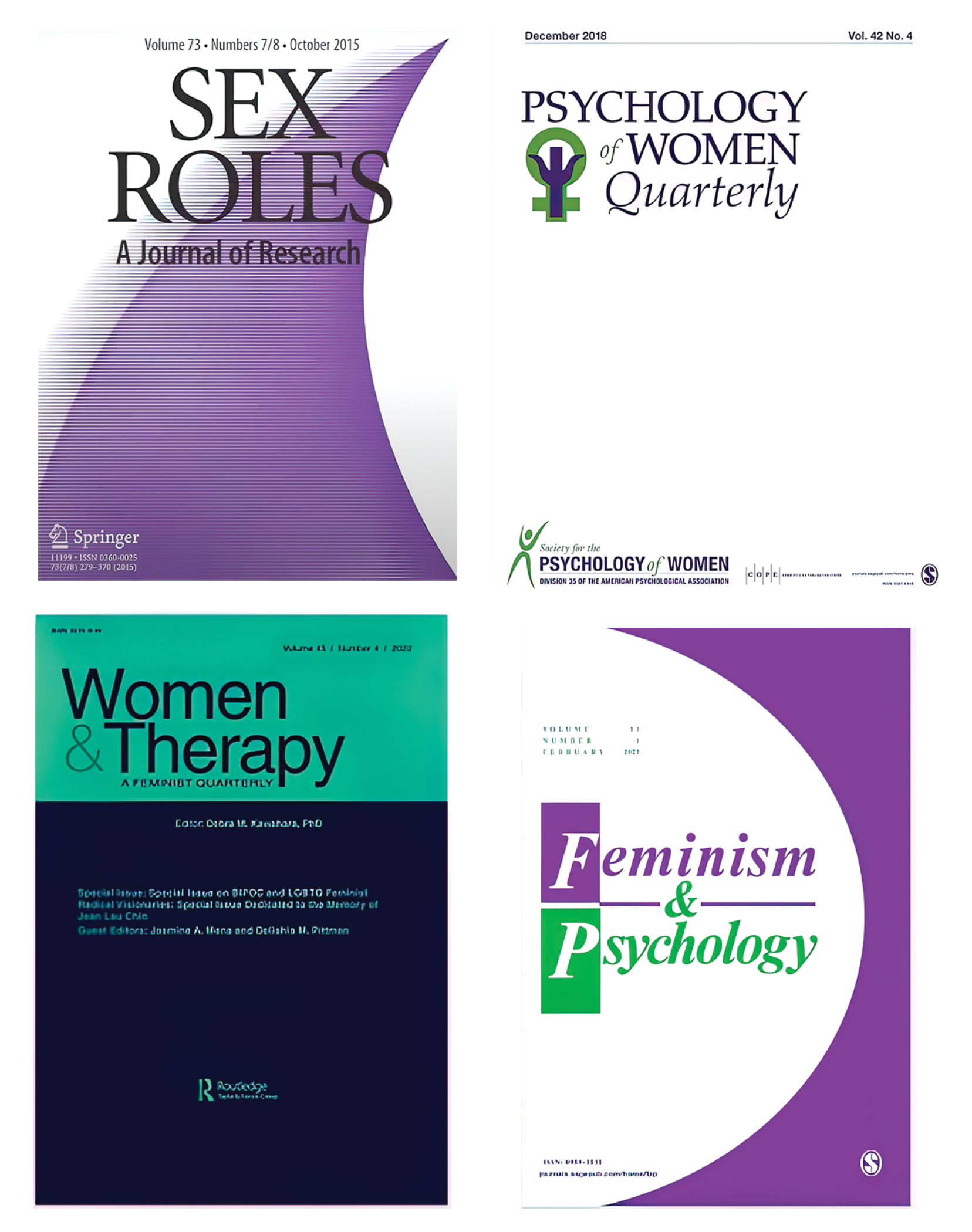
Four thumbnails show the covers of various feminist psychology journals, including Sex Roles: A journal of Research, Psychology of Women Quarterly, Women and Therapy: A Feminist Quarterly, and Feminism and Psychology.
Figure 1.13 Feminist Psychology Journals
The study of psychology of women and gender has been institutionalized through the founding and continued publication of journals such as those pictured here.
With an increased focus on girls and women, feminist psychologists turned their attention to developing college courses and textbooks. This move not only provided academic legitimacy but also helped build feminist consciousness on college campuses (Shields, 2015). With many more psychology students discussing concerns that disproportionately affected girls and women, a renewed commitment to feminism blossomed. Another sign that the psychology of women was flourishing was the development of specialized journals (Figure 1.13), including Sex Roles (1975), Psychology of Women Quarterly (1976), Women & Therapy (1982), and Feminism & Psychology (1991). These journals have helped disseminate research to colleges and universities throughout the world and are critical to the production and sharing of research on sex and gender. Indeed, much of the research reviewed in this book was conducted by feminist psychologists using the scientific method to better understand the experiences of girls and women.
Late 20th Century into the 21st Century
How have feminists challenged the way that knowledge is produced and interpreted?
As feminist psychologists were developing organizations, academic programs, courses, and journals to enhance knowledge and scientific credibility, another competing movement arose in the late 20th century. Probably due to Weisstein’s publication and a broader feminist critique of science that was happening in the early 1980s, feminist psychologists began to critique the scientific method and its philosophical underpinnings. In particular, they questioned the assumption of positivism, the idea that science is progressive and cumulative and that it relies on objectivity, neutrality, and rationality. In other words, feminist psychologists were calling attention to the ways scientists bring their own perspectives into what they study (Keller, 1987). Such biases may be less obvious when the scientists are in powerful and privileged positions; in that case, their truth can simply look like the truth (Fine, 1994). However, according to critics, the positivist claim that scientists have access to a detached and objective truth reflects power and an inherently masculine approach. We’ll explore this in more detail in Chapter 3.
As psychology entered the late 20th century and the start of the 21st century, feminist psychologists broadened their focus. While early feminist psychologists were largely focused on liberal feminism and the idea that women were not inferior to men, modern feminist psychologists have taken a more complex perspective. These feminists have responded to critiques of second-wave feminists made by the third wave and have focused on exploring the impact of privilege and centering the needs and experiences of people who have been historically marginalized. Modern feminist psychologists have also aligned with womanist and postcolonial/transnational feminisms and have studied the unique experiences and needs of women of color and women from a variety of non-Western cultures. Feminist psychologists have also aligned with queer feminists and have questioned the entire notion of the gender binary—the idea that there are fixed and stable categories of man and woman. These more modern feminist psychological perspectives infuse the research covered in this textbook.
This psychology doctoral student talks about her motivations for doing the research she does. Many other feminist researchers also seek to fill gaps in the knowledge that exist, in part, because of who was doing the research.
Video courtesy of Roxanne Felig. Music: “Start” by -skollbeats-
It’s important to note that the role of women in U.S. society has changed drastically in the last 50 years or so. Feminist perspectives and feminist psychologies reflect these changes. In contrast, men’s roles have stayed relatively stable (Levant, 2014), but feminist psychology has also informed the study of men’s experience. For example, organizations such as the Society for the Psychological Study of Men and Masculinity and scholarly journals such as Psychology of Men and Masculinity explore masculinity from a feminist psychological perspective.
Your Turn
Go to the website feministvoices.com. Explore the Women Past section, which features female psychologists who received their PhDs before 1950. Then explore the Feminist Presence section, which features female psychologists who received their PhDs after 1950. Imagine that women from the present could speak to women of the past. What would they say to each other? Watch the video The Changing Face of Feminist Psychology. How do prominent feminist psychologists discuss the changes in the field?
Glossary
- scientific racism
- The use of scientific concepts and data to create and justify a biologically-based racial hierarchy.
- positivism
- The idea that science is progressive and cumulative and that it relies on objectivity, neutrality, and rationality.