2.5 Physical Properties, Functional Groups, and Intermolecular Interactions
Section 2.5 Objectives
You will be able to:
Determine whether compounds of similar size have similar physical properties on the basis of the functional groups they possess.
Explain how charge concentration within a species impacts the strength of the intermolecular interactions in which it can participate.
Now that we have reviewed some of the basic concepts of molecular geometry and polarity, it’s time to explore how these factors affect the physical properties of compounds. We can begin to understand these influences by examining the boiling points, melting points, and water solubilities of some representative compounds, as shown in Table 2-4.
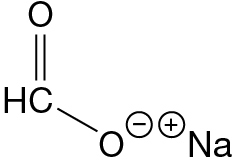
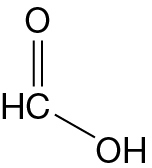
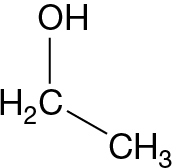
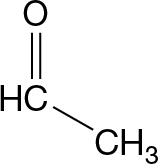
All of the compounds in Table 2-4 are covalent except sodium methanoate (sodium formate, Na+–OCH═O), which is ionic. The covalent compounds are all similar in size, shape, and molar mass, with the exception of ethane, which is roughly 30% lighter. Differences in their physical properties must therefore be due mainly to differences in the functional groups present:
Table 2-4 Physical Properties of Representative Compounds
Compound
Molar Mass (g/mol)
Boiling Point (°C)
Melting Point (°C)
Solubility in Water (g/100 g of H20)
Magnitude of Dipole (D)
Dominant Intermolecular Interaction
Sodium methanoate (Sodium formate)
N/A
>253
253
77
N/A
lon–ion
Methanoic acid (Formic acid)
46
101
8
Infinite
1.4
Hydrogen bonding
Ethanol
46
78
–114
Infinite
1.7
Hydrogen bonding
Ethanal (Acetaldehyde)
44
20
–117
>100
3.0
Dipole–dipole
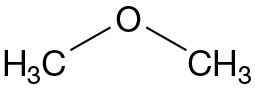
Methoxymethane (Dimethyl ether)
46
–25
–139
6.9
1.3
Dipole–dipole
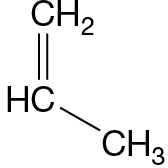
Propene
42
–48
–185
0.00061
0.3
Induced dipole–induced dipole
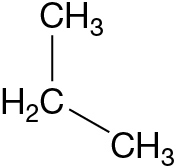
Propane
44
–45
–188
0.00039
0
Induced dipole–induced dipole
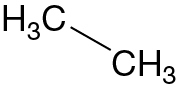
Ethane
30
–89
–183
0.006
0
Induced dipole–induced dipole
The functional groups in a compound can significantly influence its physical properties.
CONNECTIONS 2.7
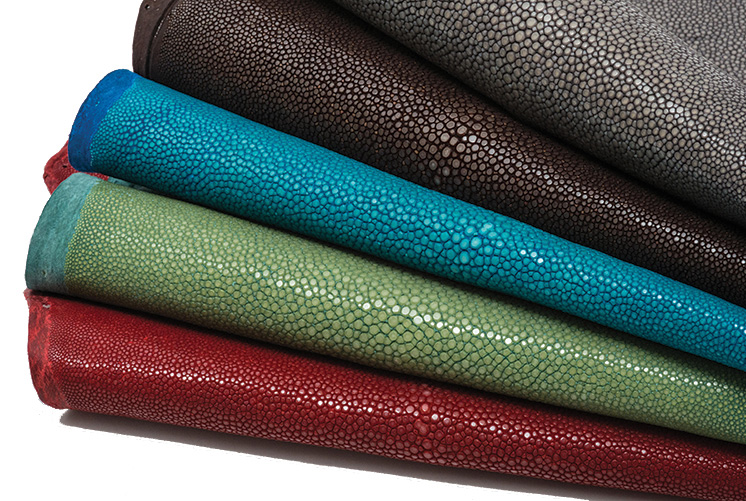
Sodium methanoate and its uses Sodium methanoate (sodium formate, Table 2-4) is used as a dye activator in fabric and leather dyeing processes because it helps promote the fixation of a dye to the material. It has also been used in the food industry as a preservative and flavor enhancer.
More information
A photo shows a pile of folded, dyed leather. The leather colors from bottom to top are red, green, blue, brown, and grey.
YOUR TURN 2.10
Circle the functional group that is present in each covalent compound in Table 2-4 and identify the compound class to which each molecule belongs.
SHOW ANSWERHIDE ANSWER
Methanoic acid has a CO2H group and is a carboxylic acid (and sodium methanoate is a deprotonated form of this carboxylic acid); ethanol has an OH group and is an alcohol; ethanal has a C═O group and is an aldehyde; dimethyl ether has a C─O─C group and is an ether; propene has a C═C group and is an alkene; propane and ethane have no functional groups.
Why do functional groups have such a profound effect on the physical properties of organic compounds? Functional groups can differ in the atoms they possess or in the arrangement of those atoms in space, both of which will impact how charge is distributed within a molecule. Charge distribution will in turn affect intermolecular interactions (also called intermolecular forces), which are the ways in which various species attract (or repel) each other. We will examine the following types of intermolecular interactions:
ion–ion interactions
dipole–dipole interactions
hydrogen bonding
induced dipole–induced dipole interactions (or London dispersion forces)
ion–dipole interactions
CONNECTIONS 2.8
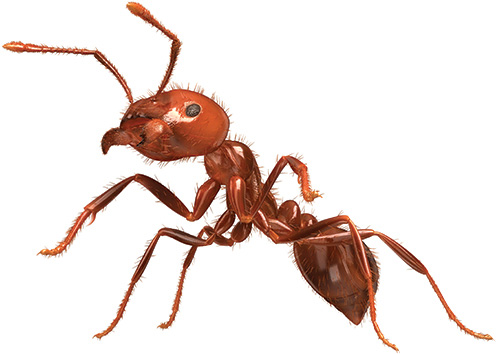
Methanoic acid in nature and its industrial uses Methanoic acid (formic acid, Table 2-4) is found in the venom of ants, and it also has several uses in industry and agriculture. It is used in the production of leather and in dyeing textiles, and it is also used to treat animal feed because of its properties as a preservative and an antibacterial agent.
The first four of these intermolecular interactions are discussed in Sections 2.6a–d in the context of boiling points and melting points. We will examine the fifth and final intermolecular interaction in Section 2.7a in the context of a compound’s solubility in a given solvent.
Although they have different names, intermolecular interactions all originate from the same fundamental law: opposite charges attract. As a result, the strength of each intermolecular interaction depends on the concentrations of charge involved:
All else being equal, the greater the concentrations of charge that are involved in an intermolecular interaction, the stronger is the resulting attraction.