3 EVALUATING RESEARCH AND ASSESSMENT
More information
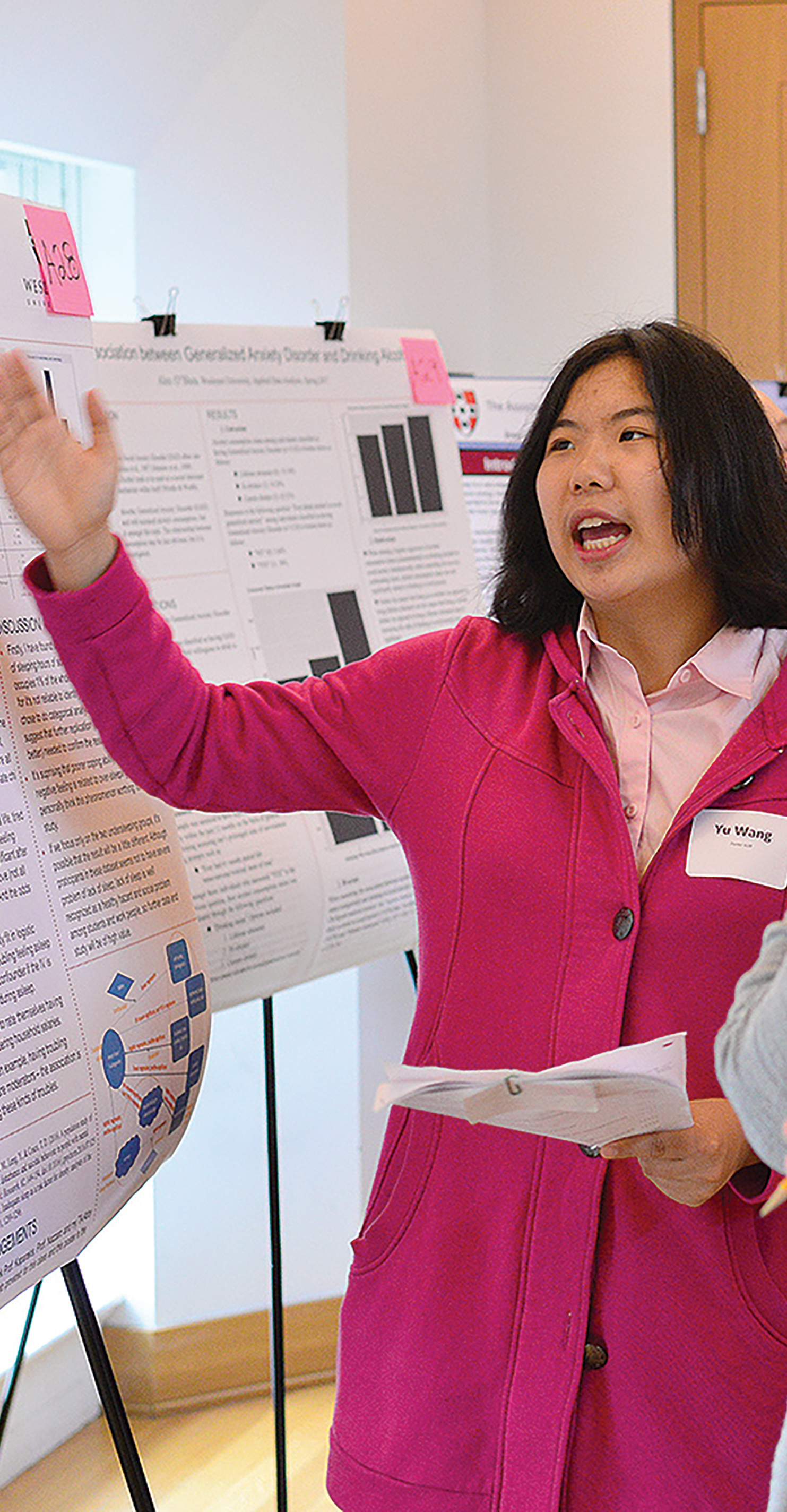
A researcher is shown talking while holding papers in her hand and gesturing at a presentation board.
Knowledge is good.
—EMIL FABER1
PRETTY MUCH EVERYBODY ACKNOWLEDGES that knowledge is good, but what makes it good? This is the question of evaluation and, like Emil Faber’s vacuous epigram, the question is deeper than it looks. The “goodness” or value of research depends on the quality of the data gathered (psychometrics), how the study was conducted (research design), the strength of the findings (effect size), the stability of the results (replication), and the ethics of the study’s procedures and purposes. Research done in a way that harms its participants, fails to fully disclose its methods and findings, or is used for purposes of exploitation or repression is not good research, whatever else might be true about it. The set of principles known as open science is aimed at making research better by all of these criteria.
Endnotes
- Film buffs might recognize Emil Faber as the (fictional) founder of (fictional) Faber College, the site of the classic comedy Animal House.Return to reference 1