2 Patterns in the Sky—Motions of Earth and the Moon
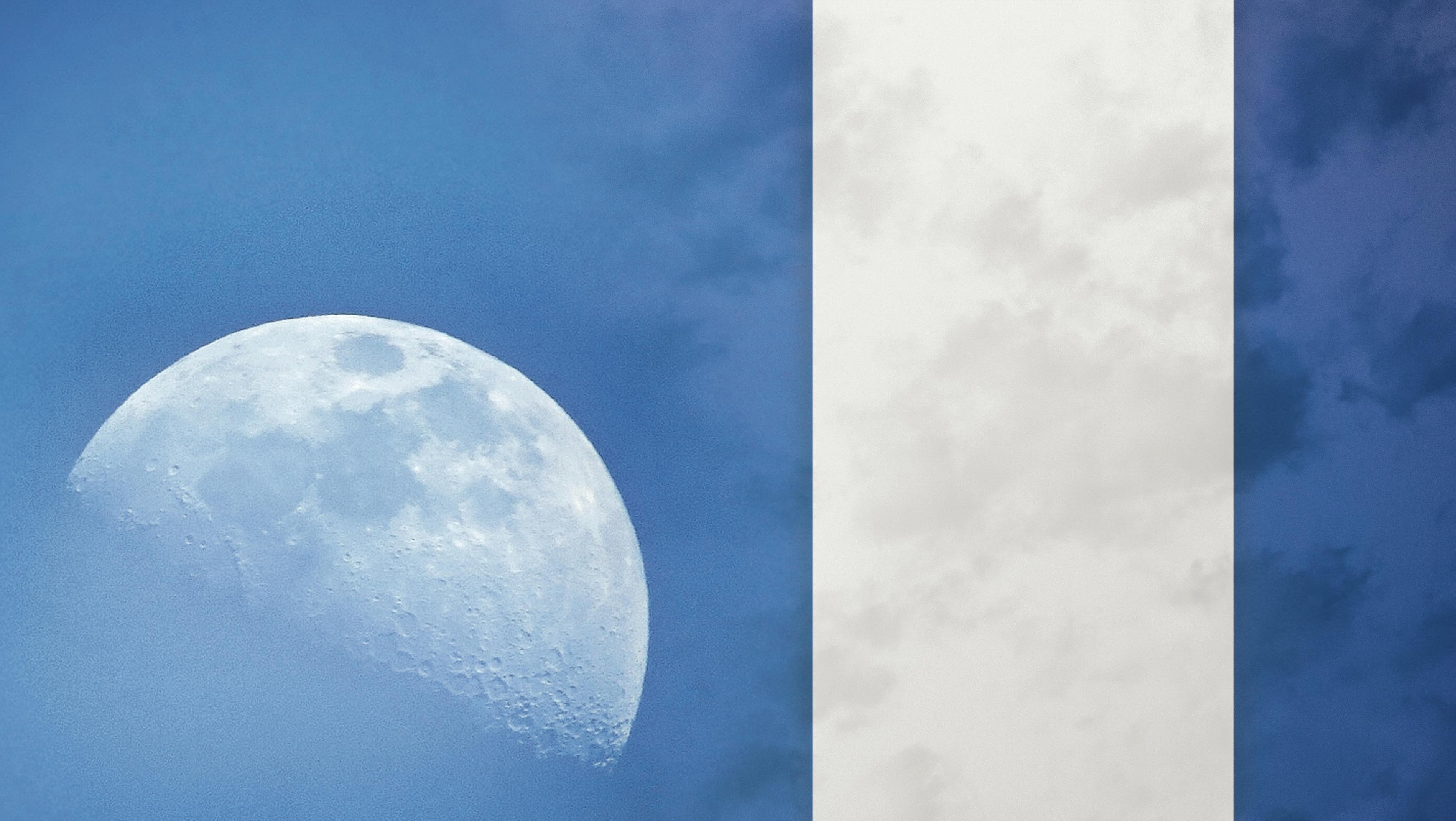
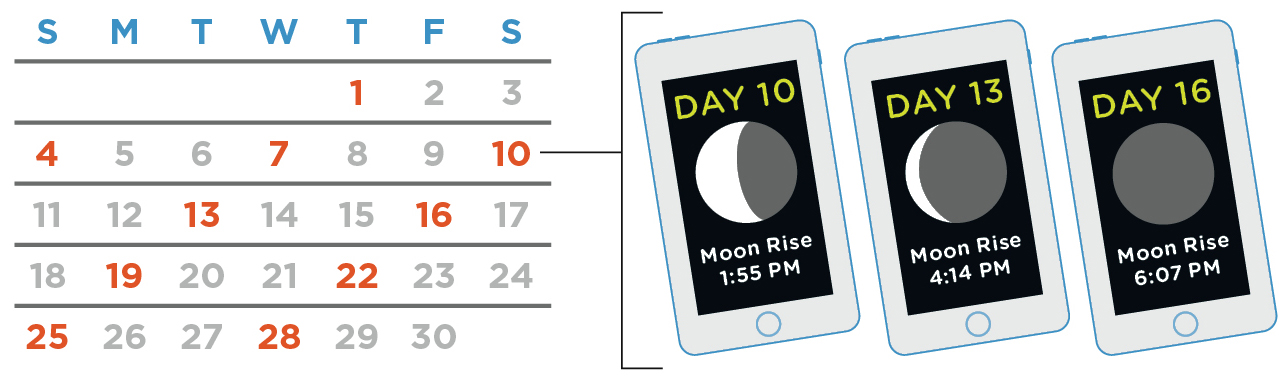
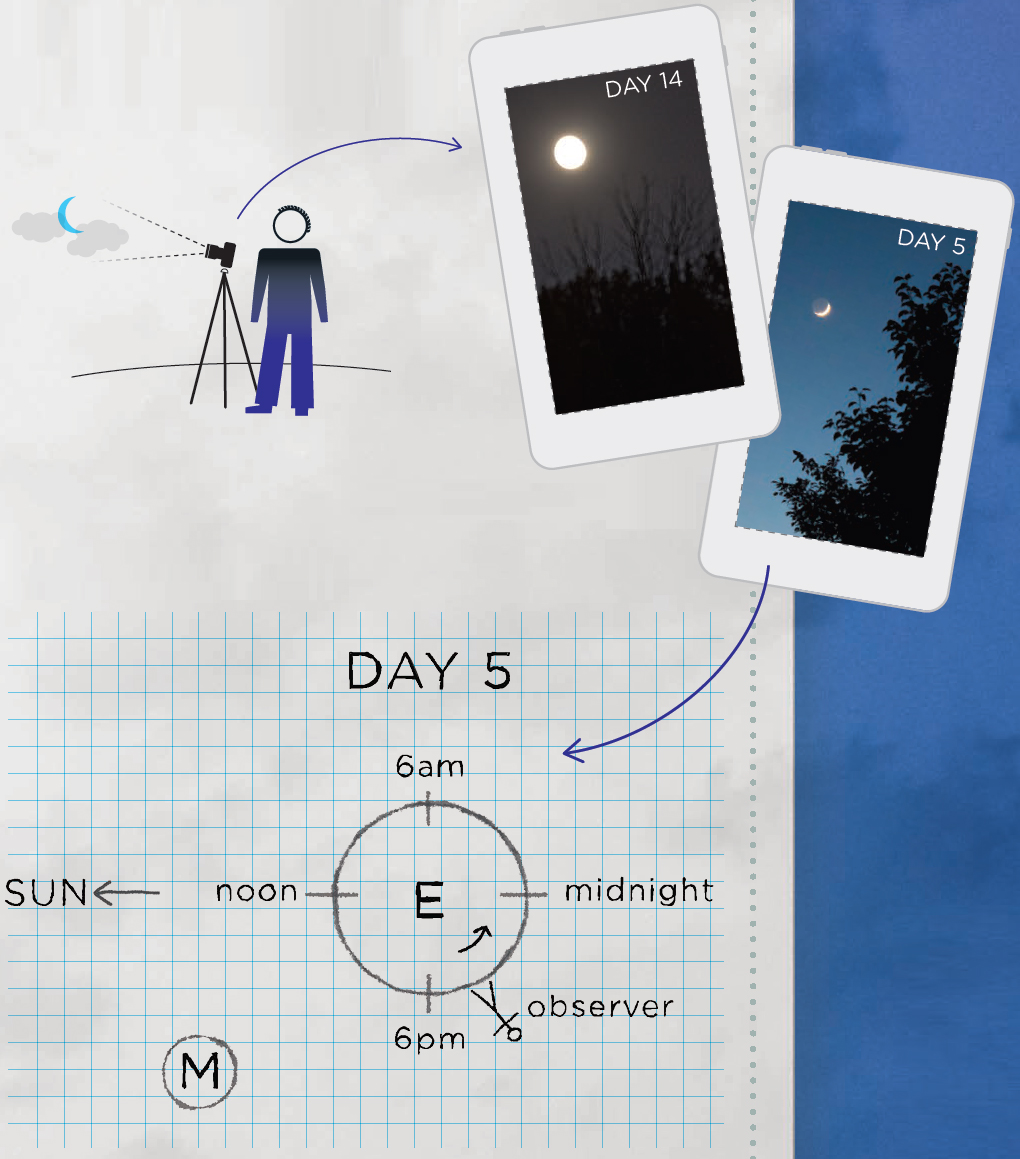
Each month, the Moon changes its appearance in a predictable way. For 1 month, go outside on 10 different dates to the same location and take a picture of the Moon. You will have to think about what time of day to go outside to take these photos. Label each photo with the date and time of the observation. For each photograph, make a sketch of the relative positions of the Sun, Earth, and the Moon when you took the photograph. Think about where you must have been standing on Earth to see that phase of the Moon at that location in your sky, and add a stick figure to your Earth sketch to show where you must have been standing.
EXPERIMENT SETUP
For 1 month, go outside on 10 different dates to the same location, and take a picture of the moon. You will have to think about what time of day to go outside to take these photos.
SKETCH OF RESULTS
Label each photo with the date and time of the observation.
Ancient peoples learned to use the patterns they observed in the sky to predict how the length of day, the seasons, and the appearance of the Moon would change. Some people understood those patterns well enough to create complicated calendars and tables of predictions of rare eclipses. Now, we see those patterns with the perspective of modern science, and we know that those changes are caused by the relative motions of Earth and the Moon. Discovering the causes of those patterns has shown humankind the way outward into the universe.
LEARNING GOALS
Here in Chapter 2, we examine the patterns in the sky and on Earth and the underlying motions that cause them. By the end of this chapter, you should be able to: