2 Research Methodology

Big Questions
IN 2003, A CHINESE PHARMACIST named Hon Lik patented a device that used ultrasonic waves to vaporize liquid containing nicotine (FIGURE 2.1). Few people had heard of e-cigarettes when Hon’s invention hit the U.S. market in 2007. But the use of e-cigarettes increased exponentially in the years since, and by 2019 more than a quarter of U.S. high school students and more than 10 percent of middle school students reported having used them (Cullen et al., 2019). Despite beliefs about their safety, e-cigarettes contain many toxic and cancer-causing substances and are particularly harmful to young people.
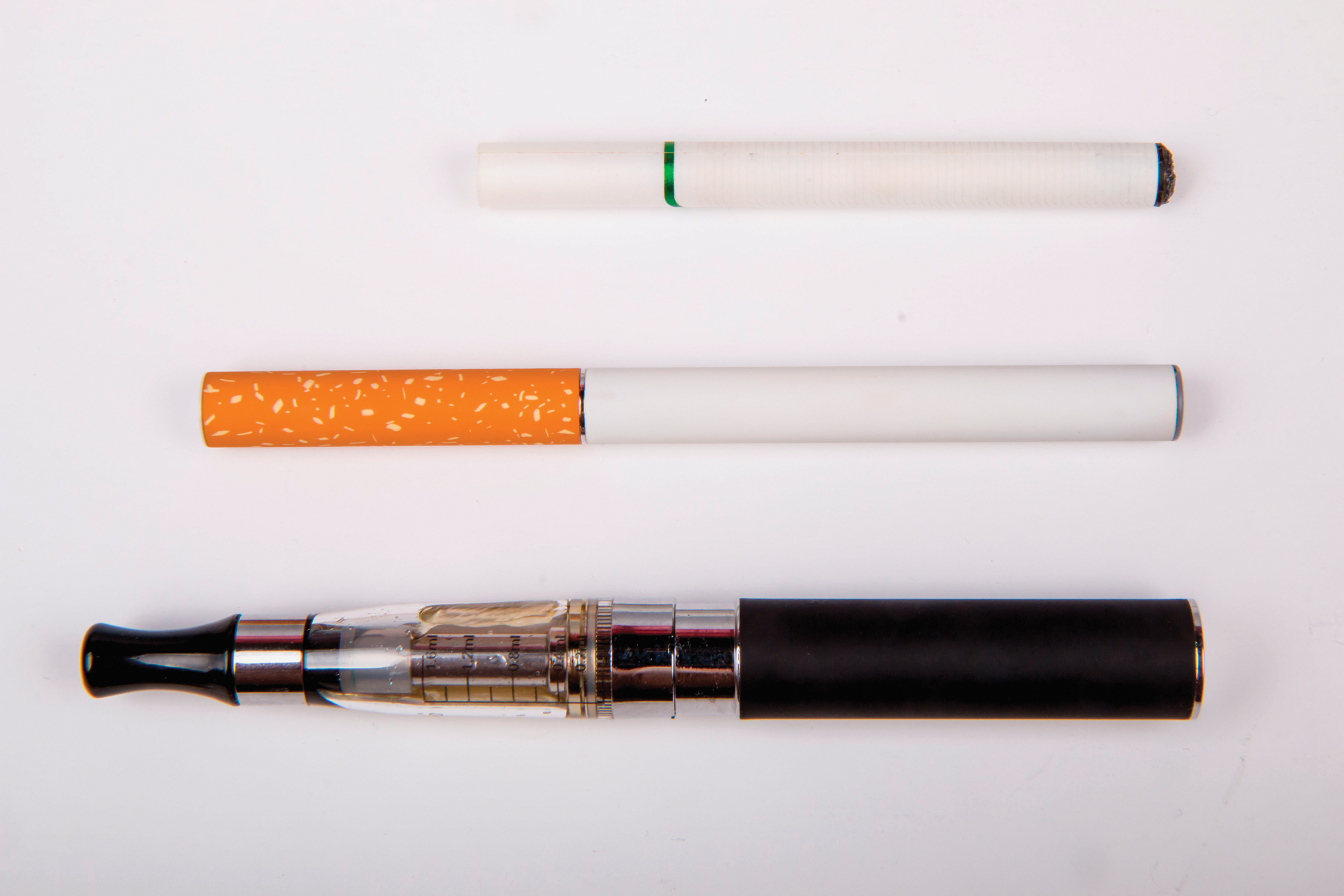
FIGURE 2.1
E-cigarettes
E-cigarettes have been marketed as an alternative to combustible tobacco cigarettes. But they contain many harmful chemicals and remain largely unregulated.
What factors lead people to start using e-cigarettes? What are effective ways to help them stop? Indeed, can scientists be confident in any claim about human psychology and behavior? This chapter will describe how evidence is gathered and verified in psychology. By understanding how psychologists study human behavior and mental processes, you will learn how to interpret information that is being presented to you. And by understanding how to interpret information, you will become an educated consumer and presenter of information.